Table of Contents
Quick Answer
Towing a trailer across the vast highways of the United States is one of the most iconic travel experiences—but it also comes with a hidden challenge: trailer aerodynamic drag reduction.
If you’ve ever noticed your fuel economy drop sharply when towing, or felt your trailer sway in crosswinds, you’ve already experienced the real-world impact of aerodynamic drag. At highway speeds, air resistance becomes the dominant force working against your vehicle, especially when pulling a box-shaped trailer.
In simple terms, trailer aerodynamic drag is the force created as air pushes against your trailer while moving forward. Unlike passenger vehicles designed with sleek curves, most trailers are blunt, tall, and flat-faced—making them far less efficient in cutting through air.
This matters even more in the U.S., where long-distance towing at 65–75 mph is the norm. At these speeds:
Aerodynamic drag can account for a major portion of total energy consumption
Poor aerodynamics can increase fuel use dramatically
Stability and driver fatigue are directly affected
Research and field testing show that effective trailer aerodynamic drag reduction strategies can deliver 6–10% fuel savings, with even greater improvements when multiple solutions are combined.
But this isn’t just about saving fuel. This guide will help you improve:
Fuel efficiency on long hauls
Towing stability in crosswinds and traffic
Overall driving comfort and fatigue reduction
Whether you’re running an overland setup or planning extended trips like those described in this adventure camper trailer guide for off-grid travel, understanding aerodynamics is one of the most overlooked upgrades you can make.
What Is Trailer Aerodynamic Drag?
At its core, trailer aerodynamic drag reduction starts with understanding what creates drag in the first place.
Aerodynamic drag is the resistance force caused by air pushing against a moving object—in this case, your trailer.
Two main factors determine how much drag your trailer produces:
Frontal Area (Size Facing the Wind)
The larger and flatter the front of your trailer, the more air it has to push aside. Travel trailers typically have a large frontal area compared to passenger vehicles, which significantly increases drag.
Drag Coefficient (Shape Efficiency)
This measures how smoothly air flows around your trailer. A streamlined, rounded trailer has a lower drag coefficient, while a flat, boxy trailer creates turbulence and resistance.
Why Trailers Create More Drag Than Cars
Unlike modern vehicles designed with aerodynamics in mind, most trailers:
Have flat vertical fronts
Lack airflow management underneath
Create large wake zones behind them
This combination makes trailers inherently inefficient in airflow, which is why trailer aerodynamic drag reduction is such a critical topic—especially for RV owners.
Why Trailer Aerodynamics Matter in the U.S.
In the United States, towing conditions amplify aerodynamic challenges.
Long-Distance, High-Speed Travel
American road trips often involve:
Interstate highways
Sustained speeds of 65–75 mph
Hundreds or thousands of miles per trip
At these speeds, aerodynamic drag increases exponentially and becomes the primary resistance force.
Real Impact on Performance
Without proper trailer aerodynamic drag reduction, you’ll experience:
Increased fuel consumption
Reduced towing efficiency
Greater sensitivity to crosswinds
Higher driver fatigue over long distances
Data-Backed Benefits
Field studies and industry data show:
Aerodynamic improvements can reduce drag by 5–15%
Devices like fairings and skirts can improve fuel efficiency by 1–10% or more
These gains are especially valuable for travelers embracing mobile lifestyles, such as those discussed in this mobile habitat and off-grid living guide, where efficiency and sustainability go hand in hand.
Main Causes of Trailer Drag
To achieve effective trailer aerodynamic drag reduction, you need to understand where drag actually comes from.
Large Frontal Area
Flat-front trailers act like a wall against the wind. Compared to rounded or tapered designs, they create massive air resistance.
Tractor-Trailer Gap
The space between your tow vehicle and trailer creates turbulent airflow. This turbulence increases drag and reduces efficiency.
Underbody Turbulence
Exposed axles, suspension, and uneven surfaces underneath the trailer disrupt airflow, creating additional resistance.
Rear Wake (Low-Pressure Zone)
As air separates from the back of the trailer, it forms a low-pressure wake that “pulls” the trailer backward—this is one of the biggest contributors to drag.
How to Reduce Trailer Aerodynamic Drag (Step-by-Step)
Now let’s get into the practical side of trailer aerodynamic drag reduction—what actually works.
Step 1: Optimize Trailer Shape
The most effective long-term solution is improving the trailer’s overall shape.
Rounded edges reduce airflow separation
Sloped or angled fronts help air move smoothly
Streamlined designs significantly reduce drag
Advanced aerodynamic designs have demonstrated dramatic improvements in controlled testing, making shape optimization the foundation of any serious drag reduction strategy.
Step 2: Reduce the Tractor-Trailer Gap
Minimizing the gap between your tow vehicle and trailer reduces turbulence.
Install gap fairings
Adjust hitch setup where possible
Maintain consistent spacing
Even small reductions in airflow disruption can lead to measurable efficiency gains.
Step 3: Install Side Skirts
Side skirts are one of the most practical trailer aerodynamic drag reduction upgrades.
They:
Reduce underbody turbulence
Improve airflow along the trailer sides
Can deliver 4–7% fuel savings in real-world conditions
Step 4: Add Rear Devices (Boat Tail)
Rear aerodynamic devices help manage airflow leaving the trailer.
Reduce low-pressure wake
Improve airflow detachment
Increase overall efficiency
These are especially effective at highway speeds.
Step 5: Smooth Underbody Airflow
Cleaning up airflow beneath your trailer can significantly reduce drag.
Cover exposed components
Use panels or shields
Reduce sharp edges and obstructions
This step is often overlooked but plays a major role in total aerodynamic efficiency.
Types of Trailer Aerodynamic Devices
For effective trailer aerodynamic drag reduction, combining multiple devices delivers the best results.
Common Aerodynamic Devices
Side skirts
Boat tails
Gap reducers
Roof fairings
Wheel covers
When used together, these solutions can reduce total aerodynamic drag by up to 20%+, depending on configuration and driving conditions.
Real-World Results & Case Study
The impact of trailer aerodynamic drag reduction isn’t theoretical—it’s proven in real-world use.
Fleet Performance Improvements
Fuel efficiency gains of around 10% after aerodynamic upgrades
Reduced operating costs over long distances
Research-Based Results
Full aerodynamic packages can deliver up to 13% fuel savings
Significant reductions in emissions and environmental impact
Long-Term Benefits
Lower fuel consumption over thousands of miles
Reduced wear on towing systems
Improved travel range for off-grid adventures
Common Mistakes to Avoid
Even when focusing on trailer aerodynamic drag reduction, many users make avoidable mistakes.
Only Installing One Device
Aerodynamics is a system. Single upgrades deliver limited results compared to combined solutions.
Ignoring Highway Conditions
Drag increases dramatically with speed. Testing at low speeds doesn’t reflect real-world performance.
Overlooking Weight vs Benefit
Some upgrades add weight, which can offset efficiency gains if not balanced properly.
Treating Aerodynamics as an Afterthought
Aerodynamics should be part of the overall trailer design—not just an add-on.
Trailer Aerodynamics for RV Owners
For RV users, trailer aerodynamic drag reduction is especially important.
RV vs Commercial Trailer Differences
RVs often prioritize space over aerodynamics
Off-road and adventure trailers introduce additional drag factors
Weight distribution and design vary significantly
Real Impact on RV Travel
Better aerodynamics means:
Lower fuel costs on long trips
More stable towing in crosswinds
Reduced fatigue during multi-day drives
If you’re exploring rugged terrain or planning extended trips like those covered in this off-road camper guide for rugged travel, aerodynamic efficiency becomes even more valuable due to longer distances and limited refueling options.
How Mars Approaches Aerodynamics
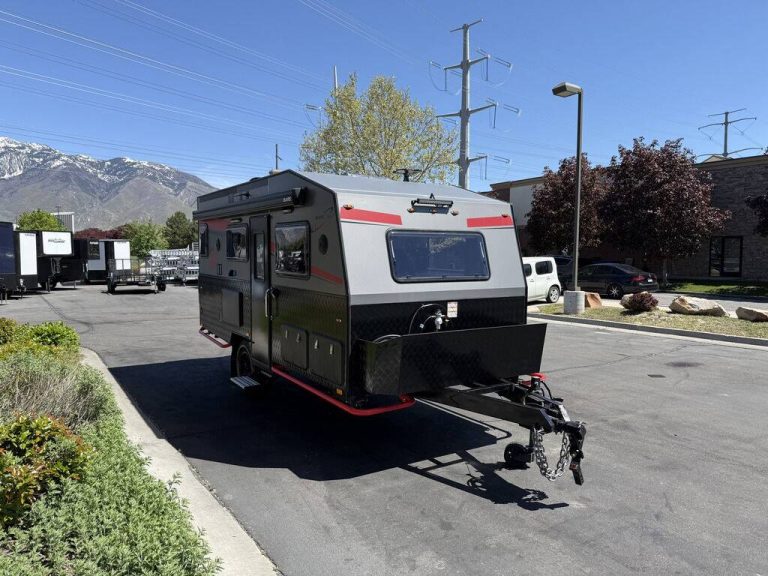
Mars trailers are designed with real-world travel in mind:
Lightweight construction reduces overall resistance
Structural efficiency supports smoother airflow
Built for long-distance and off-grid performance
This approach aligns with broader industry trends toward efficiency, durability, and smarter design—especially as highlighted in evolving U.S. RV trends.
FAQ
How can I reduce trailer aerodynamic drag?
Focus on trailer aerodynamic drag reduction through a combination of:
Streamlined trailer design
Aerodynamic devices (skirts, tails, fairings)
Reducing turbulence zones
Do trailer aerodynamics really improve fuel efficiency?
Yes. Real-world data shows improvements ranging from 1% to over 10%, depending on setup and driving conditions.
What is the most effective aerodynamic upgrade?
No single upgrade is best. The most effective approach is a combined system:
Side skirts
Rear devices
Gap reduction
Does trailer size affect drag?
Absolutely. Larger frontal area increases drag significantly, making trailer aerodynamic drag reduction even more important for bigger trailers.
Final Thoughts
Trailer aerodynamic drag reduction is one of the most impactful yet overlooked ways to improve towing performance in the United States.
By focusing on:
Smarter design
Strategic aerodynamic devices
System-level optimization
You can achieve meaningful improvements in:
Fuel efficiency
Stability
Long-distance comfort
For modern RV travelers, especially those embracing off-grid lifestyles and extended road trips, aerodynamics isn’t just a technical detail—it’s a competitive advantage on every mile of the journey.