Table of Contents
What Does “Camping in High Winds” Mean?
Camping in high winds refers to setting up and staying overnight outdoors when wind speeds are strong enough to affect shelter stability, body heat, sleep quality, and overall campsite safety.
What Wind Speed Is Considered “High Winds” for Camping?
Based on U.S. outdoor safety standards and camping gear performance:
0–10 mph: Generally safe, minimal impact
10–20 mph: Noticeable wind; proper setup required
20–30 mph: High winds for camping; experienced campers only
30+ mph: Dangerous for most tents and shelters
Sustained Wind vs. Gusts
Sustained wind is the average wind speed over time
Gusts are sudden, stronger bursts that cause most tent failures
Many camping incidents occur when campers prepare for sustained wind but underestimate gust strength.
Common High-Wind Camping Environments
Certain landscapes are repeatedly flagged in accident and rescue reports:
Coastal areas (onshore winds, storms)
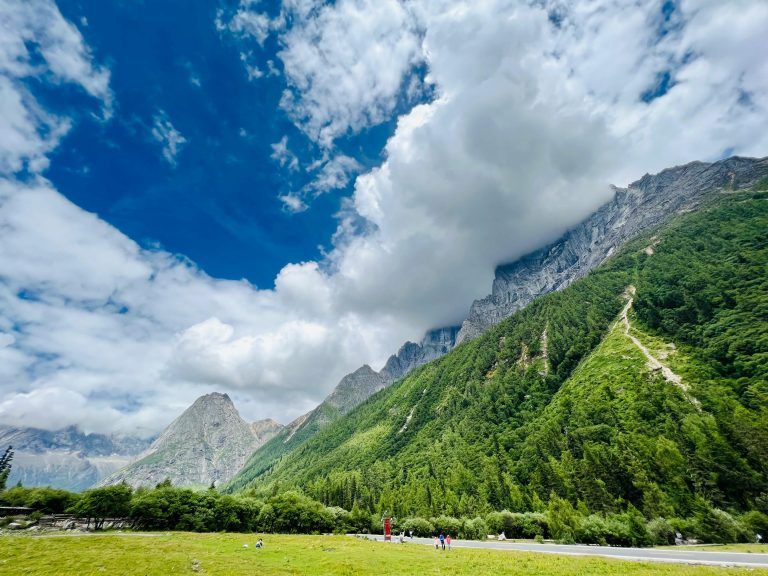
Plateaus & mountain passes (wind acceleration zones)
Deserts & open grasslands (no natural windbreaks)
Major Risks of Camping in High Winds
Understanding the risks is essential for realistic decision-making.
Tent collapse or pole failure due to lateral wind load
Flying debris & unsecured gear damage
Wind chill & sudden temperature drop, even in mild seasons
Sleep disruption & mental stress, reducing reaction time and judgment
According to outdoor safety analyses, poor campsite selection—not gear quality—is the primary cause of high-wind camping incidents.
Is It Safe to Camp in High Winds?
When High Wind Camping Is Acceptable
Camping in high winds can be safe if all of the following apply:
Winds are moderate and sustained, not gust-driven
Campsite has natural windbreaks (terrain, trees, rock faces)
Weather window is short and predictable
You have prior experience with wind-exposed camping
When You Should NOT Camp in High Winds
Avoid camping immediately if conditions include:
Strong gusts combined with storms or pressure fronts
Fully exposed ridgelines or open flats
Dead trees, rockfall zones, or unstable ground
Rule of thumb: If evacuation feels difficult after setup, you should not set up at all.
How to Camp in High Winds Safely
Step 1: Choose the Right Campsite
Set up on the leeward side of hills, ridges, or dunes
Avoid wind tunnels, saddles, and ridgelines
Check ground firmness & drainage—stakes are useless in loose sand
Step 2: Proper Tent & Shelter Setup
Point the lowest, narrowest profile into the wind
Use a low-profile setup; reduce interior height if adjustable
Reinforce with rocks, terrain, or vegetation (without causing damage)
Step 3: Secure Everything
Use all guy lines, even optional ones
Stake at 45-degree angles away from load points
Store gear low and inside shelters
Perform night-time safety checks, especially after wind shifts
High Wind Camping Checklist (Pre-Trip & On-Site)
Pre-Trip High Wind Camping Checklist
Check multiple wind forecast models
Enable wind & storm alerts
Inspect tent poles, seams, stakes, guy lines
Prepare backup campsites & exit routes
On-Site Safety Checklist
Monitor wind direction changes
Re-tension guy lines periodically
Assess structural stability before sleeping
Maintain evacuation readiness
Best Campsite Setup for High Winds
Tent & Shelter Positioning
Windward side: strongest pressure
Leeward side: reduced turbulence
Low-profile shelters outperform tall, vertical walls
Cooking & Living Area Safety
Avoid open flames in gusty conditions
Use wind-shielded stoves only
Never cook inside sealed tents
Sleeping Comfort in Windy Conditions
Tighten fabric to reduce flapping noise
Add wind blocks using packs or ground sheets
Prioritize insulation to counter wind chill
Case Studies & Weather Data Insights
Global Trends Impacting High-Wind Camping
Outdoor travel data shows increasing exposure to extreme wind events in:
North America (plains, deserts, coastal storms)
Western Europe (Atlantic systems)
Australia (open inland regions)
Common Causes of High-Wind Camping Incidents
Poor campsite selection (most frequent factor)
Overconfidence in gear ratings
Ignoring gust forecasts
FAQs About Camping in High Winds
What wind speed is too high for camping?
Most tents become unsafe above sustained 20–25 mph winds, especially with gusts.
Can tents withstand high winds?
Only when properly oriented, fully guyed, and placed in protected terrain.
How do you reduce tent flapping noise in wind?
Increase tension, reduce exposed fabric, and block airflow at ground level.
Is camping in high winds dangerous for beginners?
Yes. Beginners should avoid high-wind conditions entirely.
Should you leave a campsite during strong winds?
If stability decreases or evacuation routes become unsafe, leave early.
Summary & Next Steps
Key Takeaways
Camping in high winds is not always unsafe—but it is never casual
Decision-making matters more than equipment
Campsite choice is the single biggest risk factor
Action Steps
Learn to read wind forecasts accurately
Prioritize protected locations over views
Practice high-wind setup techniques before real exposure