Table of Contents
Above-the-Fold Summary
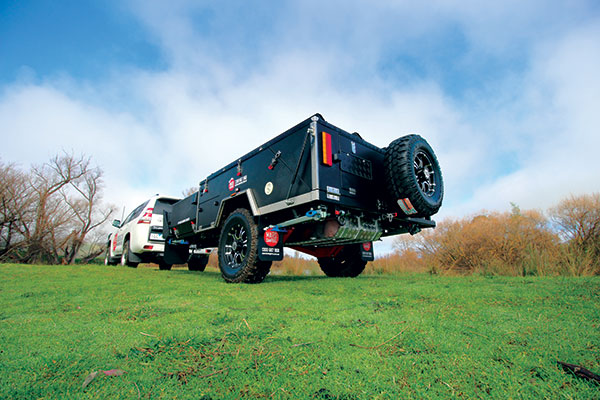
An adventure camper trailer is a towable camping unit built for rugged terrain, long-distance exploration, and off-grid travel. These trailers are engineered with high ground clearance, durable chassis systems, and off-road-capable suspension. This guide covers trailer types, global market trends, setup steps, troubleshooting tips and gear checklists.
1. Introduction — What Is an Adventure Camper Trailer?
1.1 Definition & Core Concept
An adventure camper trailer is a compact or full-size towable unit designed for travelers who want to explore remote terrain, wild landscapes, and off-grid locations. What qualifies a trailer as “adventure-ready” typically includes:
High ground clearance for rocky or uneven surfaces
Reinforced chassis construction for impacts and flexing
Independent suspension to handle ruts, gravel, and corrugations
Water, battery, solar, and insulation systems for extended remote travel
Optimized weight distribution for stability on rough terrain
Adventure Trailer vs Travel Trailer vs Off-Road Trailer vs Overland Trailer
Adventure camper trailer: Balanced for both rough terrain and comfort; suited for long trips.
Travel trailer: Mostly road-focused with limited off-road capability.
Off-road trailer: Highly rugged but may offer minimal living features.
Overland trailer: Gear-centric and built for multi-week expeditions.
Adventure camper trailers sit at the intersection of comfort + rugged capability.
1.2 Global Market Trends
North America (U.S. & Canada)
Overlanding & off-grid travel growing 25–35% annually
Younger travelers shifting from hotels to mobile, nature-based travel
Europe
Narrow roads = rising demand for compact adventure trailers
Strong eco-touring culture driving lightweight and efficient builds
Australia
World leader in rugged-terrain trailers
High demand for outback-ready, dust-sealed, long-range setups
Asia (Japan / Korea / China)
Fast-growing micro-camping & weekend adventure travel segment
Rising interest in compact, lightweight adventure trailers
Across all regions, sustainable low-impact wilderness travel is a major driver of demand.
2. Types of Adventure Camper Trailers
2.1 Lightweight Adventure Camper Trailers
These models prioritize easy towing and compact design, making them ideal for:
Small and mid-size tow vehicles
Beginners and weekend campers
Families wanting safe, simple camping solutions
Benefits include fuel efficiency, simple setup, and reduced maintenance.
2.2 Heavy-Duty Adventure Camper Trailers
These trailers are built for travelers planning challenging off-road routes or multi-week expeditions.
Key advantages:
High-capacity suspension
Reinforced chassis
Larger water storage
More robust electrical systems
2.3 Hybrid Adventure Trailers
Hybrid options combine hard-shell protection with expandable living areas.
They offer:
Larger internal space
Roof or side pop-outs
Balanced mobility + comfort
Suitability for mixed terrains (gravel, sand, desert, forest)
2.4 How to Choose the Right Type
Key factors include:
Terrain type (sand, rock, mud, snow)
Climate & seasonal conditions
Trip duration (weekend vs multi-week)
Water & payload storage needs
Tow vehicle capacity
For more comparison-based RV advice, you can also refer to:
👉 https://www.marsrvs.com/blog
3. Search Intent Breakdown
3.1 How to Choose an Adventure Camper Trailer
Key factors include:
Suspension Types
Torsion
Independent trailing arm
Multi-link systems
Ground Clearance
Higher clearance = safer navigation in ruts, rocks, and riverbeds.
Water & Filtration Systems
Essential for multi-day travel without supply access.
Off-Grid Power
Solar
Dual/tri battery setups
DC-DC charging
Power monitoring systems
3.2 How to Set Up an Adventure Camper Trailer
Setup steps include:
Leveling on uneven terrain
Deploying stabilizers and wheel chocks
Securing awnings and roof systems
Activating off-grid power components
3.3 Troubleshooting Common Issues
Common adventure trailer problems include:
Suspension fatigue
Tire wear
Dust seal failures
Battery drainage due to incorrect power management
Weight imbalance
3.4 Safety Tips
Maintain slow approach angles on slopes
Assess water depth during river crossings
Follow weather alerts for storms or flooding
Ensure safe towing speeds on gravel and corrugation
4. Step-by-Step Guide — How to Use an Adventure Camper Trailer
Step 1 — Pre-Trip Route Research
Check maps, offline navigation, and terrain type.
Step 2 — Verify Tow Weight & Tire Pressure
Match trailer weight to tow vehicle capability.
Step 3 — Analyze Terrain Conditions
Different terrain requires different tire pressures and driving strategies.
Step 4 — Select a Safe Campsite
Avoid flood zones, soft sand, and unstable slopes.
Step 5 — Stabilize on Uneven Ground
Use leveling blocks and wheel chocks to secure the trailer.
Step 6 — Daily Safety Checklist
Essential checks include:
Hitch integrity
Suspension condition
Water levels
Battery status
5. Essential Gear Checklist
5.1 Off-Grid Power & Energy
Solar modules
Dual-battery system
Smart power monitoring
5.2 Recovery Equipment
Traction boards
Snatch straps
Shovel + off-road jack
5.3 Water & Filtration
Multi-stage filters
Water storage bladders or tanks
5.4 Communication & Navigation
Satellite messenger
Offline maps
5.5 Survival Essentials
First-aid kit
All-weather clothing
Emergency shelter
6. Global Statistics & Travel Trends
6.1 United States
Off-grid camping is one of the fastest-growing outdoor categories
Young travelers are shifting to mobile adventure lifestyles
6.2 Europe
High demand for compact, eco-friendly travel solutions
6.3 Australia
Highest adoption of rugged terrain trailers globally
6.4 Asia
Weekend touring and micro-camping rapidly increasing
7. Common Mistakes New Users Make
Overpacking
Incorrect hitching
Bad weight distribution
Ignoring weather
Tire mismanagement
Driving too fast on rough terrain
8. Expert Tips for Improved Adventure Trailer Camping
Practice reversing before long trips
Adjust tire pressure based on terrain
Frequently inspect bolts & joints
Pack weight low and centered
Build redundancy in water and power supply
For deeper camping tutorials, visit:
👉 https://www.marsrvs.com/blog
9. FAQ
Q1: Are adventure camper trailers beginner-friendly?
Yes — especially lightweight models designed for simple setup.
Q2: Can they travel on highways?
Absolutely. They are fully highway-legal as long as weight and towing guidelines are followed.
Q3: What ground clearance is ideal?
Most rough-terrain travelers prefer at least 14–18 inches, depending on the terrain.
Q4: What terrain is unsafe for trailers?
Deep mud, fast river currents, loose shale slopes, and extreme side slopes.
Q5: Do adventure trailers require special insurance?
Some regions require additional coverage for off-road use or international travel.
10. Conclusion — Why Adventure Camper Trailers Matter
Adventure camper trailers empower travelers to explore remote landscapes, experience off-grid living, and enjoy flexible outdoor lifestyles. With rising global demand, improved technology, and increased focus on sustainable travel, adventure trailers continue to grow as a key part of modern outdoor culture.