Table of Contents
What Is Remote Outdoor Travel?
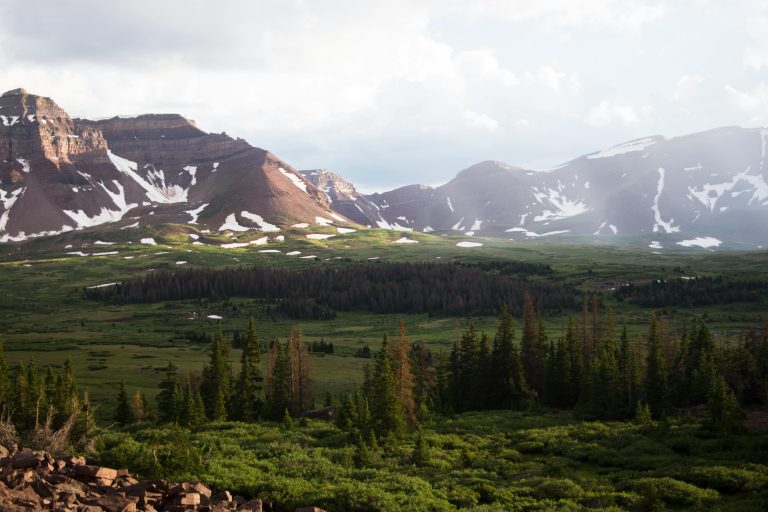
Remote outdoor travel refers to exploring natural environments located far from urban infrastructure, major tourist routes, or easily accessible facilities. These locations often require careful planning, self-sufficient equipment, and strong navigation skills.
Unlike traditional tourism, remote travel focuses on self-reliance, wilderness immersion, and low-impact exploration.
Difference Between Remote Travel and Traditional Outdoor Tourism
| Feature | Remote Outdoor Travel | Traditional Outdoor Tourism |
|---|---|---|
| Location | Remote wilderness areas | Popular parks and developed sites |
| Infrastructure | Limited or none | Campgrounds and visitor centers |
| Preparation | High planning and gear requirements | Minimal planning |
| Experience | Solitude and exploration | Social and recreational |
Typical environments for remote outdoor travel include:
-
Wilderness regions far from major roads
-
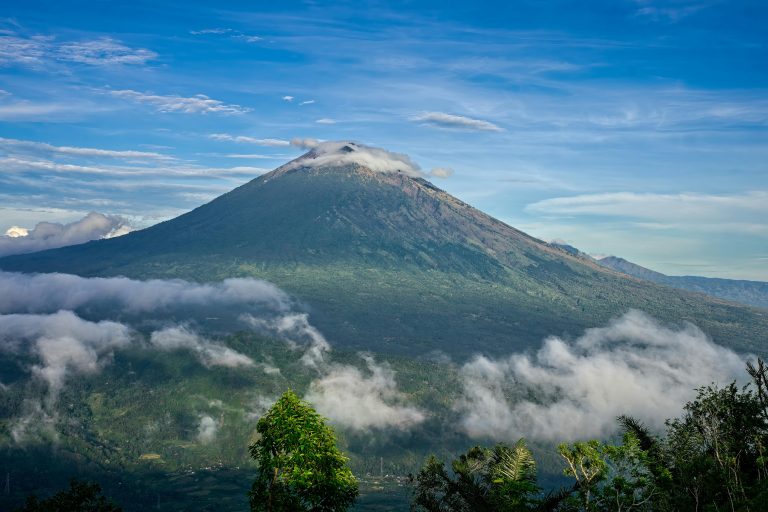
Mountain backcountry and alpine environments
-
Remote deserts with limited water access
-
Isolated islands with fragile ecosystems
These landscapes offer some of the most authentic outdoor experiences but require proper knowledge and preparation.
Why Remote Outdoor Travel Is Growing Globally
Interest in remote travel has increased dramatically in recent years. According to outdoor recreation reports and travel trend data, more people are seeking nature-focused and low-crowd experiences.
Several global trends contribute to this growth.
Growing Demand for Nature-Based Tourism
Many travelers now prefer outdoor environments over crowded urban destinations. National parks, wilderness areas, and backcountry routes are seeing increased visitation.
Search trends show rising interest in terms like:
-
backcountry camping
-
wilderness exploration
-
off-grid travel experiences
These searches indicate a growing desire to reconnect with nature.
Digital Detox Travel
Modern travelers spend large portions of their lives connected to screens and digital platforms. Remote outdoor travel provides a rare opportunity to disconnect from technology and reconnect with nature.
Many people now intentionally search for destinations with limited internet access or minimal infrastructure to experience complete mental and physical reset.
Sustainable Travel Movement
Environmental awareness has also influenced travel preferences. Remote outdoor travel encourages:
-
minimal environmental impact
-
wildlife protection
-
appreciation of natural ecosystems
Travelers increasingly look for ways to explore responsibly while preserving fragile environments.
How to Plan a Remote Outdoor Travel Trip (Step-by-Step)
Planning is one of the most important elements of successful remote outdoor travel. Because remote areas have limited services, preparation reduces risks and improves overall safety.
Step 1: Research Remote Outdoor Travel Destinations
Start by identifying landscapes that match your experience level and interests. Research:
-
terrain difficulty
-
climate conditions
-
wildlife activity
-
seasonal accessibility
Travelers often search for remote outdoor travel destinations that combine scenic beauty with manageable access routes.
Step 2: Understand Terrain and Climate Conditions
Remote environments can vary dramatically in weather and terrain. Mountain regions may experience sudden temperature changes, while desert areas may present water scarcity challenges.
Understanding these conditions helps you prepare appropriate clothing, equipment, and navigation strategies.
Step 3: Plan Access Routes and Exit Points
Before traveling into remote areas, always plan:
-
entry routes
-
alternative exit paths
-
emergency evacuation options
Maps and GPS systems should always be cross-checked with physical maps in case electronic devices fail.
Step 4: Prepare Emergency Communication Methods
Remote locations often lack cellular coverage. Emergency communication tools may include:
-
satellite communication devices
-
emergency locator beacons
-
two-way radios
These tools provide essential contact options in case of accidents or unexpected situations.
Step 5: Share Your Travel Itinerary
Always inform a trusted person about:
-
your travel route
-
expected return date
-
emergency contact methods
This simple step greatly increases safety when traveling in isolated environments.
Step 6: Check Local Regulations and Environmental Rules
Some remote areas require permits or have conservation guidelines. Always research regulations before traveling to ensure responsible exploration.
Remote Outdoor Travel Gear Checklist
Proper equipment is essential for safe and comfortable remote outdoor travel. The following categories cover the most important gear types.
Navigation Equipment
Navigation tools ensure you stay oriented in unfamiliar environments.
-
map
-
compass
-
GPS navigation device
Many experienced travelers carry multiple navigation systems for redundancy.
Safety Equipment
Safety gear helps manage emergencies and unexpected conditions.
-
emergency beacon
-
first aid kit
-
survival tools
These items are critical for remote environments where rescue services may take longer to arrive.
Shelter Systems
Reliable shelter protects travelers from weather exposure.
-
lightweight tent
-
sleeping system
-
ground insulation
The shelter system should match the climate and terrain of the destination.
Food and Water Supplies
Remote travel requires careful resource planning.
-
portable water purification systems
-
high-energy food supplies
-
lightweight cooking equipment
Water availability is one of the most important considerations in remote travel.
Clothing Layers
Weather can change rapidly in many remote environments. Essential clothing includes:
-
waterproof outer layers
-
insulating mid-layers
-
breathable base layers
Layered clothing systems allow travelers to adapt quickly to temperature changes.
Remote Outdoor Travel Safety Tips
Safety preparation is essential when exploring remote areas. Following these strategies can significantly reduce risks.
Always Carry Navigation Backups
Electronic navigation devices are useful but should never be the only method of orientation. Carry physical maps and compasses as reliable backups.
Monitor Weather Conditions
Remote areas often experience unpredictable weather patterns. Checking weather forecasts and observing environmental changes can prevent dangerous situations.
Avoid Traveling Alone in Extreme Areas
Solo travel can be rewarding but increases risk in hazardous environments. For challenging terrains, traveling with partners improves safety and decision-making.
Maintain Wildlife Awareness
Many remote regions contain wildlife habitats. Understanding animal behavior and storing food properly helps prevent dangerous encounters.
Prepare for Limited Communication
Travelers should always assume that communication may be unavailable in remote locations and plan accordingly.
Examples of Remote Outdoor Travel Destinations
Remote outdoor travel can take place in many types of environments around the world.
Mountain Wilderness
High-altitude landscapes offer dramatic scenery and challenging terrain. Alpine regions often require strong navigation and weather awareness.
Desert Landscapes
Remote deserts provide unique ecosystems and expansive views. However, extreme temperatures and water scarcity require careful preparation.
Polar Environments
Arctic and Antarctic regions represent some of the most extreme remote travel destinations. These areas demand specialized knowledge and equipment.
Island Ecosystems
Some isolated islands provide remarkable biodiversity and untouched landscapes. Responsible travel practices are essential to protect fragile environments.
Environmental Responsibility in Remote Outdoor Travel
Protecting natural environments is a core principle of remote travel.
The Leave No Trace philosophy encourages travelers to minimize their impact by:
-
packing out all waste
-
respecting wildlife habitats
-
avoiding ecosystem disturbance
-
staying on established trails when possible
Responsible travel ensures that remote landscapes remain preserved for future explorers.
Common Challenges of Remote Outdoor Travel
Remote environments present unique challenges that require preparation and adaptability.
Navigation Errors
Remote terrain may lack clear trails or landmarks. Accurate navigation tools and skills are essential.
Weather Unpredictability
Storms, temperature changes, and strong winds can occur suddenly in wilderness environments.
Physical Endurance
Remote travel often requires long distances and physically demanding terrain.
Limited Supplies
Travelers must carefully manage food, water, and energy resources throughout the journey.
Understanding these challenges helps travelers prepare effective strategies and avoid common mistakes.
FAQ
Is remote outdoor travel safe for beginners?
Yes, beginners can enjoy remote outdoor travel if they start with moderate environments and prepare properly with navigation skills, safety equipment, and trip planning.
What equipment is essential for remote outdoor travel?
Essential equipment includes navigation tools, emergency communication devices, shelter systems, water purification equipment, and weather-appropriate clothing.
How do travelers communicate in remote areas?
Travelers often rely on satellite communication devices, emergency locator beacons, or specialized radios when traditional mobile networks are unavailable.
What is the best season for remote outdoor travel?
The best season depends on the destination. Mountain regions are often safest in summer, while desert environments may be more comfortable during cooler seasons.
How do you prepare for emergencies during remote travel?
Emergency preparation includes carrying first aid equipment, emergency communication devices, navigation backups, and sharing travel plans with trusted contacts.
Conclusion
Remote outdoor travel offers one of the most rewarding ways to explore the natural world. From mountain wilderness to remote deserts and isolated islands, these environments provide solitude, adventure, and a deeper connection with nature.
However, the freedom of remote exploration comes with responsibility. Proper planning, safety awareness, and environmental respect are essential for successful journeys.
As interest in wilderness exploration continues to grow across the United States and globally, travelers who prepare carefully can experience the incredible rewards of remote outdoor travel while protecting the landscapes that make these adventures possible.