Table of Contents
Quick Answer
The utility trailer conversion trend has exploded in recent years, driven by the growing DIY culture and the increasing desire for mobile, flexible living and working solutions. Whether you’re seeking a compact camping setup, a mobile workshop, or a specialized transport solution, converting a standard utility trailer offers endless possibilities for customization and functionality.
What Is a Utility Trailer Conversion
A utility trailer conversion transforms a basic cargo trailer into a specialized mobile unit designed for specific purposes. Unlike standard trailers that simply haul cargo, converted trailers feature custom-built interiors, electrical systems, and specialized equipment tailored to their intended use.
The fundamental difference between a standard trailer and a converted one lies in functionality and design. While standard trailers focus solely on cargo capacity, converted trailers incorporate living spaces, workstations, or specialized storage systems that make them true mobile extensions of your home or business.
Typical Uses for Utility Trailer Conversions
The versatility of utility trailer conversions has led to numerous creative applications. Tiny camper or micro RV conversions have become increasingly popular among outdoor enthusiasts seeking affordable camping solutions. These compact units often feature sleeping quarters, basic cooking facilities, and essential storage while maintaining easy towability.
Mobile kitchen or food prep trailers serve both recreational and commercial purposes, offering fully equipped cooking spaces for tailgating, catering events, or extended camping trips. Cargo hauling or workshop trailers provide secure, organized storage for tools and equipment while doubling as mobile workspaces for contractors and craftspeople.
Specialty trailers for hobbies or outdoor adventures continue to gain traction, with conversions designed specifically for mountain biking, kayaking, photography, or hunting expeditions. These purpose-built trailers optimize space and organization for specific gear and activities.
Global Market Trends Driving Conversions
The utility trailer conversion movement reflects several significant cultural and economic trends. The growing DIY and vanlife movement has inspired countless individuals to create custom mobile solutions rather than purchasing expensive RVs or specialized equipment trailers.
Increased interest in mobile workspaces, accelerated by remote work trends, has led to innovative trailer office conversions that provide professional environments anywhere. The rise in outdoor recreation and camping travel has created demand for affordable, customizable camping solutions that traditional RVs cannot match in terms of cost and personalization.
DIY Utility Trailer Conversion Guide
Planning Your Conversion
Successful utility trailer conversions begin with thorough planning. Determining the appropriate trailer type and size requires careful consideration of your intended use, towing capacity, and storage requirements. Standard utility trailers range from 4×8 feet for compact conversions to 8.5×20 feet for extensive builds.
Defining your intended use helps establish priorities for space allocation, power requirements, and structural modifications. Whether creating a weekend camping trailer or a full-time mobile office significantly impacts design decisions and budget considerations.
Budgeting and timeline planning prevent costly mistakes and ensure project completion. Most DIY utility trailer conversions range from $2,000 to $15,000 depending on complexity, materials, and systems integration. Realistic timelines typically span 2-6 months for weekend builders.
Safety and Regulations
Understanding trailer weight limits is crucial for both safety and legal compliance. Gross Vehicle Weight Rating (GVWR) determines maximum loaded weight, while tongue weight affects towing stability. Most standard utility trailers support 2,000-7,000 pounds depending on axle configuration and frame construction.
Road and highway safety regulations vary by state but generally require proper lighting, braking systems, and safety chains. Some conversions may require additional permits or inspections, particularly those incorporating propane systems or significant structural modifications.
Local vehicle conversion rules can impact registration, insurance, and usage rights. Researching applicable regulations before beginning construction prevents costly modifications or legal complications.
Utility Trailer Conversion Ideas
Popular Conversion Types
Tiny camping trailers represent the most common utility trailer conversion, offering complete camping functionality in compact packages. These conversions typically feature fold-out beds, basic kitchenettes, and clever storage solutions that maximize limited space.
Mobile office and workshop conversions have gained popularity among remote workers and skilled tradespeople. These builds prioritize organization, power systems, and comfortable work environments while maintaining mobility and security.
Outdoor kitchen or BBQ trailers cater to entertainment enthusiasts and small-scale catering operations. These conversions feature cooking equipment, prep surfaces, storage for utensils and supplies, and often include serving areas or fold-out bars.
Bike or snowmobile transport trailers combine secure transportation with related gear storage and maintenance capabilities. These specialized conversions often include integrated ramps, tie-down systems, and space for tools and spare parts.
Creative Enhancements
Solar panels have become standard upgrades for most utility trailer conversions, providing off-grid power for lighting, electronics, and small appliances. Modern solar systems offer sufficient capacity for extended off-grid use while remaining cost-effective and reliable.
Foldable furniture maximizes space efficiency in compact conversions. Tables, beds, and seating that fold against walls or convert between functions allow small trailers to serve multiple purposes effectively.
Roof racks and external storage solutions expand capacity without compromising interior space. These additions prove particularly valuable for outdoor recreation trailers that must transport bulky equipment like kayaks, bikes, or camping gear.
Weatherproofing and insulation ensure year-round usability and comfort. Proper sealing prevents moisture intrusion while insulation maintains comfortable temperatures and reduces condensation issues.
Step-by-Step Conversion Process
Step 1: Prepare the Trailer
Every successful utility trailer conversion begins with thorough preparation. Cleaning and inspecting the frame reveals potential issues that must be addressed before construction begins. Look for rust, structural damage, or wear that could compromise safety or longevity.
Reinforcing the structure may be necessary depending on your planned modifications. Adding cross-members, strengthening mounting points, or upgrading the frame ensures adequate support for additional weight and stress from conversion components.
Step 2: Build Base Structure
Flooring installation creates the foundation for your entire conversion. Marine-grade plywood or aluminum decking provides durability and moisture resistance. Proper subflooring also allows routing of electrical cables and plumbing lines before finishing floor installation.
Wall construction typically uses aluminum or steel framing with various covering materials. Consider weight, insulation requirements, and attachment methods when selecting wall construction techniques and materials.
Step 3: Install Systems
Electrical wiring and lighting systems require careful planning and execution. Most conversions incorporate 12V DC systems compatible with automotive charging and battery storage. Include adequate outlets, lighting circuits, and provisions for appliances or electronics.
Water and plumbing systems add significant functionality to camping conversions but require careful design to prevent freezing and leaks. Gravity-fed systems offer simplicity while pressurized systems provide more familiar operation.
Storage cabinets and workstations maximize utility while maintaining organization. Custom-built solutions optimize space usage better than off-the-shelf alternatives while providing exact functionality requirements.
Step 4: Interior and Exterior Finishing
Paint and weatherproofing protect your investment while providing attractive appearance. Use marine or automotive-grade paints and sealers designed for mobile applications and weather exposure.
Furniture and fixtures should be securely mounted and designed for mobile use. Consider safety during transport, ease of use, and durability when selecting or building interior components.
Safety checks and final inspection ensure roadworthiness and operational safety. Verify all electrical connections, test lighting systems, check structural integrity, and ensure proper weight distribution before first use.
Utility Trailer Conversion for Camping
Essential Features
Sleeping areas in camping conversions must balance comfort with space efficiency. Options include fixed beds, convertible dinettes, or fold-out designs that utilize wall space when not in use. Consider mattress thickness, ventilation, and privacy when designing sleeping quarters.
Kitchenettes with adequate storage provide meal preparation capabilities without excessive weight or complexity. Include provisions for cooking, food storage, water supply, and waste management appropriate for your camping style and duration.
Ventilation and insulation ensure comfort across various weather conditions while preventing condensation problems. Roof vents, windows, and fans maintain air circulation while proper insulation moderates temperature extremes.
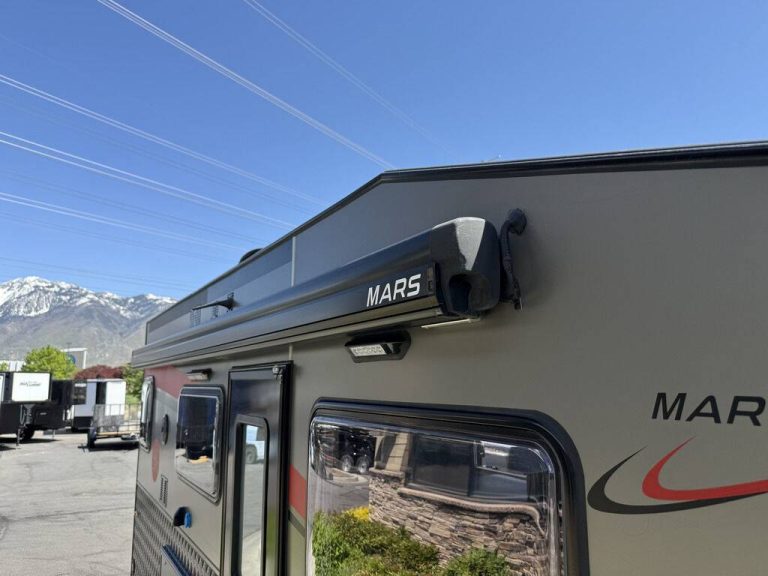
Outdoor awnings or canopies extend usable space beyond the trailer’s physical constraints. These additions provide weather protection, additional seating areas, and expanded cooking or storage space during camping.
Common Mistakes and Safety Tips
Mistakes to Avoid
Ignoring weight limits leads to dangerous towing conditions and potential equipment failure. Always account for conversion materials, stored items, and passenger weight when calculating total trailer weight.
Poor ventilation and insulation create uncomfortable conditions and potential safety hazards. Inadequate ventilation promotes condensation and mold growth while insufficient insulation wastes energy and reduces comfort.
Insufficient structural support for conversion components can result in failure during transport or use. Properly distribute loads and reinforce mounting points to prevent damage or safety hazards.
Skipping electrical safety protocols risks fire, electrocution, or equipment damage. Use proper gauges, fuses, and connections while following established electrical codes and best practices.
Safety Tips
Always wear appropriate protective gear during construction including safety glasses, work gloves, and respiratory protection when cutting or welding materials.
Follow established wiring and welding codes to ensure safe, reliable systems. When in doubt, consult professionals or seek training before attempting complex installations.
Test trailer stability and roadworthiness before extended use. Verify proper weight distribution, adequate braking, and secure attachment of all conversion components.
FAQ
1. What is a utility trailer conversion?
A utility trailer conversion is the process of transforming a standard cargo trailer into a customized mobile unit for specific purposes, such as a tiny camper, mobile office, outdoor kitchen, or specialized transport.
2. What types of utility trailer conversions are most popular?
Popular conversions include tiny camping trailers, mobile offices or workshops, outdoor kitchen trailers, and specialty trailers for bikes, snowmobiles, or other recreational equipment.
3. Can I do a utility trailer conversion myself?
Yes, many DIY enthusiasts convert trailers themselves. Successful conversions require careful planning, proper tools, knowledge of electrical and plumbing systems, and adherence to safety and regulatory requirements.
4. What tools and materials are needed for a trailer conversion?
Common tools include saws, drills, welding equipment, and fasteners. Materials typically include plywood or aluminum for flooring, insulation, wiring and lighting components, storage cabinets, and weatherproofing materials.
5. What safety precautions should I take during a conversion?
Always follow weight limits, use protective gear, adhere to electrical and welding codes, and test the trailer’s stability and roadworthiness before use. Proper ventilation, structural support, and secure mounting of all components are critical.
6. Are there legal or regulatory requirements for trailer conversions?
Yes, regulations vary by state and may involve Gross Vehicle Weight Rating (GVWR), lighting, braking, safety chains, and inspections. Some conversions with propane systems or major structural changes may require permits or additional approvals.
7. How long does a DIY utility trailer conversion take?
Conversion timelines depend on complexity, size, and experience. Small weekend camping trailers may take 2–6 months, while larger, more complex conversions can take longer. Proper planning reduces delays and ensures safe, functional results.
Conclusion
Utility trailer conversion offers an accessible path to creating customized mobile solutions that serve specific needs and preferences. Success depends on careful planning, quality materials, and adherence to safety standards throughout the construction process.
Whether pursuing camping adventures, mobile work capabilities, or specialized transport needs, converted trailers provide exceptional versatility and value compared to commercial alternatives. The growing community of DIY enthusiasts continues to push creative boundaries while sharing knowledge and inspiration.
Start your utility trailer conversion journey by clearly defining your needs, researching applicable regulations, and connecting with the vibrant community of builders who can provide guidance and support throughout your project.