Table of Contents
1. Introduction — What Are All‑Terrain RVs?
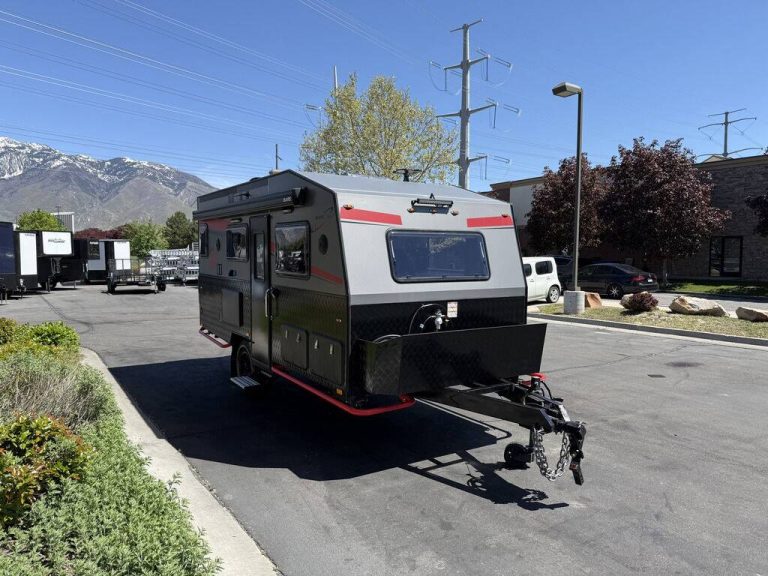
All‑terrain RVs are specialized recreational vehicles built to handle rough, unpaved terrain while providing comfortable living space. Unlike traditional RVs designed primarily for paved roads and established campgrounds, all‑terrain RVs combine rugged off‑road capability with living amenities — enabling extended trips into remote landscapes.
These vehicles bridge the gap between standard motorhomes and full overland setups:
Standard RVs focus on comfort and highway travel.
Overland vehicles (like modified 4×4 trucks or SUVs) are optimized for terrain performance but often lack full living space.
All‑terrain RVs merge both: off‑road capability and self‑contained living systems.
This unique positioning explains why more travelers are seeking this category — especially as overlanding becomes a lifestyle choice rather than just a hobby.
2. All‑Terrain RVs for Extreme Off‑Road Conditions
All‑terrain RVs must be capable of traversing a wide range of environments. From sandy deserts to snowy alpine passes, each terrain type presents unique challenges.
Key Terrain Types
Desert & Dunes — loose sand demands high ground clearance and traction.
Mountain Trails — steep gradients, sharp rocks, and narrow tracks.
Snow & Ice — low‑temperature durability and traction systems.
Rainforest & Mud — deep ruts and soft soil require durable traction.
Performance Requirements by Environment
Every environment stresses different vehicle systems:
Suspension & chassis must absorb bumps and protect critical underbody components.
Tires tailored to terrain optimize grip and wear resistance.
Power systems should support accessories, lighting, and extended off‑grid stays.
Examples of Adaptation Strategies
High ground clearance and reinforced chassis designs for rock gardens.
Terrain‑specific tire packages (all‑terrain, mud, snow).
Advanced suspension systems that adapt to terrain conditions.
Each of these design choices directly contributes to an all‑terrain RV’s ability to deliver safe and reliable travel far beyond the paved road.
3. Core Design Features of All‑Terrain RVs
To support rugged journeys, all‑terrain RVs integrate several key design elements.
3.1 Chassis & Suspension
A reinforced chassis is foundational for durability. Heavy‑duty frames and underbody protection help prevent damage from rocks, logs, and uneven trails.
Independent vs. solid axle suspension:
Independent suspension improves articulation across uneven terrain.
Solid axle setups can provide durability under heavy loads.
Both types have pros and cons; choosing depends on travel style and terrain expectations.
3.2 Tires and Traction Systems
Tires are crucial for mobility:
All‑terrain tires balance on‑road comfort with off‑road grip.
Mud/snow tires provide bite in specialized conditions.
Differential locks improve traction when one wheel loses contact or grip.
These systems reduce the chance of a vehicle becoming stuck and improve confidence on tricky trails.
3.3 Off‑Grid Power & Water
To support remote travel:
Solar panels and battery banks provide sustainable power.
Generator backup ensures continuity.
Freshwater and waste management systems enable self‑sufficiency for days or weeks.
These features turn an RV into a mobile base camp capable of remote exploration without reliance on hookups.
4. How to Choose & Use an All‑Terrain RV (How‑To Guide)
Selecting the right all‑terrain RV means matching features to your travel goals.
Step‑by‑Step Evaluation Checklist
Intended Terrain
Decide where you’ll most often travel.Group Size & Gear
Room layout and storage space should fit your travel party.Range and Autonomy
Consider water capacity, power storage, and resupply frequency.
Packing and Preparation Tips
Pack tools, spare parts, and emergency gear.
Ensure redundant power sources (solar + battery + generator).
Key Driving Skills for Challenging Surfaces
Slow‑speed handling over rough terrain.
Reading terrain to choose the best line.
Use of recovery gear (snatch straps, traction boards).
These steps elevate the experience from simply owning an all‑terrain RV to using it safely and effectively.
5. Global All‑Terrain RV Market Trends
Interest in rugged travel vehicles isn’t limited to a single region. The global all‑terrain RV market continues to expand significantly.
Regional Comparison
North America leads adoption with extensive public lands and strong outdoor culture.
Europe shows steady growth, focusing on lightweight, modular designs for narrower roads.
Asia‑Pacific stands out as the fastest growing market, driven by rising incomes and domestic tourism demand.
Market Drivers
Adventure tourism and off‑grid lifestyles drive interest.
Remote work trends lead travelers to seek mobile office and travel solutions — evident in rising search queries around remote work RV setups.
Younger demographics (Millennials, Gen Z) increasingly adopt rugged travel, shifting away from traditional vacation models.
According to industry projections, the worldwide off‑road RV market could grow at a double‑digit CAGR through the early 2030s — indicating strong long‑term adoption.
6. Safety and Maintenance Guide
Ensuring reliability on and off the road is a top priority for any adventurer.
6.1 Pre‑Trip Checklist
Inspect mechanical systems (engine, brakes).
Check suspension and tires for wear.
Pack emergency gear — first aid, recovery tools, and navigation.
6.2 On‑Route Best Practices
Slow‑speed handling preserves vehicle integrity over rocks and ruts.
Weather awareness helps avoid dangerous trail conditions.
Self‑recovery basics — know how to use traction aids and winches.
6.3 Maintenance Tips
Maintain regular inspection intervals.
Watch for common wear (tire edges, seals, underbody components).
Prepare for seasonal storage to protect systems when not in use.
Well‑maintained vehicles deliver longer life and safer adventures.
7. Case Studies & Real‑World Examples
Across the globe, adventurers are embracing the all‑terrain lifestyle:
Expeditions across arid deserts, where optimized suspension and traction systems were essential.
Mountain traverses where reinforced chassis reduced risk of damage.
Long‑duration remote journeys powered solely by solar/battery systems.
These journeys offer valuable lessons — from packing lightweight but essential gear to mastering slow technical driving.
8. Common Questions
Q1: What is the difference between an all‑terrain RV and an overland camper?
All‑terrain RVs combine off‑road capability with full living amenities, while overland campers typically focus on terrain performance and modular camping gear.
Q2: Can all‑terrain RVs be used year‑round?
Yes — with proper insulation, heating systems, and winter preparations, many units support four‑season travel.
Q3: What are the main costs associated with all‑terrain RV maintenance?
Routine maintenance includes tires, suspension upkeep, and off‑grid systems. Proper planning reduces unexpected expenses.
Q4: Are special licenses required in certain countries?
Regulations vary globally; always check local vehicle classifications and travel permits before departure.
9. Conclusion — Summary & Best Practices
All‑terrain RVs represent more than just vehicles — they are tools for exploration. With growing global interest, technological advancements, and a strong outdoor recreation culture, the all‑terrain segment is poised for continued growth. Whether you’re planning weekend wilderness trips or global overland expeditions, understanding how to choose, equip, and maintain a rugged RV will enhance both safety and enjoyment.
If you’re ready to explore off‑grid travel in depth, explore our detailed guides on topics like global off‑road trailer trends and design insights and off‑road RV preparation tips.
Start your journey — the trail begins where the pavement ends!