Table of Contents
Above‑the‑Fold Summary
Overland campers are off‑road capable, self‑sufficient vehicles or trailers built for long‑distance travel and exploration in remote environments. Ideal for adventure travelers, photographers, remote workers, and explorers, these rigs allow you to go farther and stay longer without relying on traditional campgrounds. This comprehensive guide covers what overland campers are, the different types, how to choose the right one, preparation checklists, real‑world use cases, and common mistakes.
What Are Overland Campers?
Overland campers are a specialized category of recreational vehicles designed for off‑road travel, extended self‑support, and rugged exploration. Unlike standard towable travel trailers or motorhomes optimized for established campgrounds and paved roads, overland campers are built with durability, autonomy, and adaptability in mind.
Core Concept
Overland camper trailers combine living space with off‑grid capability.
Off‑road overland campers are engineered to handle rough terrain and unpaved routes.
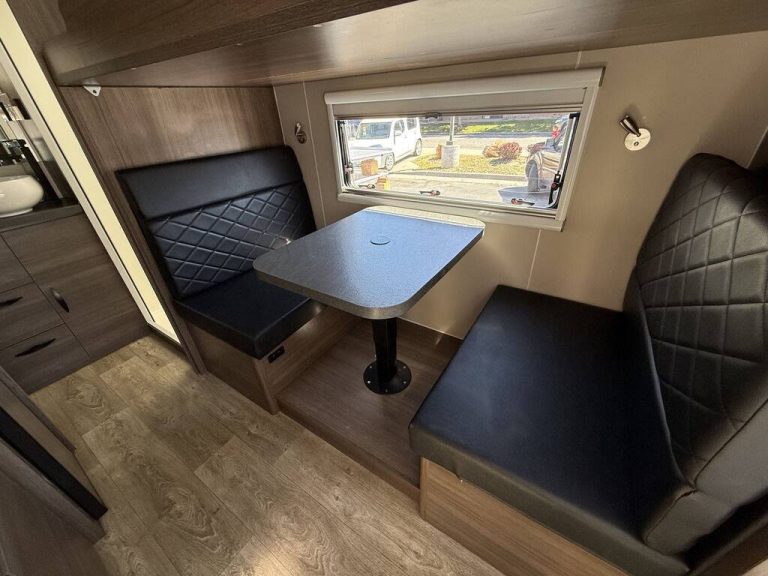
A self‑sufficient overland camper includes systems for power, water, and storage that enable prolonged remote stays.
Expedition overland campers are larger, more capable platforms for extended global travel or professional use such as photography and research.
These vehicles and trailers are designed to traverse dust, sand, mud, and rocky terrain while supporting life on the road. They reflect increasing user interest in freedom over infrastructure dependence—a trend visible in Google searches for boondocking rigs and off‑grid mobile living.
Why Overland Campers Are Popular Worldwide
Global Trends
Off‑grid travel growth: More people are prioritizing travel away from crowded campgrounds and traditional infrastructure.
Slow travel and exploration: Search trends for “week‑long RV adventures” and “remote travel routes” have increased year‑over‑year.
Adventure tourism: Demand for rugged, immersive travel experiences continues rising.
Regional Patterns
North America: Strong interest in national parks, BLM land exploration, and long highway corridors that connect backcountry sites.
Europe: Focus on cross‑border overland touring and mixed terrain routes.
Australia: Emphasis on long‑distance outback travel and desert crossings, where self‑sufficiency is essential.
Core Benefits Driving Adoption
Independence: Users can travel without hookups or fixed plans.
Durability: Reinforced builds handle rough roads and remote conditions.
Adaptability: Configurations allow for varied trip lengths and climates.
Types of Overland Campers
Overland campers span a spectrum of designs based on intended use. Understanding these categories helps you match a camper to your travel style.
Compact Overland Campers for Solo or Couple Travel
Designed to be lightweight and easy to tow.
Perfect for short‑to‑mid‑range adventures.
Common for weekend explorers and beginner overlanders.
Off‑Road Overland Campers for Challenging Terrain
Built with reinforced chassis and higher ground clearance.
Suspension and frame upgrades handle rocky, uneven surfaces.
Ideal for serious off‑road routes far from paved roads.
Expedition Overland Campers for Long‑Term Remote Travel
Larger, more robust platforms for extended use.
Multi‑climate adaptability for deserts, forests, and mountains.
Often chosen for professional use like location photography or field research.
How to Choose Overland Campers
Selecting the right overland camper involves thoughtful alignment of your travel goals with vehicle and trailer capabilities.
Step 1: Define Travel Style
Consider:
Trip duration (weekends vs months)
Climate and terrain
Solo, duo, or family travel
Step 2: Match to Tow Vehicle & Payload Limits
Ensure your chosen camper aligns with:
Tow vehicle capacity
Payload distribution
Braking and hitch specifications
Step 3: Evaluate Core Systems
Key overland camper systems include:
Water storage and filtration
Power generation and management
Storage space configuration
Suspension and structural durability
Step 4: Assess Maintainability
Remote travel means repairs are part of the journey:
Easy access to service points
Field‑servicing capability
Hours needed to maintain key systems
Step 5: Try Before Committing
Renting or demoing different setups reveals real‑world nuances that specs alone cannot capture.
Overland Camper Preparation Checklist
Preparation isn’t just about packing; it’s about ensuring your rig, gear, and mindset are ready.
Mechanical Inspection
Suspension and frame bolts
Hitch and towing components
Brake and tire condition
Power & Energy Management
Battery and solar integration
Alternator charging systems
Power monitoring devices
Water & Waste Planning
Fresh water capacity
Grey and black water systems
Climate‑appropriate storage
Essential Tools & Spares
Recovery gear
Tire repair kit
Multitools and spare parts
Navigation & Communication
Offline maps and GPS
SATCOM or emergency signaling tools
Essential Features of High‑Performing Overland Campers
Certain features consistently show up in capable off‑road and remote travel setups:
Reinforced chassis and frame design — Strong foundation for rough terrain.
Off‑road suspension and wheels/tires — For comfort and reliability.
Modular storage with easy maintenance access — Efficient, user‑friendly space.
Integrated energy and water systems — For extended autonomy.
💡 Original POV:
Ruggedness for overland campers is not just about heaviness—it’s about engineered reliability + maintainability + long‑term adaptability. A balanced system approach matters more than maximum specs alone.
Real‑World Use Cases of Overland Campers
Weekend Off‑Road Adventures
Perfect for close‑to‑home explorations of forests or desert landscapes.
Multi‑Week National Park Circuits
Extended routes through contiguous natural parks test comfort, storage, and autonomy.
International Expedition Filming or Research
Scientific or cinematographic missions often require multi‑week setups in remote regions.
Digital Nomads and Remote Work Bases
A stable living space that doubles as a remote office gives unique lifestyle flexibility.
These use cases underline how overland campers support both leisure and purposeful travel.
Common Mistakes When Choosing Overland Campers
Avoid these frequent errors:
Overestimating towing capability — leads to unsafe journeys.
Ignoring payload and weight distribution — affects stability.
Choosing appearance over actual off‑road performance — flashy does not mean capable.
Skipping test or demo trips — leads to unexpected challenges.
By anticipating these pitfalls, you improve safety and satisfaction.
Frequently Asked Questions
What makes an overland camper different from a travel trailer?
Overland campers are built for remote terrain and self‑sufficiency, unlike conventional travel trailers designed for campgrounds.
Can a standard vehicle tow an overland camper safely?
It depends on the camper’s weight and your vehicle’s towing capacity and setup.
How long can overland campers stay off‑grid?
With proper preparation, some setups can operate independently for weeks.
Are overland campers suitable for extreme climates?
Yes—if systems are planned for insulation, ventilation, and environmental resilience.
Conclusion
Overland campers are ideal for travelers seeking freedom, adaptability, and self‑sufficient exploration beyond traditional campgrounds. If you value autonomy and robust capability for varied terrain, they offer unmatched versatility.
Next Steps
Compare overland campers with travel trailers
Use the preparation checklist before setting out
Start with shorter test journeys before long expeditions