Table of Contents
Above-the-Fold Summary
A badass camper is a rugged, adventure-ready trailer or compact RV built for off-road travel, durability, and self-sufficient outdoor living. These campers feature reinforced frames, high-clearance suspension, all-terrain tires, and gear-friendly cargo zones — combined with living comforts like sleeping space, kitchenettes, and storage. Ideal for overlanding, off-grid exploration, or extreme weather, badass campers let you tackle backcountry trails or long-distance road travel without sacrificing comfort. This guide explores what makes a camper “badass,” current global trends, layout types, core features, and practical advice for choosing the right one.
Introduction — What Makes a Camper “Badass”?
Definition of “Badass Camper”
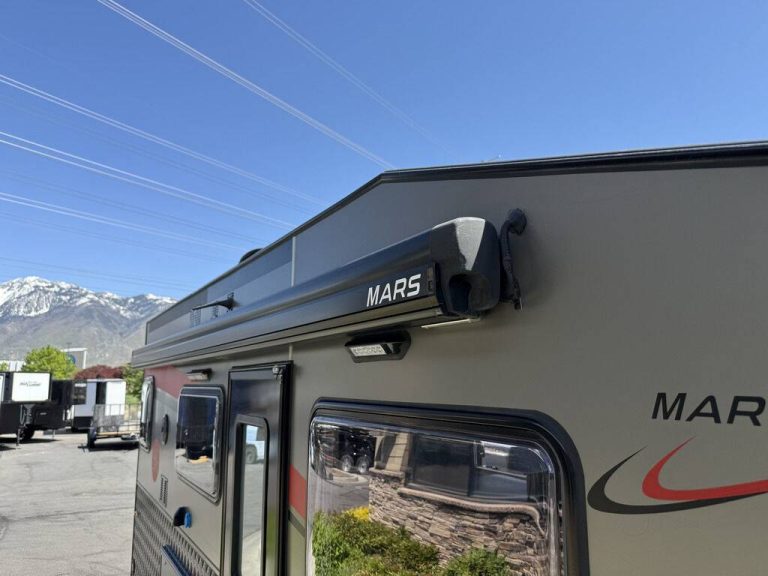
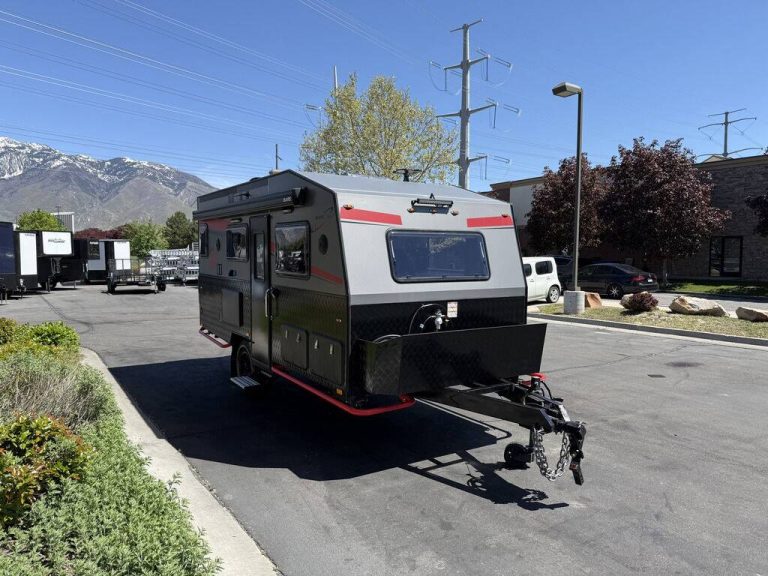
A badass camper refers to any towable or trailer-based RV specifically engineered for rugged terrain, unpredictable weather, and self-reliant travel. Unlike standard travel trailers or lightweight campers, badass campers emphasize strength, versatility, and endurance — combining off-road capability with functional living amenities.
Why Demand Is Growing
Over the last few years, more travelers—especially outdoor enthusiasts—are shifting toward rugged, off-grid camping. The rise of adventure sports, remote-work flexibility, and a renewed interest in nature travel have driven demand for campers that go beyond paved roads. People want a camper that can haul motorcycles, mountain bikes, kayaks, or equipment — and still offer a comfortable living space.
Search behavior in the U.S. confirms this trend. Searches for terms like “badass off-road campers”, “rugged camper trailers”, “off-grid campers”, and “adventure camper setups” have been rising, reflecting growing interest in durable, versatile RVs.
Global Market Overview & Trends
Regional Differences and Preferences
North America — With vast landscapes and strong off-road culture, small to mid-sized off-road campers are especially popular. Overlanding and backcountry trips drive demand for high-clearance, rugged campers.
Europe — Compact, efficient, and lightweight badass campers are preferred due to narrow roads and tighter campsite restrictions. Maximizing interior layout and minimizing footprint are key.
Australia — Mature off-road camper market with strong demand for extreme-terrain capability. Durability, water/waste capacity, and tough suspensions are major selling points.
Asia (emerging markets) — Growing interest in modular and micro-campers (compact but versatile). Space constraints and rising outdoor travel are driving innovation in lightweight, foldable furniture and convertible interiors.
What’s Driving Demand
A global uptick in backcountry recreation and adventure sports.
Post-pandemic shift toward road trips, self-contained travel, and domestic tourism.
Younger buyers and couples wanting flexible, minimal, yet capable campers rather than full-sized motorhomes.
Rising interest in off-grid, self-sufficient camping — solar panels, water tanks, and modular design make this possible.
Structure & Terminology of Badass Campers
To understand what makes a camper “badass,” it helps to know the core structure and common terminology:
Core Structural Components
Reinforced chassis & frame — enhanced durability for rough terrain
High-clearance suspension & all-terrain tires — for uneven roads, dirt tracks, gravel
Weather-resistant shell & insulation — to handle rain, wind, heat, or cold
Protection sealing & reinforced undercarriage — to resist mud, rock, and water
Interior Zones (Essential Living Spaces)
Sleeping Zone — bed or bunk space, often convertible
Kitchen / Galley — compact cooking and food-prep area
Convertible Dining/Lounge Area — seating that can shift between dining, lounging, or sleeping
Storage Systems & Gear Garage — secure storage for gear, weapons for overlanding, bikes, tools, etc.
Climate Control & Ventilation — insulation, vents or fans, possible off-grid utilities
Important Terms to Know
Departure angle — how steep a slope the camper can descend without bottoming out
Recovery points — mount points for tow straps or winches in off-road recovery
Off-grid system — solar panels, battery systems, water/waste tanks, enabling self-sufficiency
Modular furniture — convertible furniture to maximize limited space
Payload capacity — safe load limit for gear + supplies
Types of Badass Campers
Badass campers come in several variations depending on travel style and terrain:
1. Off-Road Campers
Designed for rough terrain and remote trails. Heavy-duty axles, independent suspension, and reinforced chassis make them ideal for overlanding.
2. Adventure Campers
Built for a mix of road and occasional off-grid travel. They balance gear hauling, interior comfort, and towability — perfect for biking, kayaking, or motorcycle trips.
3. Rugged Trailer-Style Campers
Compact trailers with a tough frame, roof racks, and storage for adventure gear. Their minimalistic interior makes them easier to maintain and tow.
4. Small Badass Campers
Lightweight, towable with mid-size vehicles, and ideal for narrow roads and tight campsites. Great for urban-dwellers seeking weekend escapes.
Interior Layouts & Functional Design
Popular Layouts & What They Offer
| Layout Type | Strengths |
|---|---|
| Rear sleeping / front kitchen | Balanced living & sleeping separation |
| Side kitchen + convertible lounge | Efficient day-to-night use with small footprint |
| Gear-hauling garage + fold-up seating | Ideal for active travelers with bikes/kayaks |
| Compact bunkhouse-style layout | Accommodates 2–4 people — good for couples/families |
Choosing the Best Layout for Your Needs
Travel style: Off-roading, overlanding, weekend trips, or long-distance roads
Number of travelers: Solo, couple, friends, or small family
Gear volume: Bikes, kayaks, surfboards, ATVs, camping gear
Amenities needed: Kitchen, bathroom, sleeping comfort, storage, off-grid utility
Key Features That Make Campers “Badass”
Structural Toughness
Strong frame welds, corrosion-resistant materials, reinforced undercarriage
Durable suspension & high-clearance for uneven terrain
Off-Grid Readiness
Built-in water/waste tanks, fresh-water storage
Solar power readiness or compatible wiring for independent power
Good ventilation and insulation for extreme temperatures
Functional Interiors
Multi-purpose furniture (beds that double as storage benches, fold-down tables)
Compact galley for cooking on the go
Efficient LED lighting, space-saving storage
Safety & Usability
Secure tie-downs and gear mounts for bikes or ATVs
Balanced tow weight and proper hitch setup
Reliable braking, stable suspension, good road handling
How to Choose the Best Badass Camper (How-to Guide)
Step-by-Step Buyer Checklist
Define Your Intended Terrain and Use — off-road, dirt tracks, mountain paths, or light gravel roads.
Estimate Travel Duration & Needs — weekend trips vs long-term travel vs remote camping.
Choose Size & Layout That Fit Your Gear & Lifestyle — big gear = roomy garage; long trips = decent living amenities.
Inspect Structural Quality — frame strength, suspension, build materials, sealing, insulation.
Verify Off-Grid System Capabilities — water storage, waste management, power readiness, ventilation.
Test Interior Layout for Comfort & Practicality — ease of movement, convertible furniture, storage capacity.
Plan for Future Flexibility — gear upgrades, seasonal travel, additional occupants, pet or family use.
Inspection & Quality Checklist
Frame welds and suspension robustness
Waterproofing and sealing quality
Mattress and seating comfort
Storage accessibility and gear tie-down integrity
Ventilation, insulation, and off-grid readiness
Common Mistakes to Avoid
Buying too large: reduces maneuverability and increases weight
Exceeding payload capacity with heavy gear
Ignoring ventilation and insulation — uncomfortable climate inside
Underestimating required storage for gear and supplies
Real-World Use Cases of Badass Campers
Overlanding Weekend Trips: rough terrain dirt tracks, carrying bikes or ATVs, sleeping in remote campsites — perfect for off-road campers.
Mountain Biking Adventures: store bikes securely in garage, camp nearby — balanced layout for both gear and comfort.
Remote Desert or Forest Camping: independent water/power system, rugged build, insulated interior for extreme climates.
Family Adventure Travel: small rugged trailers or compact designs suit families needing gear, sleeping, and flexible layout.
Long-Distance Overland Touring: robust suspension, strong chassis, off-grid capacity — ideal for months-long journeys across mixed terrain.
Comparison: Badass Campers vs. Standard Campers
| Feature / Use Case | Badass Campers | Standard Campers |
|---|---|---|
| Build Strength | Heavy-duty, reinforced | Lightweight, basic frame |
| Off-road Use | Excellent (off-grid terrain) | Limited (paved roads preferred) |
| Gear Storage Capability | Large garage or storage bay | Minimal storage |
| Layout Flexibility | Modular, convertible, gear-friendly | Fixed layout, less flexible |
| Off-grid Living | High: water tanks, insulation, suspension | Moderate: best for car camp |
| Suitability for Adventure | Top — bikes, ATVs, kayaks, overlanding | Leisure travel, short trips |
FAQ — Common Questions About Badass Campers
What exactly are badass campers?
They are rugged trailers or compact RVs designed for off-roading, gear hauling, and self-sufficient travel — combining robust construction with livable interior.Can badass campers really handle off-road conditions?
Yes — with reinforced chassis, high-clearance suspension, all-terrain tires, and weather-resistant materials, they are built for rough roads, dirt tracks, and backcountry trails.Are small badass campers practical for everyday towing?
Absolutely. Many models are designed to be towable with mid-size trucks or SUVs, balancing weight, size, and gear capacity.What layout works best for adventure gear like bikes or kayaks?
Layouts with rear cargo garages or convertible gear bays combined with fold-up furniture maximize space for gear and living.Do badass campers come with off-grid systems?
Many do — or are pre-wired for solar, water storage, and ventilation systems to support remote travel without hookups.How do I choose the right badass camper layout for me?
Assess your typical use (solo, couple, family), gear volume, travel frequency, and how much comfort or self-sufficiency you need.
Conclusion
If you’re seeking adventure, freedom, and versatility — a badass camper offers a perfect balance of ruggedness and livable comfort. Whether you’re hauling bikes through rough trails, exploring remote deserts, or enjoying overland camping, the right layout and build can make a big difference.
Want more in-depth RV travel guides, off-grid camping tips, and layout ideas? Visit our blog for more insights:
👉 https://www.marsrvs.com/blog
Get ready, get rugged — and hit the road.