Table of Contents
Pop up RVs continue to gain traction in the U.S. outdoor recreation landscape as more travelers opt for short drives and local camping trips over international vacations. In recent surveys, nearly 90% of American travelers expressed interest in short “pop‑up escapes” within driving distance for one to three nights, fueling growth in camping and pop up trailer adoption.
This comprehensive pop up RV camping guide breaks down what a pop up RV is, how it compares to other RV types, step‑by‑step setup advice, essential camping checklists, global market trends, and FAQs—everything you need to know to confidently choose and use a pop up RV in 2026.
🧠 What Is a Pop Up RV?
A pop up RV is a type of towable recreational vehicle that collapses for road travel and expands at a campsite to create living space. These RVs strike a balance between classic tent camping and the comfort and convenience of larger camper trailers, making them an attractive choice for families, weekenders, and first‑time RV owners alike.
Pop Up RV Definition
At its core, a pop up RV features a fold‑out design with canvas or soft‑wall sections that extend outward to create sleeping areas and interior space once parked. Unlike hard‑sided travel trailers, pop ups remain compact while towing and expand to offer shelter, ventilation, and basic camping amenities when set up. This design provides a closer‑to‑nature feel similar to traditional camping while giving the protection and elevated comfort of an RV.
Pop Up RV vs Other RV Types
Understanding how pop up RVs differ from other recreational vehicles helps clarify why many campers choose this option.
Travel Trailer Comparison
When comparing pop up RV differences vs travel trailers, the most notable distinctions lie in weight, towing ease, interior comfort, and setup complexity:
Weight & Towing: Pop up RVs are lighter and easier to tow, often manageable with family SUVs or smaller vehicles, while travel trailers generally weigh more and may require larger tow vehicles.
Interior Comfort: Travel trailers usually offer solid walls, more insulation, and a variety of built‑in amenities. Pop up RVs prioritize portability and an open‑air feel.
Setup Complexity: Pop up RVs require manual setup of canvas and support poles, while many travel trailers require minimal deployment steps.
Tent Trailers / Hard‑Side Trailers
Compared to tent trailers or hard‑side folding campers, pop up RVs typically blend lightweight canvas comfort with better weather protection and compact travel size, making them a versatile middle ground.
Key Terms to Know
Dry Weight / GVWR: The unloaded and fully loaded weights of the RV, important for tow vehicle compatibility.
Canvas Walls / Hard Sides: Soft canvas walls provide ventilation and outdoor immersion, while hard sides offer weather resistance.
Sleeping Capacity: Number of people a pop up RV can comfortably accommodate.
Tow Vehicle Compatibility: Ensuring your car, SUV, or truck has sufficient towing capacity for the RV’s weight.
🧭 How to Choose & Use a Pop Up RV
Whether you’re new to RVing or transitioning from tent camping, following a structured process ensures your pop up RV experience is smooth and enjoyable.
Identify Your Camping Needs
Before choosing a pop up RV, evaluate your typical camping scenarios:
Weekend Trips vs Extended Camping: Short trips prioritize easy setup and portability, while longer adventures may encourage space and storage considerations.
Number of Campers: A family of four or more might need larger sleeping areas and more interior space.
Tow Vehicle & Road Conditions: Pop up RVs are generally lightweight and towable by mid‑size vehicles, but rough terrain or heavier setups might require stronger hitch systems.
Pop Up RV Setup Step‑by‑Step
Setting up your pop up RV the right way not only enhances comfort but also contributes to safety and longevity.
Position & Level the RV — Park on stable, level ground and engage the parking brake.
Stabilize with Jacks — Extend stabilizing jacks to reduce sway or rocking.
Extend Bed Ends & Secure Support Poles — Carefully unfold the sleeping areas and support poles.
Raise Roof & Tension Canvas — Lift the main roof and secure canvas edges to prevent water intrusion.
Connect Utilities (Water/Electric) — Hook up campground services if available.
Essential Checklist Before Departure
Before heading to your campsite, make these final checks:
Canvas & Seams: Inspect for tears or weak spots.
Tires & Wheels: Ensure proper inflation and wheel bearing condition.
Hitch & Brake Systems: Confirm secure connections and brake responsiveness.
Weather Accessories: Pack rain flaps, wind guards, and extra tie‑downs.
📈 Global Market & Trends
The pop up RV segment is experiencing evolving user preferences and global growth patterns, driven by lifestyle trends, outdoor travel behavior, and innovations.
🌍 Pop Up RVs for Families & Beginners
Pop up RVs appeal strongly to families and newcomers to RVing because they provide:
Flexible sleeping layouts
Easy storage and setup
Comfortable shelter with ventilation
Regions with strong camping traditions—such as North America, Europe, and Australia—show consistent demand among families for approachable RV experiences and shorter local trips.
🌍 Pop Up RVs for Outdoor Enthusiasts
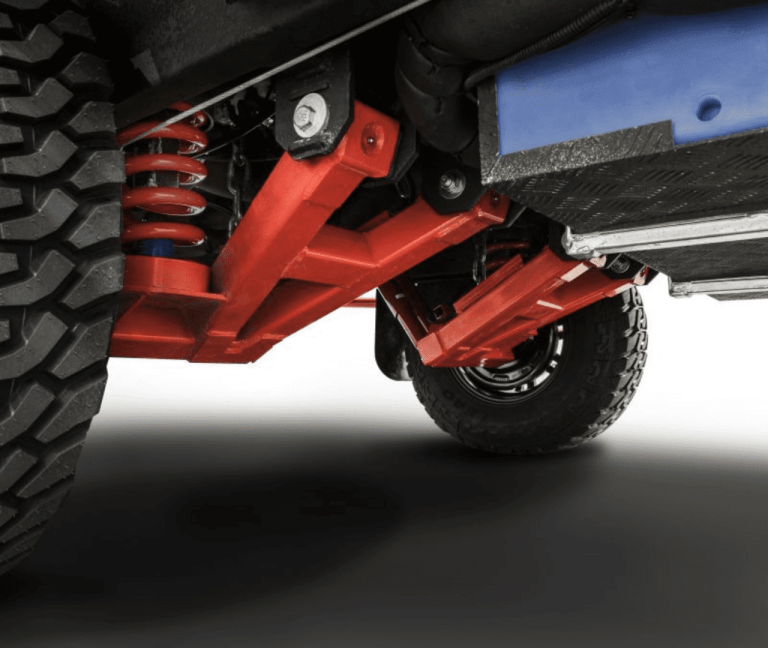
Adventure camping continues to attract outdoor enthusiasts who enjoy boondocking, off‑grid stays, and rugged experiences. Modern pop up RVs increasingly incorporate features such as reinforced frames, enhanced insulation, and upgraded suspension to handle backcountry travel.
🌍 Lightweight & Towable Trends
Demand for lightweight RV solutions is a clear market trend. Many campers now prioritize units that can be towed with smaller vehicles, promoting better fuel economy and easier maneuverability. Lightweight pop up RVs help expand access to camping for wider demographic groups and align with broader RV market innovations like composite materials and compact design improvements.
🌍 Data & Search Trends
Industry reports and travel behavior data reflect that pop up RVs and similar camping trailers are gaining traction as flexible, affordable outdoor options. Campgrounds and RV parks see increasing reservations, while digital nomads and remote workers are also engaging in RV lifestyles that combine travel with work opportunities.
❓ FAQs
Q1. What is a pop up RV?
A pop up RV is a collapsible, towable recreational vehicle that expands at the campsite to provide shelter and living space, blending elements of tent camping and traditional RV comfort.
Q2. How hard is it to set up a pop up RV?
Setup involves unfolding and stabilizing components, extending bed ends, and tensioning the canvas. With practice, this process becomes quick and efficient.
Q3. Can any vehicle tow a pop up RV?
Most pop up RVs are lightweight and can be towed by mid‑size vehicles, SUVs, or pickup trucks. Always check your vehicle’s towing capacity.
Q4. What features should I look for in a pop up RV?
Consider sleeping capacity, tow weight, canvas quality, storage space, and any off‑grid power capabilities.
🛠 Maintenance Tips & Longevity Best Practices
Taking good care of your pop up RV ensures it remains reliable for years of outdoor adventures.
Seasonal Canvas Care
Clean and dry before storage
Repair small tears before they worsen
Bearing & Brake Checks
Regularly inspect wheel bearings
Ensure brake systems are functioning
Roof & Seal Maintenance
Check seals for leaks
Re‑seal seams annually
Storage Best Practices
Use breathable RV covers
Prevent moisture buildup to avoid mold
🧠 Conclusion — How to Pick Your Ideal Pop Up RV
Choosing the right pop up rv depends on your travel goals, camping style, and vehicle capacity. Here’s a quick decision flow:
Family & Weekend Trips: Prioritize layout and ease of setup
Light Camping & Portability: Look for lightweight, towable models
Adventure & Off‑Grid Use: Consider rugged features and insulation
Pop up RVs remain a versatile, approachable option for 2026 and beyond—offering a bridge between traditional camping and full‑size RV living. Whether you’re a first‑time camper or a seasoned adventurer, this guide equips you to make informed decisions and enjoy your next outdoor escape.