Table of Contents
What “Remote Camping” Really Means
Remote camping refers to traveling far beyond developed campgrounds—where there are no hookups, paved roads, or nearby services. Unlike regular campground camping, remote camping requires full self-reliance and the ability to store and manage power, water, fuel, and supplies for multiple days or weeks.
Remote camping vs. campground camping vs. boondocking
| Type | Hookups | Terrain | Equipment Level |
|---|---|---|---|
| Campground | Full hookups | Paved | Standard |
| Boondocking | No hookups | Easy-moderate | Off-grid capability |
| Remote camping | No services | Rough & isolated | Advanced durability, high autonomy |
Glossary (quick reference):
GVWR: Gross Vehicle Weight Rating — max total trailer weight allowed
Payload: Weight you can load after dry weight (gear, water, fuel, bikes, etc.)
Solar capacity (Wh): Total battery storage available from solar systems
Cassette vs. fixed tanks: Types of toilet waste systems
Off-road chassis: Reinforced frame built for rough terrain
Travel Trailer Types for Remote Camping (Core Comparison)
| Trailer Type | Best Advantages | Limitations in Remote Trips |
|---|---|---|
| Teardrop | Easy to tow, lightweight | Limited water/power & interior space |
| Compact travel trailer | Good space + off-grid ability | Must watch payload limits |
| Off-road trailer | High durability & suspension | Heavier; requires strong tow vehicle |
| Overland trailer | Extreme terrain capability | Higher learning curve; minimalist layouts |
| Pop-up trailer | Lightweight & big interior space | Canvas walls reduce insulation/security |
Takeaway:
There is no universal “best” travel trailer. The best remote camping trailer is the one that fits your towing setup, terrain, storage needs, and off-grid duration.
Global Market Snapshot
The global travel trailer and camper sector continues to expand, driven by demand for outdoor travel and long-distance independence. Industry reports show strong global growth over recent years as more travelers seek off-grid, nature-focused experiences.
The off-road and adventure trailer segment is rising even faster, as travelers pursue harder terrains and more self-reliant expedition-style journeys. Manufacturers across regions are shifting from “recreational” designs to “expedition-ready” systems with higher payload ratings and rugged structural materials.
One of the most significant industry trends is the rapid push toward electrification and higher on-board battery and solar capacities. Long-range battery packs, MPPT charge controllers, and EV-compatible towing systems are increasingly common. The market is clearly moving toward energy-independent rigs capable of staying off-grid for longer without fuel or generators.
How to Choose the Best Travel Trailer for Remote Camping (Step-by-Step)
Use this checklist to evaluate any model:
Define destinations & terrain
Desert, rock, forest, snow, beach, mud, or mixed terrain
Identify minimum ground clearance and tire requirements
Estimate payload needs
Gear: bikes, tools, recovery boards, kayaks, cooking supplies
Consumables: food, fuel, fresh water, propane
Add weight safety margin instead of working at capacity
Match tow vehicle rating
Verify tow rating vs. trailer GVWR
Confirm tongue weight does not overload rear axle
Off-grid power and water
Minimum recommended for 3–7 days:
• 200–600W solar
• 2000–6000Wh battery
• 100–300L fresh water
• Inverter sized for appliances
Chassis & suspension
Heavy-duty frame
Independent suspension or upgraded leaf-spring system
Skid protection, all-terrain tires, strong coupling system
Ease of use & setup
Leveling speed
One-person deployment
Clear access to controls and storage
Durability & serviceability
Replaceable parts
Protected wiring and plumbing
Accessible filters, batteries, and seals
Key Features to Prioritize for Remote Camping
1. Travel trailer for off-grid camping
Solar-ready roof, MPPT solar controller
Large battery banks with lithium-ready bays
High-efficiency appliances to conserve power
2. Compact travel trailer for overlanding
Short body length for maneuverability
Reinforced chassis and high-strength coupler
Low center of gravity for steep trails
3. Lightweight travel trailer for backcountry
High payload-to-weight ratio
Composite or aluminum panels to reduce weight
Multi-function internal storage for bulky equipment
Water, heating/cooling, and storage systems
Large fresh tank and efficient grey handling solution
All-season insulation and protected plumbing
Interior tie-downs and lockable gear compartments
Case Studies / Use Cases
Desert Expeditions
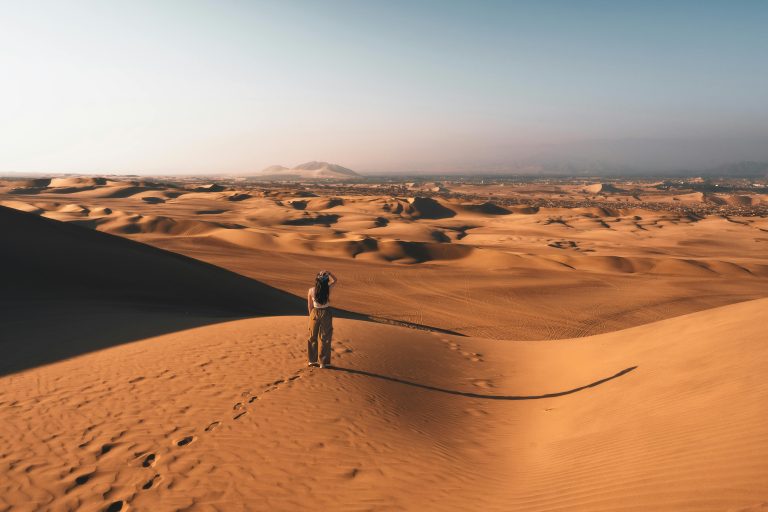
Travelers crossing hot and dusty desert landscapes need outstanding dust sealing, heat-resistant construction, and large fresh-water capacity. Sand performance also depends on correct tire pressure and wide-footprint tires.
Alpine & Snow Terrain Adventures
High-altitude trailer camping requires superior insulation, plumbing freeze-protection, and reliable heating systems. High-torque tow vehicles and strong brakes are essential on steep climbs and descents.
Jungle & Coastal Expeditions
In tropical coastal regions, corrosion resistance and ventilation are essential. Waterproof electrical components, stainless hardware, and screened vents ensure comfort and reliability in humid environments.
Quick Pre-Trip Setup Checklist
Hitch, chains, and recovery shackles
Tire pressure and spare tire check
Battery charge & solar performance test
Fuel, water, and food load plan
Emergency repair kit & first-aid kit
Secure all tie-downs and cargo
Daily solar & power status log
Maintenance for Remote Reliability
Inspect suspension, bushings, and wheel bearings every season
Clean and lubricate gaskets and seals to prevent water/dust intrusion
Perform battery maintenance and test inverter/charger performance
Flush water system and winterize when needed
Apply corrosion protection if stored or used near saltwater
FAQ
What size trailer is best for remote camping?
The best size is the one your tow vehicle can safely handle while still carrying enough payload for water, gear, and batteries.
Can I boondock with a compact travel trailer?
Yes, if it has enough water, power storage, and a protected chassis for rough terrain.
How much solar and battery do I need for 3 days off-grid?
Most travelers need 200–600W of solar and 2000–6000Wh of battery storage depending on appliance use.
Will a standard hitch handle off-road towing?
A reinforced off-road coupling is recommended for rough trails and steep articulation.
What maintenance prevents breakdowns?
Regular suspension checks, wheel bearing service, battery maintenance, and seal inspections are essential.
Is a lightweight trailer less durable in rock terrain?
Lightweight trailers can be very durable if built with reinforced frames and strong composite materials.
Conclusion
The best travel trailer for remote camping is not determined by size or marketing labels—it is defined by terrain capability, power and water autonomy, payload capacity, and durability. By evaluating your destinations, towing limits, gear requirements, and off-grid duration, you can select a trailer that delivers reliable comfort and safety even in the most isolated landscapes. Remote camping demands preparation, but with the right trailer, it becomes one of the most rewarding and memorable ways to explore the world.