Table of Contents
I. Above-the-Fold Quick Answer
A tow trailer RV is a non-motorized camping trailer designed to be pulled by a tow vehicle such as an SUV or pickup truck. It offers living space, sleeping areas, and essential camping convenience—without needing an engine onboard. To tow safely, RV owners must understand their vehicle’s towing capacity, match the trailer weight correctly, install the right hitch system, and ensure proper weight distribution. Most U.S. newcomers search for tow-capacity charts, recommended tow vehicles, and step-by-step towing instructions before hitting the road.
II. Introduction — U.S. Market Landscape for Tow Trailer RVs
The United States represents the world’s largest towable RV market, accounting for more than 70% of global sales. Tow trailer RVs are especially popular in states with rich camping and boondocking culture—such as Texas, Colorado, Florida, California, and Arizona. With thousands of national forests, BLM lands, and national parks available for year-round travel, tow trailers remain the top choice among both new and experienced campers.
Market growth is driven by several powerful trends:
Rising SUV and pickup Truck ownership: Most households already own a tow-capable vehicle.
Domestic travel boom: U.S. families increasingly prefer road trips and local outdoor adventures.
Flexible, low-maintenance RVing: Tow trailers require less upkeep than motorhomes.
Overlanding popularity: Off-road tow trailers are rapidly growing due to adventure and remote travel culture.
Mars brand alignment with U.S. consumer needs:
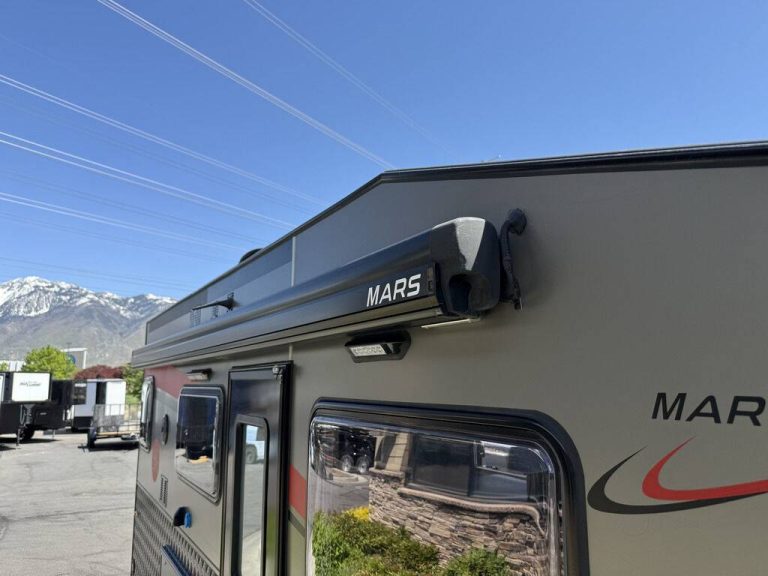
Mars specializes in tow trailers engineered for rugged conditions. With an all-terrain chassis, durable construction, weather-ready materials, and long-lasting components, Mars trailers are designed specifically for diverse U.S. landscapes—mountains, deserts, forests, and coastal environments. Their compact, capable designs fit the growing demand for off-road and adventure-ready towables.
III. What Is a Tow Trailer RV?
A tow trailer RV is a tow-behind recreational unit that attaches to a vehicle via a hitch system. Unlike motorhomes, it has no engine and relies entirely on the tow vehicle for mobility. Despite its compact size, a tow trailer RV can include comfortable sleeping areas, kitchens, storage, power systems, and weather protection.
Essential Glossary Terms for Beginners
GVWR (Gross Vehicle Weight Rating):
Maximum allowed weight of the trailer when fully loaded with gear, water, and supplies.
Dry Weight:
The trailer’s weight before any cargo or equipment is added.
GCWR (Gross Combined Weight Rating):
The maximum weight of the loaded tow vehicle plus loaded trailer combined.
Tongue Weight:
The downward force the trailer exerts on the tow vehicle’s hitch. Typically 10–15% of the trailer’s total weight.
Brake Controller:
A device inside the tow vehicle that controls the trailer’s electric brakes for safe stopping.
Sway Control System:
Technology designed to reduce dangerous side-to-side trailer movement while driving.
IV. Types of Tow Trailer RVs
A. Travel Trailers
The most widely purchased tow RV type in the U.S. due to their size options, family-friendly layouts, and wide compatibility with tow vehicles. They range from compact 16 ft units to spacious 30+ ft models.
B. Compact Lightweight Trailers
These small, fuel-efficient trailers are ideal for crossover SUVs and small trucks. They appeal strongly to weekend travelers, couples, and beginners who want easy towing without the stress of large trailer management.
C. Off-Road Tow Trailers (Mars Focus)
As overlanding becomes mainstream, off-road trailers are the fastest-growing tow RV category in the U.S.
Mars trailers offer:
Reinforced off-road suspension
High ground clearance
Durable chassis
Weather-resistant exterior
Capability to access remote trails
These trailers are especially popular among outdoor explorers who visit national forests, high-altitude campsites, or desert terrains.
D. Toy Hauler Tow Trailers
Designed for power-sports enthusiasts carrying motorcycles, ATVs, or off-road gear. These units are popular in western states like Utah, Nevada, and Arizona.
V. How to Tow a Trailer RV Safely
1. Match Trailer to Vehicle
Check the vehicle’s official towing capacity.
Compare the trailer’s GVWR to your tow rating.
Confirm the vehicle’s payload capacity (passengers + cargo + tongue weight).
Choose the correct hitch class.
2. Hitch Setup
Install a brake controller (required for most trailers).
Ensure the trailer sits level when connected.
Attach safety chains in an “X” pattern for maximum security.
3. Weight Distribution
Place 60% of trailer weight forward of the axle.
Keep heavy gear low and centered.
Avoid rear-heavy packing, which causes sway.
Consider a weight-distribution hitch for added stability.
4. Pre-Trip Safety Inspection
Check the following before every trip:
Tire pressure and condition
Brake lights and turn signals
Wheel bearings
Mirrors adjusted for extended vision
Breakaway cable connected
5. Driving Techniques
Accelerate slowly
Take wider turns
Increase following distance
Avoid quick lane changes
Reduce speed in windy or wet conditions
Use tow/haul mode if available
6. Parking & Backing Up
Use the “hand-at-bottom-of-the-steering-wheel” method
Move slowly and correct gently
Use a spotter if available
Practice in an empty parking lot before long trips
VI. Essential Features of Modern Tow Trailer RVs
Mars trailers integrate modern design, high durability, and off-road capability. Key features include:
Off-road capable suspension for rugged terrain
Lightweight frame design for easy towing
Reinforced chassis to withstand impacts and uneven roads
Weather-resistant materials suitable for rain, snow, and desert heat
Modular interior layouts for sleeping, cooking, and storage flexibility
Solar-ready electrical systems for remote camping
Smart storage solutions for gear and outdoor equipment
Long-term durability engineered for high-mileage travelers
These features position Mars as a top choice for U.S. consumers seeking compact, adventure-ready tow trailers.
VII. Towing Compatibility in the U.S.
Towing preferences vary across the country, but U.S. consumers overwhelmingly favor SUVs and pickup trucks. EV towing is emerging as well.
Mars trailers are optimized for vehicles such as:
Toyota 4Runner
Ford Ranger
Jeep Gladiator
Chevy Colorado
Nissan Frontier
Mid-size and half-ton trucks
Market Insight:
Over 60% of tow trailer RV owners in the U.S. use SUVs or mid-size pickups due to their versatility and daily drivability.
VIII. Maintenance Guide for Tow Trailer RVs
Routine maintenance ensures long-term safety and trailer lifespan.
Tire rotation & pressure checks
Brake inspections and adjustment
Suspension lubrication, especially off-road
Hitch lubrication
Seal and waterproofing checks
Undercarriage cleaning after dirt or salt exposure
Roof inspection for cracks and leaks
Battery and wiring maintenance
Mars trailers use durable materials, but ongoing care is essential for peak performance.
IX. U.S. Consumer Profiles & Case Studies
1. Family Travelers
Families often choose tow trailers for weekend trips and national park visits. Compact towables fit perfectly into this category.
2. Overlanding Community
A rapidly expanding segment—Mars excels here with its off-road chassis and rugged engineering.
3. Retirees & Long-Distance Travelers
Tow trailers are easier to maintain and tow than large motorhomes, making them ideal for couples on extended road trips.
Case Studies
Colorado Off-Road Adventurer:
A solo overlander uses a Mars off-road tow trailer for mountain trails. The suspension handles high altitudes and rough terrain with ease.
Florida Coastal Family:
A family of four tows a compact Mars trailer on weekend coastal trips—easy towing, simple camp setup, and excellent durability in humid conditions.
X. Printable Tow Trailer RV Checklist
Before Towing
✓ Hitch locked
✓ Tires inflated
✓ Chains secured
✓ Lights tested
On the Road
✓ Maintain safe following distance
✓ Monitor trailer sway
✓ Use tow mode when available
At Camp
✓ Stabilizers deployed
✓ Leveling blocks placed
✓ Power and water connected
XI. Troubleshooting Guide
| Problem | Cause | Solution |
|---|---|---|
| Trailer Sway | Weight imbalance | Redistribute cargo + install sway bar |
| Brake Overheating | Overuse on downhill | Downshift, use engine braking |
| Poor Fuel Economy | Excessive speed or drag | Reduce speed, check aerodynamics |
| Hitch Noise | Loose or dry components | Tighten & lubricate |
XII. FAQ
What vehicle is best for towing an RV?
SUVs and mid-size trucks are commonly recommended due to balanced towing power and daily usability.
How do I calculate towing capacity?
Subtract vehicle weight from GCWR and ensure the trailer’s GVWR is within that limit.
Do I need a brake controller for my RV?
Yes—most states require it for trailers above a certain weight.
What speed is safe for towing?
Many states recommend 55–65 mph for stability and fuel efficiency.
Can an SUV tow a travel trailer?
Yes—many SUVs can tow lightweight trailers safely.
What is the most common towing mistake?
Incorrect weight distribution, leading to sway.
Are off-road tow trailers worth it?
For campers who explore rugged terrain, they offer unmatched durability and access.
Conclusion
Tow trailer RVs remain the most popular and versatile RV choice in the U.S. market, offering flexibility, simplicity, and compatibility with vehicles that Americans already own. As national park travel, weekend camping, and overlanding continue to grow, demand for durable and adventure-ready tow trailers increases every year. Mars trailers—engineered with off-road suspension, rugged construction, and long-lasting materials—align perfectly with modern travel preferences. Whether used for family adventures, mountain expeditions, or cross-country touring, tow trailers provide a reliable and enjoyable gateway to the outdoor lifestyle.