Table of Contents
Why Outback Campers Are Rising in the USA
If you’ve spent any time looking into an outback camper, you’ve probably noticed something: this isn’t just a niche anymore—it’s a full-blown movement in the United States.
Overlanding has exploded in popularity over the past few years. More Americans are trading crowded RV parks for remote desert campsites, forest roads, and public lands managed by the Bureau of Land Management (BLM) and National Forests. These areas offer something traditional campgrounds can’t—freedom.
That shift is changing how people travel.
Instead of planning trips around hookups and reservations, travelers are building their journeys around off-grid capability. They want to park beside a canyon in Utah, camp deep in Colorado’s backcountry, or spend a week in Arizona without seeing another vehicle.
And that’s exactly where the outback camper comes in.
Unlike traditional RVs, an outback camper is designed for independence. It’s not just about sleeping—it’s about going further, staying longer, and relying less on infrastructure. As more people embrace remote work, extended road trips, and digital nomad lifestyles, the demand for self-sufficient camping solutions continues to rise.
As explored in this guide on living the open road lifestyle, modern travelers aren’t just chasing destinations—they’re redesigning how they live and move. And the outback camper has quickly become a central tool in that shift.
What Is an Outback Camper?
Definition
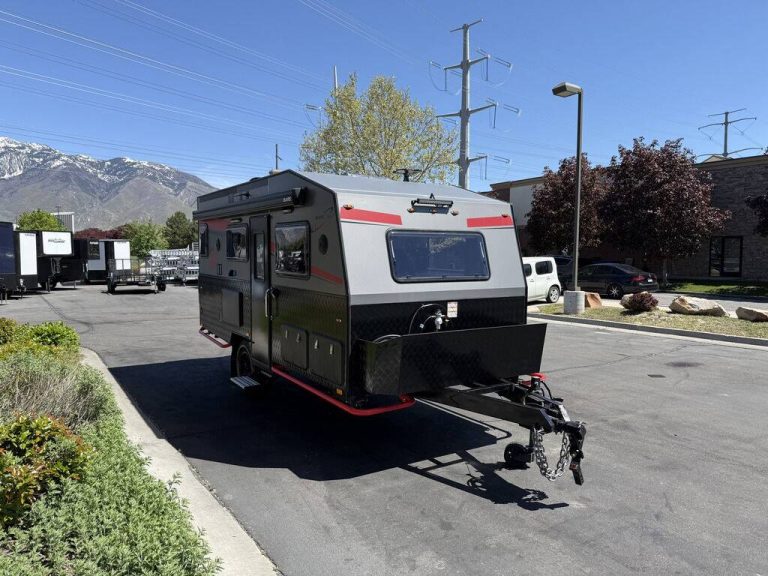
An outback camper is a rugged, off-road-capable camping trailer built specifically for challenging terrain and remote travel.
It’s engineered to handle environments where paved roads don’t exist—think sand dunes, rocky trails, muddy tracks, and steep forest routes. More importantly, it’s designed to operate independently, without relying on campground infrastructure.
At its core, an outback camper is:
A self-sufficient mobile basecamp
Built for off-road travel
Designed for extended off-grid living
In practical terms, that means you can camp miles away from the nearest facility and still have access to power, water, and essential comforts.
Key Differences vs Traditional Campers
The difference between an outback camper and a traditional RV isn’t just design—it’s capability.
| Feature | Outback Camper | Traditional RV |
|---|---|---|
| Terrain | Off-road | Highway only |
| Suspension | Independent | Leaf spring |
| Ground clearance | High | Low |
| Off-grid system | Solar + battery | Limited |
A traditional RV is built for convenience. An outback camper is built for access.
Where a standard travel trailer might struggle on uneven terrain, an outback camper is specifically designed to reach places most RVs simply can’t go.
Core Features of a Modern Outback Camper
To understand why the outback camper is so effective, you need to look at the systems that make it work in extreme environments.
Heavy-Duty Suspension System
A true outback camper uses an independent suspension system designed to absorb shocks from uneven terrain.
This isn’t just about comfort—it’s about durability and control.
Whether you’re driving through desert sand, rocky trails, or washboard roads, the suspension keeps the trailer stable and prevents structural stress over long distances.
High Ground Clearance
Ground clearance is critical in off-road travel.
Most outback campers offer at least 15 inches of clearance, allowing them to pass over obstacles without damaging the undercarriage.
This is what makes it possible to access remote campsites that would be completely off-limits to standard RVs.
Off-Grid Power System
One of the defining features of an outback camper is its ability to operate without external power.
Typical systems include:
Roof-mounted solar panels
Lithium battery storage
Integrated power management systems
These setups allow you to stay off-grid for days—or even weeks—without needing hookups.
This is especially important as more travelers adopt remote work lifestyles. Reliable power isn’t just a convenience anymore—it’s a necessity.
Water and Storage Capacity
Outback campers are designed for extended travel.
That means:
Larger freshwater tanks
Efficient water systems
Smart storage layouts
Proper water system maintenance becomes essential during long trips, which is why understanding guides like RV water system maintenance tips can make a significant difference in reliability during off-grid travel.
Compact and Functional Layout
One of the biggest trends in the U.S. market is lightweight efficiency.
Modern outback campers prioritize:
Compact footprints
Multi-purpose spaces
Reduced towing weight
This aligns with a key insight from experienced travelers: smaller, lighter trailers often perform better in off-road conditions and are easier to tow over long distances.
How to Choose an Outback Camper (Step-by-Step Guide)
Choosing the right outback camper isn’t about finding the biggest or most feature-packed option—it’s about matching the camper to your travel style.
Step 1: Define Your Travel Style
Start with how you plan to use your camper:
Weekend trips vs multi-week expeditions
Solo travel vs family travel
Casual camping vs hardcore overlanding
Your use case determines everything else.
Step 2: Check Tow Vehicle Compatibility
Your tow vehicle plays a critical role.
Most U.S. travelers use:
Pickup trucks
SUVs with towing capacity
Understanding towing setup is essential. If you’re new to this, learning how to properly set up your towing system—like in this guide on weight distribution hitch setup—can dramatically improve safety and handling.
Step 3: Evaluate Terrain Capability
Ask yourself:
Will you be traveling in deserts?
Mountain trails?
Forest service roads?
The more extreme the terrain, the more important suspension, clearance, and durability become.
Step 4: Analyze Off-Grid Needs
Your off-grid requirements depend on how long you plan to stay remote.
Consider:
Power usage (devices, fridge, lighting)
Water consumption
Connectivity needs
This is especially relevant as remote work continues to grow across the U.S., turning campers into mobile offices.
Step 5: Consider Size and Weight
Here’s a rule many experienced travelers agree on:
The more off-road you go, the smaller your camper should be.
Larger campers offer comfort—but smaller ones offer access, flexibility, and easier towing.
Outback Camper Setup Guide (Practical Use)
Owning an outback camper is one thing—using it effectively is another.
Before Departure Checklist
Before hitting the road:
Fully charge batteries
Fill water tanks
Adjust tire pressure for terrain
Inspect hitch and connections
Preparation is what separates smooth trips from stressful ones.
Campsite Setup Steps
Once you arrive:
Choose a safe, level location
Stabilize the camper
Deploy external structures (tent, awning)
Connect your power system
Set up your cooking and living area
Efficiency matters, especially when setting up in remote or changing conditions.
Off-Grid Efficiency Tips
To maximize your time off-grid:
Use solar power during peak daylight
Monitor battery levels daily
Conserve water whenever possible
Plan energy usage around essential needs
These small habits can significantly extend your stay without needing resupply.
Use Cases: Where Outback Campers Excel
The real strength of an outback camper is where it can take you.
Desert and Southwest Regions
States like Utah, Arizona, and Nevada offer vast open land and incredible landscapes.
Outback campers thrive here because:
Terrain is rugged but accessible
Public land is abundant
Off-grid camping is widely allowed
Mountain and Forest Roads
In places like Colorado and the Pacific Northwest:
Terrain becomes more technical
Weather conditions vary
Access requires higher capability
This is where suspension and ground clearance truly matter.
Long-Term Overlanding Trips
For extended travel:
Self-sufficiency becomes essential
Storage and system reliability matter more
Comfort and efficiency must balance
Common Mistakes to Avoid
Even with the right outback camper, mistakes can limit your experience.
Choosing a camper that’s too heavy
Ignoring suspension quality
Underestimating power needs
Overestimating off-road capability
One of the most common lessons from experienced travelers:
Lighter and simpler setups often perform better.
Outback Camper Terminology Explained
Understanding key terms helps you make better decisions.
Overlanding: Long-distance, self-reliant travel
Boondocking: Camping without hookups
Ground clearance: Distance between chassis and ground
Payload: Maximum load capacity
Off-grid system: Power and water systems for автоном use
FAQs
What is an outback camper?
An outback camper is an off-road-capable trailer designed for remote, self-sufficient camping in rugged environments.
Can you live off-grid with an outback camper?
Yes. With proper solar, battery, and water systems, an outback camper can support extended off-grid living.
Are outback campers suitable for beginners?
Yes, especially smaller and lighter models. They are easier to tow and manage while still offering strong off-road capability.
What size outback camper is best?
For off-road travel, smaller and lighter campers are generally more practical and capable.
Do you need a 4WD vehicle?
A 4WD vehicle is recommended for serious off-road travel, but not always required for moderate terrain.
Why Outback Campers Are the Future of RV Travel
The rise of the outback camper reflects a deeper shift in how people want to travel.
It’s no longer about staying connected to infrastructure—it’s about disconnecting from it.
Travelers today are prioritizing:
Freedom over convenience
Access over luxury
Experience over routine
And that’s exactly what an outback camper delivers.
For brands like Mars, this isn’t just a product category—it’s a philosophy:
Freedom, durability, and smart off-grid design built for real-world adventure.