Table of Contents
1. What Is a Mobile Habitat?
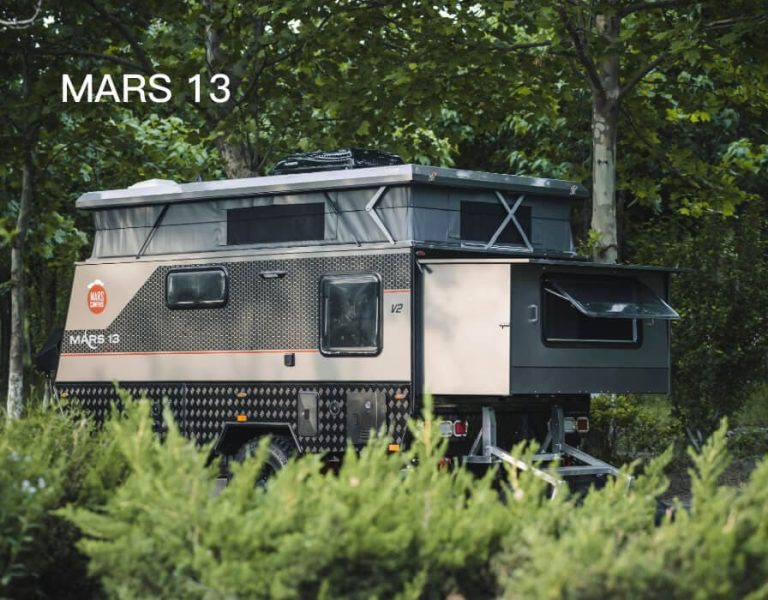
A mobile habitat is a portable, reconfigurable dwelling designed for flexible human use — whether full‑time residence, travel living, remote work, or adaptable space in remote environments. Unlike fixed houses, mobile habitats are engineered to be moved, often operate off‑grid, and integrate essential systems like power, water, and waste management directly within the unit.
Definition & Core Concept
At its core, a mobile habitat is built for mobility and self‑sufficiency. It may take forms such as compact off‑grid units, trailer‑mounted modular homes, tiny homes on wheels, or work/live cabins that combine functionality and transportability.
While tiny homes are a related concept centered on minimalist living, mobile habitats emphasize transportability and multifunctionality, often designed to support remote living and working scenarios.
Difference from Traditional Housing
Key differences between a mobile habitat and traditional housing include:
Portability: Can be relocated with minimal site dependency.
Off‑Grid Capability: Often integrates solar power, water harvesting, and waste systems.
Modular & Flexible: Interiors adapt to living, workspace, or travel uses.
Lower Land Dependence: Many units don’t require permanent foundations.
2. Mobile Habitat Design Principles
Design is fundamental to making mobile habitats functional and livable. These underlying principles ensure comfort, efficiency, and adaptability.
Flexibility & Modular Design
A strong mobile habitat design prioritizes modularity. Units use configurable panels, fold‑out sections, and multipurpose spaces that transform for various activities — living, working, sleeping, or storage.
For example, chairs may double as storage benches, and workstations can fold into walls when not in use to maximize floor area.
Space Efficiency
Because mobile habitats operate within limited square footage, every inch must serve a purpose. Built‑in furniture, optimized storage, and strategic layout planning help maximize usable space without sacrificing comfort.
Human‑Centered Functionality
Comfort isn’t sacrificed for mobility. Smart lighting, ergonomic surface heights, ventilation paths, and zoning (such as separate work and rest areas) help maintain well‑being in compact habitats.
3. Benefits of Mobile Habitat Living
Interest in mobile habitats isn’t just aesthetic — it’s anchored in practical, measurable benefits.
Adaptability
Mobile habitats empower people to live, work, and travel fluidly. Whether relocating for seasonal climates or embracing a nomadic lifestyle, these units provide a home base without traditional constraints.
For many remote workers, this adaptability supports evolving work patterns that value location freedom and minimal commuting.
Lower Environmental Footprint
Mobile habitats often incorporate sustainable design elements like solar energy systems, rainwater harvesting, and efficient thermal insulation. These features reduce dependence on centralized utilities and lower environmental impact when compared with conventional housing.
Cost Efficiency (Operational)
Owning a mobile habitat can significantly reduce monthly housing expenses. Operating costs for power and water can be lower due to integrated off‑grid systems and renewable energy use. According to adaptive housing studies, mobile living setups can reduce lifetime accommodation expenses by 40–60% compared to traditional housing plus rental or hotel stays.
Examples & Data
Some mobile homes integrate roof‑mounted solar arrays, generating daily power to run essential appliances without grid reliance. In field applications, units operating in remote sites have maintained comfortable interior climates using compact renewable energy systems alone.
4. Sustainable Mobile Habitat Solutions
Sustainability is a key trend driving mobile habitat interest, especially among environmentally conscious and remote living audiences.
Renewable Energy Integration
Solar panels combined with advanced battery storage systems allow mobile habitats to operate independently of external electrical infrastructure. This supports live, work, or travel uses far from traditional utility grids.
Water & Waste Management Techniques
Modern mobile habitats incorporate:
Rainwater harvesting systems – capture and filter rainwater for domestic use.
Greywater recycling – repurposes lightly used water for irrigation.
Composting toilets – reduce water use and waste.
These systems not only support longer stays in remote areas but also align with global sustainability priorities in housing design.
Eco‑Materials & Construction
Lightweight, recycled, or low‑VOC materials are increasingly used to reduce environmental impact and improve indoor air quality.
5. Mobile Habitat Construction Techniques
Creating a functional mobile habitat involves careful planning from material selection to assembly.
Material Selection
Durable yet lightweight materials — such as engineered wood, recycled steel frames, and composite panels — help reduce overall weight while maintaining structural integrity for repeated relocations.
Modular Assembly
Prefabricated sections are built off‑site and assembled on a mobile chassis or platform. This technique speeds construction and ensures quality control.
Transportation & Deployment
Once built, mobile habitats are transported via trailers, specialized vehicles, or towing systems. Deployment involves leveling, securing, and connecting onboard systems (power, water, waste) for immediate functionality.
Checklist: Construction Steps
Design & Blueprint Finalization
Material Procurement
Modular Fabrication
System Integration (Power, Water, Waste)
Interior Functionality Installations
Transport & Site Setup
6. Global Market Overview
The global mobile habitat market is expanding as demand for flexible, sustainable living spaces grows across continents.
Market Demand by Region
North America: Strong interest driven by remote work trends and rising housing costs; mobile habitats offer alternatives to urban living.
Europe: Regulatory adaptations in some countries are enabling greater adoption of mobile dwellings and sustainable housing variants.
Asia Pacific: Growing middle classes and compact city living fuel interest in efficient, flexible housing parameters.
Africa & Middle East: Emerging interest in adaptable habitats for remote work camps and eco‑oriented living.
Trends & Growth Drivers
Remote work & digital nomadism — more professionals are searching for mobile lifestyle options with integrated workspaces.
Sustainability focus — eco‑friendly features and off‑grid capability are increasingly important search terms.
Housing affordability pressures — with traditional housing costs rising, mobile habitats offer lower recurring expenses.
Market Stats & Adoption Data
In recent reports, the number of mobile and modular dwellings adopted by remote workers and nomadic lifestyle seekers has grown consistently year‑over‑year, with technology and sustainable features leading consumer priorities.
7. How to Plan Your Mobile Habitat
Creating your ideal mobile habitat requires thoughtful planning.
Needs Assessment
Determine primary uses — full‑time living, remote working space, travel, or mixed use. This guides how the interior layout, utility systems, and storage solutions are configured.
Site or Usage Type Determination
Are you planning seasonal travel, rural placement, or semi‑permanent stationing? Site choice will impact system requirements (solar exposure, water catchment potential, legal considerations).
Design Selection Checklist
Sufficient living & workspace zones
Off‑grid capabilities (power, water, waste)
Modular elements for flexibility
Robust construction materials
8. Case Studies: Mobile Habitat in Action
Mobile habitats are no longer niche.
Disaster Response
Mobile habitat units have been deployed rapidly in disaster zones, offering immediate, self‑contained shelter and support facilities without extensive infrastructure.
Remote Work & Travel
Many digital nomads convert mobile habitats into mobile offices with high‑speed connectivity and ergonomic workspaces — supporting productivity anywhere from national parks to rural towns.
Emergency Healthcare Units
Adaptable mobile habitats serve as field clinics with rapid deployment capability — crucial in remote or underserved regions.
9. FAQs
What counts as a mobile habitat?
A mobile habitat is any transportable living environment engineered for relocation, self‑sufficiency, and integrated utilities.
Are mobile habitats sustainable?
Yes — most feature renewable energy systems, water recovery, and eco‑materials to reduce environmental impact.
Can you live permanently in a mobile habitat?
Many people do, especially those seeking flexibility, affordability, and off‑grid independence.
What regulations impact mobile habitat deployment?
Zoning laws and building codes vary widely by region and can affect where mobile habitats can be stationed or lived in long term.
10. Conclusion & Future Outlook
As remote work continues to expand and sustainability takes center stage in housing preferences, mobile habitats are set to become a mainstream lifestyle and living option — uniting flexibility, eco‑conscious design, and functional independence.
Whether you’re planning a mobile work‑and‑live solution, a travel lifestyle, or an off‑grid retreat, mobile habitats offer an innovative path forward in a changing living landscape.