Table of Contents
1️⃣ What Is an Off Grid Living Trailer?
Understanding Off Grid Living Trailers
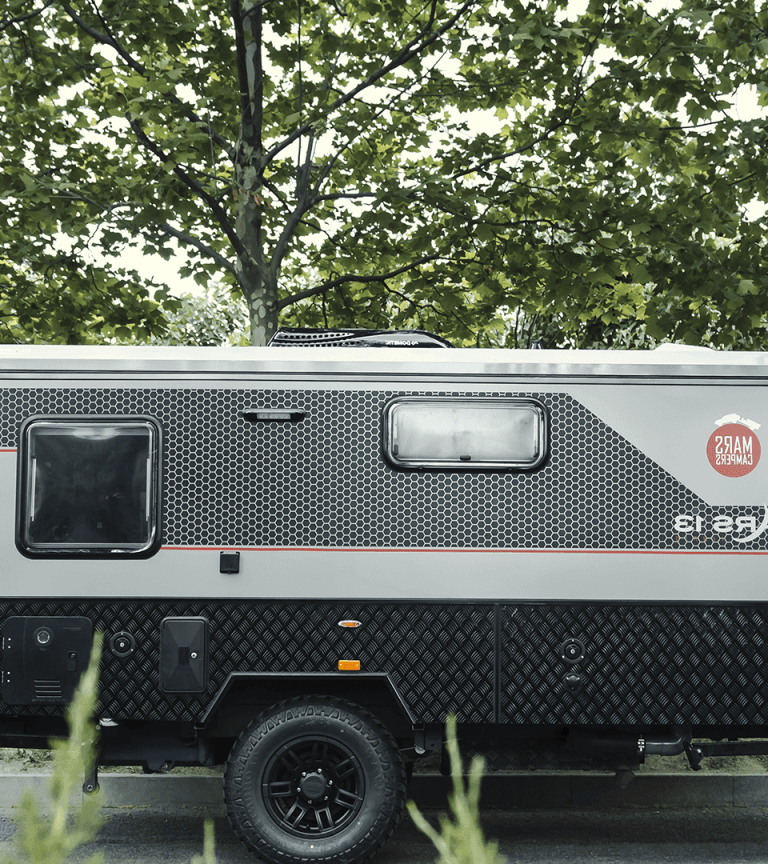
An off grid living trailer is a towable living space designed to operate independently from external utility hookups. Unlike standard travel trailers or campers that rely heavily on campground electricity and water, off-grid trailers are built around self-sufficient systems.
Core characteristics include:
Independent power systems (solar, batteries, inverters)
Onboard freshwater storage and filtration
Grey and black water management systems
Efficient layouts designed to conserve energy and resources
Compared to a typical travel trailer or camper, an off grid living trailer prioritizes autonomy over convenience. The goal is not luxury hookups, but the ability to live comfortably in remote or undeveloped locations.
Why Off Grid Living Trailers Are Growing Globally
This growth is driven by different factors across regions:
North America: Boondocking, remote work, and rising interest in mobile lifestyles
Australia: Long-distance outback travel where utilities are scarce
Europe: Eco-living, sustainability, and stricter campsite access rules
Across all regions, travelers are looking for flexibility, independence, and reduced reliance on fixed infrastructure—making off grid living trailers increasingly attractive.
2️⃣ Off Grid Living Trailer Setup Guide
Step-by-Step Off Grid Living Trailer Setup Guide
Step 1: Site Selection & Leveling
Choose stable ground away from flood zones
Level the trailer to protect appliances and plumbing
Step 2: Power System Initialization
Deploy solar panels or confirm exposure
Check battery charge levels
Power up inverter and monitoring systems
Step 3: Water & Waste Setup
Verify freshwater tank capacity
Inspect filtration and pump operation
Ensure waste tanks are empty and valves secure
Step 4: Daily System Checks
Monitor power usage
Track water consumption
Inspect connections for leaks or wear
This structured setup routine reduces system strain and prevents early failures.
Common Setup Mistakes to Avoid
Many first-time off-grid travelers encounter the same issues:
Underestimating daily energy consumption
Inadequate water planning
Poor ventilation leading to moisture buildup or overheating
Avoiding these mistakes early improves comfort and system longevity.
3️⃣ Off Grid Living Trailer Power System Explained
Power System Basics for Off Grid Living Trailers
The off grid living trailer power system is the backbone of self-sufficient travel. Most systems include:
Solar panels to generate renewable energy
Battery banks to store power for night and low-sun periods
Inverters and controllers to manage and convert power
Energy monitoring tools to track usage
Because power capacity is limited, efficiency matters more than raw output.
Estimating Daily Power Needs
Understanding consumption is critical for off-grid success.
Typical daily loads may include:
Lighting and ventilation
Refrigeration and cooking support
Charging laptops and communication devices (remote work)
Seasonal differences matter:
Winter often increases heating and lighting demand
Summer increases ventilation and cooling loads
Many off-grid travelers use simple consumption tables to balance usage against available power.
4️⃣ Off Grid Living Trailer Checklist
Essential Off Grid Living Trailer Checklist
Power
Batteries fully charged
Solar output verified
Inverter functioning properly
Water
Freshwater capacity confirmed
Filtration system operational
Safety
Fire extinguisher accessible
Smoke and CO detectors working
This checklist supports both short trips and long-term off-grid stays.
5️⃣ Off Grid Living Trailer for Full Time Living
Can You Live Full Time in an Off Grid Living Trailer?
Full-time living is realistic, but it requires adaptation:
Resource awareness becomes part of daily life
Schedules adjust to power and water availability
Maintenance becomes routine rather than occasional
This lifestyle suits people who value independence and simplicity over constant convenience.
What Matters Most Long Term
For extended use, certain factors matter more than others:
Storage efficiency: Every item must earn its space
Climate adaptability: Insulation, airflow, and heating strategies
Maintenance routines: Preventive care reduces breakdowns
Long-term success depends more on habits than equipment.
6️⃣ Global Use Cases & Real-World Scenarios
How People Use Off Grid Living Trailers Worldwide
Use cases vary by region:
North America: Seasonal travel combined with remote work
Australia: Long-range off-grid exploration across remote landscapes
Europe: Short-stay eco travel and minimalist touring
These differences highlight the versatility of off grid living trailers.
Typical User Profiles
Common user groups include:
Solo travelers seeking independence
Couples downsizing their lifestyle
Digital nomads blending work and travel
7️⃣ FAQs
What is an off grid living trailer?
A self-sufficient trailer designed to operate without external utilities
How does an off grid living trailer get power?
Through solar, batteries, and power management systems
Can you live full time in an off grid living trailer?
Yes, with proper planning and lifestyle adjustments
How much maintenance is required?
Regular checks of power, water, and waste systems
Is off grid trailer living safe year-round?
Yes, when systems are maintained and climate is considered
8️⃣ Key Terms & Definitions
Off Grid Living Trailer Terminology
Off-grid ready: Designed for independent operation
Battery bank: Group of batteries storing energy
Inverter: Converts battery power into usable electricity
Grey / black water: Wastewater from sinks and toilets
Energy autonomy: Ability to operate without external power
Final Thoughts on Off Grid Living Trailers
An off grid living trailer represents more than a travel option—it’s a shift toward independence, efficiency, and intentional living. As global interest in off-grid travel and remote lifestyles continues to rise, these trailers offer a flexible solution for modern explorers.
The key takeaway is simple: success off-grid depends less on size or complexity and more on planning, efficiency, and daily habits.