Table of Contents
I. Above-the-Fold Summary
If you’re wondering what to do in camping, this guide gives you clear, practical ideas for activities, skills, and routines you can enjoy outdoors. It’s designed for beginners, families, outdoor travelers, and anyone planning a relaxing or adventurous trip. You’ll learn essential camping activities, safety practices, global trends, night activities, beginner tips, and ready-to-use checklists. Whether you want adventure, quiet nature time, or meaningful moments with friends and family, this guide provides step-by-step activities you can apply to any campsite. From hiking and outdoor cooking to stargazing and fire-side gatherings, here’s everything you can do to make your camping experience unforgettable.
II. Introduction: What Does “What to Do in Camping” Mean?
2.1 Definition of Camping Activities
Camping is more than setting up a tent—it’s a combination of outdoor recreation, exploration, survival skills, and relaxation. Activities range from hiking and cooking to wildlife observation and nighttime stargazing. Some campers focus on skill-building: firemaking, navigation, or tent setup. Others prioritize quiet moments: journaling, photography, or enjoying nature. Modern camping has evolved to include mindfulness practices, physical challenges, educational activities, and creative experiences that help people disconnect from daily life and reconnect with nature.
2.2 Global Growth of Camping
Camping has become one of the world’s fastest-growing outdoor hobbies. The global outdoor recreation market has expanded at 8–12% annually, driven by health awareness, eco-friendly travel trends, and a shift toward slower, nature-based lifestyles.
Key growth regions include:
USA & Canada — national park camping, hiking, family adventures
Australia — off-grid travel culture and wide-open landscapes
Germany & France — strong family camping traditions
Japan — minimalist and “slow camping” trend focused on simplicity
After 2020, millions of people adopted nature-focused travel, making camping one of the top activities for mental wellness, recreation, and digital detox.
III. Core Camping Activities
3.1 What to Do in Camping Activities
For all experience levels, these classic camping activities are universal:
Trail hiking in forests or mountains
Fishing in lakes or rivers
Outdoor cooking or grilling
Stargazing under low-light skies
Nature and wildlife photography
Campfire gatherings with friends
Exploring local trails and hidden paths
Swimming, kayaking, or paddling
Relaxing by the campfire with music or stories
These activities combine exploration, physical movement, and relaxation, making them suitable for all types of campers.
3.2 What to Do in Camping for Beginners
If you’re new to camping, start with activities that build confidence and comfort:
Practice simple tent setup before your trip
Learn basic fire skills such as ignition, safety, and wood placement
Take easy nature walks to explore without complexity
Cook beginner-friendly outdoor meals like grilled vegetables or one-pan dishes
Learn navigation basics using maps, compass, or GPS apps
Try short hikes to build stamina and get used to carrying essential gear
Beginner activities should focus on learning, enjoyment, and safety rather than high difficulty or long distances.
3.3 What to Do in Camping With Family
Family camping emphasises bonding, shared activities, and child-friendly routines:
Family games (cards, frisbee, outdoor treasure hunts)
Group cooking where everyone helps prepare meals
Exploration time with safety boundaries
Nature scavenger hunts that teach kids about plants or wildlife
Simple shelter-building lessons to encourage creativity and teamwork
Story circles around the fire for connection and fun
Family camping creates memorable experiences, strengthens relationships, and helps children build confidence outdoors.
3.4 What to Do in Camping at Night
Night is one of the most magical parts of camping:
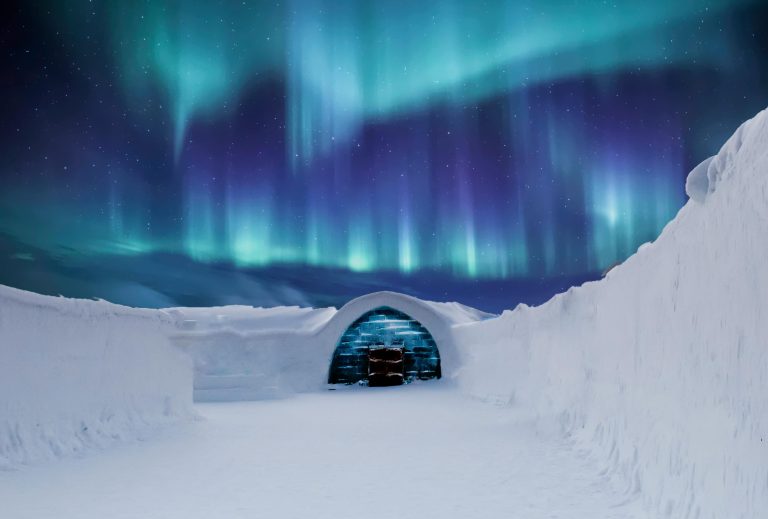
Stargazing under a clear sky
Night walks using headlamps or flashlights
Campfire storytelling or acoustic music
Night photography for advanced or beginner-level creators
Hot drink gatherings with tea, cocoa, or herbal drinks
Shadow games, constellation spotting, or quiet meditation
Nighttime offers peace and beauty that many campers find to be the highlight of their trip.
IV. Step-by-Step Guide: How to Plan What to Do During Camping
Step 1: Choose Your Location
Your activities depend heavily on where you camp.
Options include:
Forests for quiet, shaded trails
Lakesides for swimming and fishing
Mountains for scenic hikes
National parks for structured trails and safe campgrounds
Step 2: Build a Day Activity Schedule
Sample structure:
Morning: hiking, exploring, photography
Afternoon: cooking, rest, games, water activities
Evening: campfire, night walk, stargazing
A balanced schedule helps prevent fatigue and keeps everyone engaged.
Step 3: Check Weather & Prepare Gear
Weather determines what you can safely do.
Always prepare:
Layered clothing
Sleeping bags or mats suitable for nighttime temperature
Rain gear or sun protection
Emergency and first-aid kits
Step 4: Plan Food & Water Logistics
Food is a major part of the camping experience:
Plan breakfast, lunch, dinner, and snacks
Bring or prepare water filtration systems
Choose easy outdoor meals to save time
Step 5: Add Optional Adventure Activities
Based on your location:
Kayaking or canoeing
Mountain biking
Bird watching
Rock scrambling or bouldering
Photography expeditions
This step lets you customize your camping experience around outdoor interests.
V. Activity Lists
5.1 Physical Activities
Great for fitness and exploration:
Trail hiking
Rock climbing or scrambling
Canoeing or kayaking
Mountain or gravel cycling
Trail running
Swimming in lakes or rivers
5.2 Relaxation Activities
Perfect for campers seeking a peaceful retreat:
Hammock relaxation
Journaling or sketching
Yoga or stretching
Meditation or quiet reflection
Reading a book by the fire
5.3 Social Activities
Camping is highly social, making these activities ideal:
Card games
Group cooking sessions
Fire pit conversations
Group hikes
Outdoor team games (catch, frisbee, relay races)
5.4 Outdoor Education Activities
Great for learning and building lifelong skills:
Map and compass navigation lessons
Plant identification
Animal tracking basics
Leave No Trace practice
Fire safety training
Basic survival skills
These activities make camping more meaningful and educational.
VI. Safety Checklist
Safety is essential for any camping trip. Always practice:
Fire safety (controlled pit, water nearby, proper extinguishing)
Food safety (bear boxes, sealed containers, elevated storage)
Weather checks before and during your trip
Emergency communication tools
First-aid readiness with bandages, antiseptics, medicines
Water purification methods for rivers or lakes
Wildlife awareness (distance rules, no feeding, safe behavior)
Following this checklist helps prevent accidents and ensures a safe environment for all campers.
VII. Global Camping Trends
7.1 Region-Specific Camping Behavior
Different countries have different camping cultures:
USA: A mix of RV, tent, and national park camping
Europe: Strong family camping tradition and structured campgrounds
Australia: Popularity of off-grid, remote-area camping
Japan: Minimalist “slow camping” emphasizing calm and simplicity
7.2 Trend Data
Recent trends show:
An increase in multi-day camping trips globally
Growing interest in night camping activities such as stargazing
Outdoor influencers and social media boosting nature-focused lifestyles
More people choosing outdoor hobbies for mental wellness
Rising demand for simple, low-impact, sustainable camping
VIII. Glossary
Campfire cooking: Preparing meals over open flame or coals.
Backcountry camping: Remote camping away from facilities.
Navigation basics: Map, compass, and GPS skills.
Leave No Trace: Environmental principles for minimizing impact.
Overnight camping: Staying outdoors for one or more nights.
IX. FAQ
1. What activities can beginners do while camping?
Simple hikes, tent setup practice, campfire cooking, and nature walks.
2. What are fun things to do at night while camping?
Stargazing, storytelling, night walks, photography, and campfire gatherings.
3. What to do in camping when it rains?
Play card games, cook warm meals, relax in the tent, read, or plan the next day.
4. What activities are safe for kids during camping?
Scavenger hunts, supervised hikes, simple shelter building, and nature crafts.
5. How do I plan a camping activity schedule?
Use a morning–afternoon–evening structure with balanced physical, social, and relaxing activities.
6. What are the most popular camping activities worldwide?
Hiking, outdoor cooking, nature exploration, swimming, and stargazing.
Conclusion
Camping offers endless opportunities for adventure, learning, and relaxation. Whether you are a beginner, a family traveler, or a seasoned outdoor explorer, knowing what to do in camping helps you create a meaningful and enjoyable outdoor experience. By combining physical activities, relaxation routines, educational moments, and safe practices, your camping trip becomes more memorable and fulfilling. As global interest in nature-based travel continues to rise, camping remains one of the most accessible and rewarding ways to explore the outdoors, connect with others, and enjoy the beauty of the natural world.