Table of Contents
1. Introduction: Why Camp in National Parks?
Camping in national parks means setting up a temporary home amidst protected landscapes — from granite cliffs and alpine lakes to desert canyons and old‑growth forests. Unlike weekend backyard camping, national park camping provides immersive access to scenic wonders, pristine night skies, and ecosystems few other places can match.
Why It’s a Unique Global Experience
National parks are more than campgrounds — they are conservation landscapes designed for both preservation and public enjoyment. Staying overnight lets you:
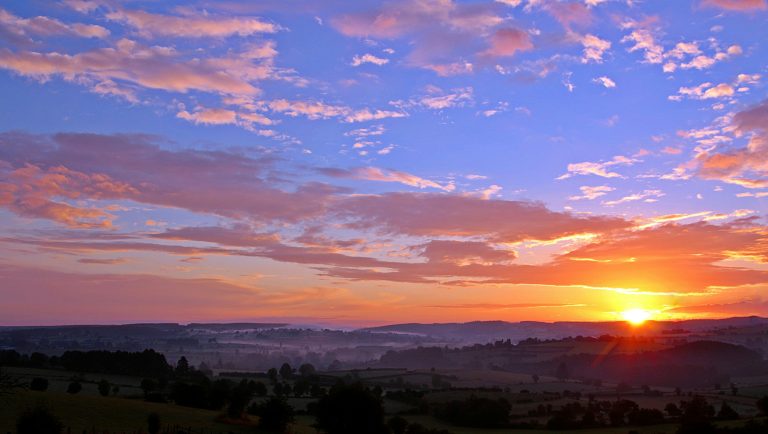
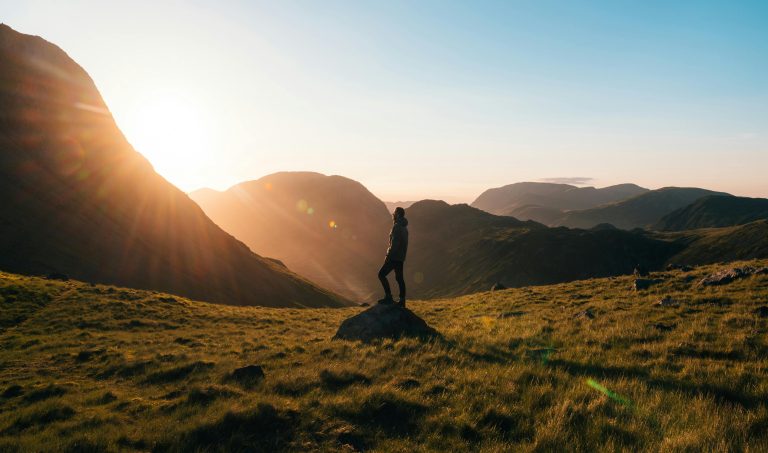
Watch sunrise and sunset from trailheads,
Listen to natural soundscapes like birds and wind,
See wildlife activity at dawn and dusk rather than just daytime hikes.
Across the globe, parks like Canada’s Banff, South Africa’s Kruger, and Australia’s Kakadu attract campers seeking natural immersion — and the U.S. parks offer equally iconic terrain at places like Yellowstone and Yosemite.
Benefits: Nature Immersion, Health & Connection
Camping encourages physical activity like hiking and carrying gear, which boosts cardiovascular health. It also helps reset circadian rhythms by encouraging natural light exposure and sleep under the stars. Beyond physical benefits, campers often report deeper connection with companions and reduced digital stress — reasons many choose parks over other destinations.
2. National Park Camping Basics
Understanding the basics of national park camping — from terminology to campground types — will help you plan wisely.
What Is National Park Camping?
In essence, it’s staying overnight on protected public land managed by agencies like the U.S. National Park Service (NPS).
Key terms you’ll encounter:
📌 Frontcountry Camping
Traditional camping in established campgrounds near roads with amenities like fire rings and restrooms.
📌 Backcountry Camping
Wilderness camping accessible only by trail or primitive access; often needs permits.
📌 Car Camping
Camping next to your vehicle in a designated site — a beginner‑friendly style.
📌 RV Camping
Using a recreational vehicle at RV‑equipped sites, often with hookups.
Types of Sites & Reservations
Most parks offer different classes of campsites:
Walk‑in Campsites: Hike from trailhead to site
Drive‑up Campsites: Park next to your tent or RV
Group Sites: Larger sites for multiple tents or large groups
Reservation requirements vary by park and season, and many fill months in advance due to demand.
(Tip: Always check the National Park Service camping section before planning.)
3. How to Plan Your National Park Camping Trip
Good planning transforms a stressful journey into an epic outdoor adventure. Here are the key steps.
Step 1 – Choose a Park
Focus on parks that match your interests and skill level. Some of the most popular national parks for camping in 2025 include:
Yellowstone
Glacier
Great Smoky Mountains
Acadia
Yosemite
Each offers a different ecosystem — from geysers and mountains to forests and coastline.
Step 2 – Reserve Campsites
Camping reservations are essential in peak seasons. Frontcountry sites often open up 6 months in advance on platforms like Recreation.gov, and popular parks fill quickly. If your first choice is booked:
Try shoulder seasons (spring/fall),
Consider first‑come, first‑served sites,
Look at private or nearby Forest Service land.
Step 3 – Check Regulations
Before you go:
Confirm park permits and reservation policies,
Learn Leave No Trace principles to protect the environment, and
Understand fire regulations (especially in dry regions).
Leaving your campsite as you found it is crucial for ecology and future campers.
Step 4 – Prepare Itinerary & Gear
Draft a simple day‑by‑day plan including:
Arrival/departure,
Meals,
Hikes and activities,
Backup plans for weather or closures.
Plan gear around climate and terrain — from cold mountains to desert nights.
4. Camping Gear Checklist
An actionable national park camping checklist keeps you ready.
Essential Gear
Tent & stakes
Sleeping bag rated for expected temps
Stove & fuel
Meals & Hydration
Food storage (bear‑aware containers where required)
Water filter or purification
Cook kit + utensils
Safety & Navigation
First aid kit
Maps / GPS (offline)
Flashlight / headlamp
Optional (Climate Dependent)
Insect nets
Ice traction devices
Sun protection
5. Top Tips & Best Practices
⛺️ Set Up Before Dark
Arrive early to avoid last‑minute stress finding your site.
🦉 Bear‑Aware Food Storage
Many parks require bear boxes or hanging your food bag to prevent wildlife encounters.
🔥 Fire Safety & Regulations
Use designated fire rings and follow all fire restrictions; summer conditions can change quickly.
☁ Weather Planning
Check forecast and be prepared for rapid temperature shifts — especially at high elevations.
6. Global National Park Camping Regulations
National park camping policies vary around the world but follow common themes:
United States: NPS manages reservations, permits, and campground info online and via apps.
Canada: Parks Canada has distinct rules and reservation windows.
Europe: Wild camping legality varies (e.g., Nordic countries vs UK).
Asia/Oceania: Examples include Japan and New Zealand systems.
Always check official park sites before your trip — rules change annually.
7. Safety & Wildlife Awareness
Staying safe means preparing for nature:
Wildlife encounters: Respect distance; store food securely.
Water safety: Treat all water unless labeled potable.
Temperature extremes: Know signs of hypothermia and heat stress.
Communication: Download offline maps/messages; cell service is limited.
Watch instructional videos like “how to hang food in bear country” before arrival.
8. Example Case Studies & Stats
| Park | Camper Demand | Notes |
|---|---|---|
| Yellowstone | Very High | Iconic geysers/camping, requires 6‑mo advance planning. |
| Yosemite | High | Seasonal reservations, multiple campground types. |
| Great Smoky Mtns | Return Visitors | Highest return camper rate. |
Camping data shows sustained growth in national park stays, driven by both younger campers (18–34) and retirees seeking outdoor fulfillment.
9. Frequently Asked Questions
Can I camp anywhere in a national park?
No — camping is restricted to designated sites or permitted backcountry zones.
Do I need a permit?
Many parks require reservations or permits — especially for backcountry camping.
What’s the best time of year to camp?
Spring and fall offer milder weather and lower crowds.
How do I stay safe from wildlife?
Use proper food storage and follow ranger guidelines.
10. Conclusion
Camping in national parks is a rewarding way to explore the outdoors, unplug from daily stress, and build lasting memories with family or on solo adventures.
Plan early, stay safe, and respect the land — and your next great adventure awaits!