Table of Contents
🌠 1. Introduction: What Is Dark Sky Camping?
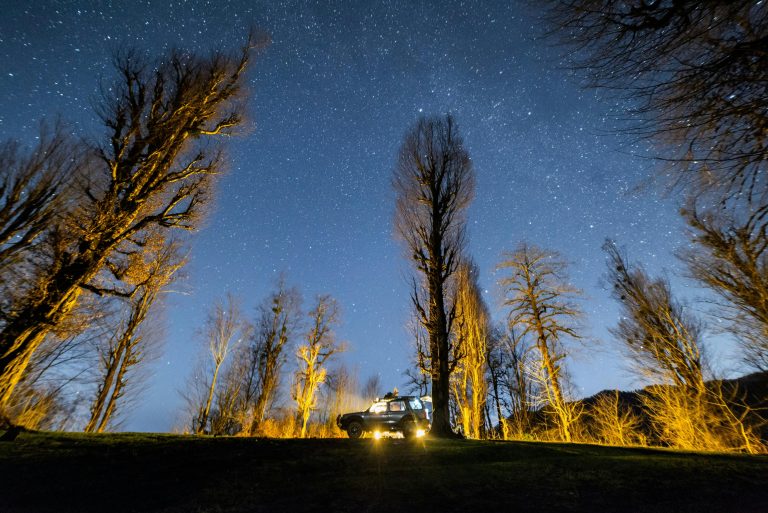
Dark sky camping refers to overnight stays in areas with very low light pollution, where stars, planets, and celestial phenomena like the Milky Way or meteor showers are vividly visible to the naked eye. Unlike typical campgrounds near towns or cities, true dark sky spots are remote, offering pristine conditions for astronomy enthusiasts and adventurers alike.
This kind of experience appeals to:
Stargazers seeking breathtaking night skies
Astrophotographers looking to capture the Milky Way in crystal detail
Nature lovers who thrive on solitude and night-time wilderness
RV campers combining overland travel with night sky exploration
In 2026, interest in dark sky camping especially in the U.S. and internationally is gaining momentum thanks to new dark sky designations, improved planning tools, and travel trends that favor off-grid, nature-first experiences.
🌌 2. What Are Dark Sky Camping Spots?
2.1 Definition: Dark Sky & Light Pollution
A dark sky camping spot is a location far from artificial lighting where the night sky’s natural darkness is preserved. These spots often have official recognition or measurable low light interference.
Two key concepts help you understand what makes a great site:
Bortle Scale – A scale from 1 to 9 that measures sky darkness (lower numbers = darker sky). The best dark sky spots for observation typically rate Bortle 1–3.
International Dark Sky Association (IDA) standards – Official designations (Parks, Reserves, Sanctuaries) given to areas that meet rigorous criteria for light pollution and conservation.
Light pollution—excess artificial light from cities or towns—scatters in the sky and washes out stars. Avoiding it is essential for clear views of the Milky Way and deep-sky objects.
2.2 Why 2026 Is a Great Year for Dark Sky Travel
Several trends make 2026 an ideal year to explore dark sky camping spots:
New Designations: Multiple parks and reserves worldwide have been newly certified or upgraded, expanding the pool of top-tier dark sky destinations.
Astronomical Events: Meteor showers, lunar cycles, and other celestial events in 2026 have peaked traveler searches for planning guides and best night sky months.
Noctourism Growth: Travelers are now seeking beyond daytime attractions—night experiences (astronomy, astrophotography) are fueling destination research.
🌍 3. Global Overview: Best Dark Sky Camping Destinations 2026
Below are some of the most sought-after dark sky camping regions, organized by continent. Each includes highlights, ideal seasons, and who it’s best for.
🌎 3.1 North America
USA
Great Basin National Park: Remote desert skies with exceptional darkness.
Big Bend National Park: Vast open horizon ideal for Milky Way photography.
Death Valley: Gold Tier dark skies plus annual Dark Sky Festival in early 2026.
Best season: Spring–Fall
Perfect for: RV travelers, photographers, stargazers
Canada
Jasper National Park: An IDA Dark Sky Preserve with mountain backdrop.
Banff National Park: Offers dramatic alpine scenery alongside pristine skies.
Best season: Summer–Fall
If you plan to travel here with an RV or camper, comprehensive RV camping logistics such as setup, towing, or off-grid readiness can be found in the [Off Road Trailer Camper Guide for Rugged Outdoor Travel] (https://www.marsrvs.com/off-road-trailer-camper-guide-for-rugged-outdoor-travel.html).
🏔 3.2 Europe
Galloway Forest Park (Scotland): Europe’s pioneering Dark Sky Park.
Sierra de Gredos (Spain): Clear skies and minimal light at altitude.
Northern Scandinavia: Dark winter skies + potential Northern Lights.
Best season: Summer for Milky Way; Winter for Aurora viewing.
🏜 3.3 Asia & Middle East
Mongolian Gobi Desert: Vast emptiness yields extremely dark nights.
Japan’s Highlands: A mix of local dark sky sites with cultural travel appeal.
Best season: Late summer–early autumn.
🏞 3.4 Oceania
Aoraki Mackenzie, New Zealand: Outstanding southern hemisphere constellations.
Outback Australia: Minimal light and desert clarity make for superb night skies.
Best season: Winter–Spring.
🌍 3.5 Africa & South America
Namibia’s Skeleton Coast: Desert darkness like no other.
South Africa’s Karoo: Astronomy tourism hub.
Patagonia (Argentina/Chile): Remote landscapes with pristine skies.
Best season: Autumn–Winter.
🧭 4. How to Choose the Right Dark Sky Camping Spot
Selecting your perfect spot requires balancing accessibility, weather, and personal preference:
4.1 Light Pollution Maps & Tools
Use interactive light pollution maps and Bortle scale overlays to target areas where light interference is minimal. Planning around new moon dates drastically improves visibility.
4.2 Accessibility & Safety
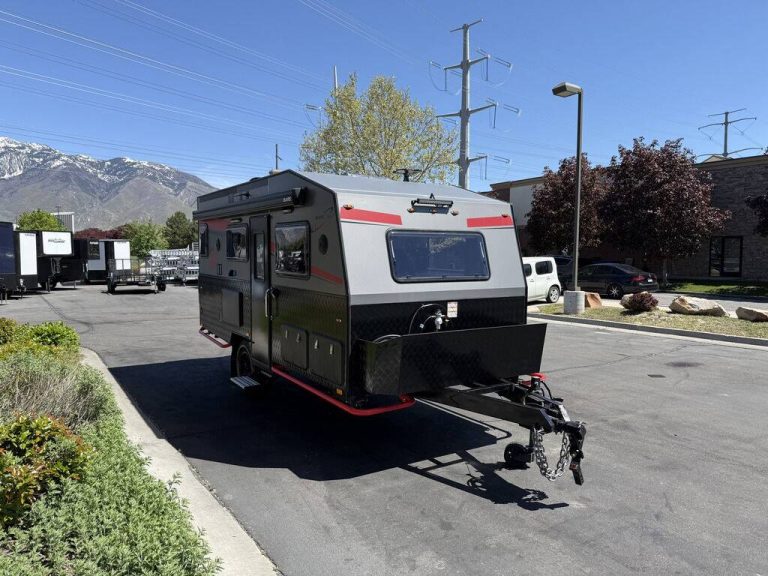
Consider road conditions, trail access, and whether you plan to bring an RV or camper. For dispersed or remote camping drives, a solid off-road or adventure camper trailer helps you reach the darkest places with confidence.
Explore our detailed guides like the [Dispersed Camping Colorado Tips & Top Spots Guide] (https://www.marsrvs.com/dispersed-camping-colorado-tips-top-spots-guide.html) that offer real-world advice on choosing remote camping locations.
4.3 Weather & Seasonal Considerations
Clear, dry nights are key. High desert and elevated terrain often outperform humid lowlands in star visibility.
🎒 5. Planning Your Dark Sky Camping Trip
5.1 Essential Gear Checklist
Star chart or astronomy app
Red-light headlamp
Weather-appropriate camping gear
Camera with manual controls (for astrophotography)
5.2 Tips for Night Sky Photography
ISO: 1600–3200
Aperture: f/2.8 or lower
Shutter: 15–30 seconds to reduce star trails
Use stacking software to enhance image clarity.
5.3 Responsible Camping & Leave No Trace
Always follow leave-no-trace principles—pack out all waste, minimize noise, and respect local wildlife.
📊 6. Case Studies & Data
6.1 Most Visited Dark Sky Parks 2025–2026
Public interest data shows parks like Great Basin and Galloway Forest Park frequently appear in star-travel itineraries and night sky photography portfolios.
6.2 Astrophotography Success Stories
Photographers share that planning trips around moon phase calendars and light pollution maps significantly improves results—turning blank skies into detailed Milky Way panoramas.
❓ 7. Common Questions
Q1. What makes a site qualify as dark sky camping?
Sites typically score low on the Bortle scale and are recognized by organizations like the IDA.
Q2. Do I need a permit to camp in these spots?
Some parks require reservations, permits, or camping fees.
Q3. When is the best time to see the Milky Way in 2026?
Spring through early autumn in the Northern Hemisphere.
Q4. Can families enjoy dark sky camping?
Absolutely—choose accessible parks and pair with kid-friendly activities.
🏁 8. Summary
Dark sky camping spots in 2026 offer an unbeatable blend of astronomy, adventure, and remote travel freedom. Whether you’re in a tent, SUV, or a rugged camper trailer, thoughtful planning and timing let you unlock starry nights like never before.
Plan your trip, pack smart, and let the cosmos be your compass.