Table of Contents
Introduction
EV Trailers: Origin, Growth & Why It Matters
The modern EV towing market emerged as EV adoption surged throughout the 2020s, especially in North America and Europe where SUVs and pickup EVs bring towing capability mainstream. As EV sales grow year‑over‑year, truck‑style EVs and adventure vehicles have sparked a parallel demand for trailers that don’t dramatically shorten driving range. Enthusiast communities frequently ask about range effects when towing — with aerodynamic drag often cited as the biggest efficiency culprit.
Key Definitions & Terminology
Understanding aerodynamic trailers begins with some core concepts. Below is a simple reference table:
| Term | Definition |
|---|---|
| Aerodynamic drag coefficient (Cd) | A measure of how easily air flows around a shape — lower is better for EV efficiency. |
| Rolling resistance | Friction between trailer tires and road surface affecting energy use. |
| Tongue weight | The downward force trailer applies on vehicle’s hitch — key for stability. |
| Gross Combined Weight Rating (GCWR) | Maximum allowable combined weight of EV + trailer. |
| Energy efficiency metrics | Miles per kilowatt‑hour (mi/kWh) or % range impact during towing. |
Having these terms clear helps when comparing trailers designed for EV performance versus traditional boxy models.
Why Aerodynamics Matters for EV Towing
How Aerodynamics Works
Airflow resistance is the invisible opponent of EV efficiency. At highway speeds, aerodynamic drag becomes the dominant force working against your EV — far more than weight. An aerodynamic trailer with optimized shapes can significantly reduce the additional drag your EV must overcome, meaning better range and less energy wasted.
Drag Impact on EV Energy Use
When an EV tows a conventional square‑back trailer, drag spikes dramatically. Industry CFD data shows that aerodynamic shapes like teardrops or tapered rear ends decrease force compared to traditional profiles, meaning less energy needed per mile.
Trailer vs. EV: Who Loses More Range?
Traditional trailers with poor aerodynamics can cut range by 20‑50%, according to user observations — highlighting why specialized designs are critical for EV owners. Forum discussions emphasize that aerodynamic drag, not weight, is usually the main range killer when towing.
Visualizing this, think of air resistance as a headwind — the more streamlined the trailer, the smoother the airflow and the less energy you lose.
Global Market Landscape
The aerodynamic trailers for EV towing market isn’t just a niche hobby — it’s part of a broader shift in trailer design and EV accessory trends.
North America (U.S. & Canada)
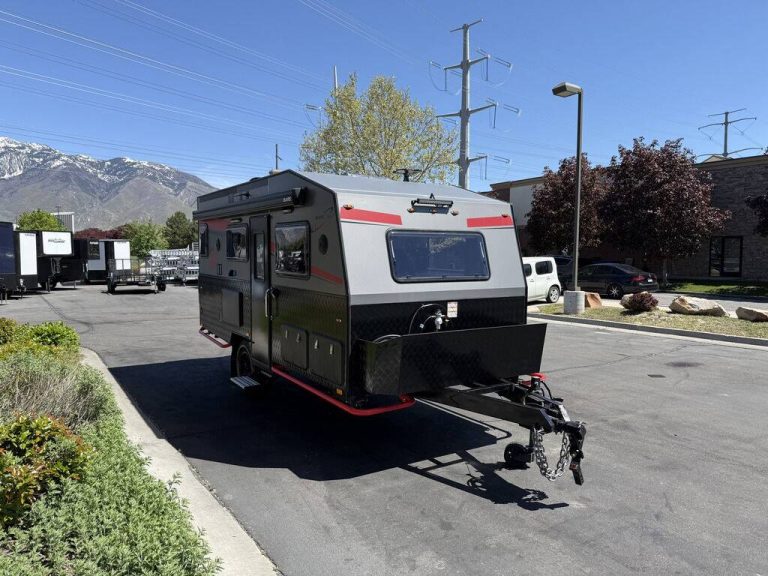
In the U.S., EV SUV and truck adoption fuels demand for EV‑friendly trailers. Digital platforms highlight designs like the solar and battery support, showcasing how EV trailer innovations are expanding.
Europe (EU Countries)
Europe’s focus on sustainability and emissions standards pushes trailer manufacturers to adopt efficient shapes and materials. Teardrop and streamlined profiles are especially popular among campers and touring trailers.
Asia‑Pacific (China, Japan, Australia)
In China and parts of Asia, EV registration rates continue climbing, driving interest in compatible accessories like lightweight, aerodynamic towables. Major automotive trends in lightweight and aero tech influence trailer design as well.
Other Regions (Middle East, South America)
Recreational towing and off‑road EV use are emerging as lifestyle trends in other regions, though infrastructure gaps and regulatory differences mean slower adoption compared to North America and Europe.
Macro Trends Driving Demand
Across regions, a few common forces are shaping the market:
EV penetration growth
Adventure tourism and RV lifestyle increases
Desire for energy‑efficient, sustainable travel equipment
Technological innovation in aerodynamics and materials
How to Choose an Aerodynamic Trailer for EVs
Selecting the right aerodynamic trailer can feel overwhelming. Here’s a practical step‑by‑step checklist:
1. Confirm Tow Capability and Vehicle Compatibility
Check EV’s GCWR and hitch ratings.
Confirm trailer weight and tongue weight align with your EV specs.
2. Evaluate Trailer Aerodynamics
Look for features such as tapered ends, smooth underbodies, and CFD‑validated designs.
Compare drag coefficients where available.
3. Assess Weight & Materials
Lightweight materials like composites and aluminum improve efficiency.
4. Prioritize Safety and Stability
Evaluate stability features (sway control, brake systems).
Look for designs that actively manage airflow around wheels and chassis.
5. Match to Use Case
Recreation: Cozy aerodynamic campers
Cargo: Streamlined utility trailers
Long Trips: Models with energy support systems (e.g., solar)
Design & Technology Features
Understanding cutting‑edge design elements helps you make an informed choice.
Lightweight Materials
Trailers built with advanced composites or aluminum reduce overall mass without sacrificing structural integrity.
Active & Passive Aerodynamics
Passive: Shape design that naturally reduces drag (teardrop, tapered rear).
Active: Adjustable spoilers or airflow management systems reacting to speed.
Integrated Energy Systems
Some new trailers include solar panels or onboard batteries, extending off‑grid capability.
| Feature | Benefits |
|---|---|
| Composite body | Lightweight & durable |
| Tapered rear | Reduced drag |
| Solar panels | Extended off‑grid power |
| Flat underfloor | Smooth airflow |
Common FAQs
Do aerodynamic trailers fit all EVs?
Compatibility depends on hitch ratings, GCWR, and powertrain capacity — always confirm specifications before purchasing.
How does aerodynamics affect energy use?
Drag reduction directly improves miles per kWh when towing, especially at highway speeds.
Is towing safe for EV battery life?
With proper matching of trailer and EV specs, battery life won’t be harmed significantly — proper charging cycles remain important.
Will aerodynamic trailers eliminate range loss?
No — they reduce drag, but some range loss is inevitable when towing due to additional load.
What’s next for aerodynamic trailers?
Expect more integration of energy systems (e.g., solar), smart drag‑reducing technology, and lightweight composites in the coming years.
Conclusion
Aerodynamic trailers for EV towing represent a synergy of engineering, sustainability, and lifestyle innovation. As EV adoption grows, so too will the sophistication of towable designs — making long‑distance EV travel more efficient and enjoyable.
Key takeaways:
Aerodynamics dramatically influences towing range.
Modern designs prioritize low drag, lightweight materials, and integrated energy.
Understanding vehicle compatibility and trailer specs is essential.