Table of Contents
I. Introduction: What Is BLM Camping?
What Is the Bureau of Land Management (BLM)?
The Bureau of Land Management is a U.S. federal agency within the Department of the Interior tasked with managing over 245 million acres of public land, primarily in the western states. These lands support multiple recreational uses, with camping — especially dispersed camping — a cornerstone activity.
BLM Camping vs. Traditional Campgrounds
Unlike traditional campgrounds, which may have designated sites, amenities, and fees, BLM camping often refers to primitive, undeveloped camping. These are sites without hookups, water, or sanitation, but they provide a free space to camp in nature.
What Is Dispersed Camping?
Dispersed camping means camping outside developed campgrounds on BLM land — often along secondary roads or flat areas used before but without formal infrastructure. In many cases, these locations are free, but campers must follow specific rules to preserve the land.
Why BLM Camping Is Trending in Outdoor Culture
In recent years, interest in remote camping, van life, and outdoor recreation has surged. Travelers increasingly seek autonomy and solitude, prompting higher volumes of searches for practical guides such as “BLM dispersed camping regulations” and “how long can I stay in one spot.” These trends are driven by:
Growth in RV and van travel culture
Desire for low-cost or no-cost camping
Search demand for rules to avoid fines or closures
Interest in ethical outdoor practices
II. Core BLM Camping Rules Overview
What are the essential BLM camping rules?
✔ Dispersed camping is mostly free but regulated.
✔ Stay limits typically do not exceed 14 days in one location within 28 days.
✔ Some areas require permits for overnight use.
✔ You must not damage soil, water, vegetation, or historical resources.
✔ Campfires must follow local fire restrictions.
✔ Leave No Trace principles apply.
✔ All trash, waste, and human refuse must be packed out or properly buried.
III. Dispersed Camping Regulations
What Are the blm dispersed camping regulations?
Dispersed camping refers to camping away from designated campgrounds on undeveloped BLM land. The key points include:
Allowed on public BLM land as long as it doesn’t conflict with authorized uses or protected wildlife areas.
Campsite selection should prioritize previously used flat spots to minimize impact; avoid creating new sites.
Dispersed vs. Campground Differences
| Feature | Dispersed Camping | Developed Campground |
|---|---|---|
| Fees | Free (generally) | Yes |
| Amenities | None | Toilets, water, tables |
| Permits | Rare | Often required |
| Site markers | No | Yes |
| Stay limits | 14 days (common) | Varies |
How to Find Legal Dispersed Camp Sites
Online maps, local field offices, and apps like topo maps or RV-camping guides are useful. Look for signs indicating federal land boundaries and always confirm access on the local BLM office site.
Distance from Roads & Water
BLM guidance often suggests camping at least 200 feet away from water sources to protect water quality and vegetation.
Existing Campsites vs. New Ground
Use existing cleared camping areas whenever possible. This helps protect landscapes from unnecessary disturbance.
IV. BLM Camping Permits
What Are blm camping permits?
A permit is a formal authorization that may be required:
In specific recreation areas
For group camping
For certain special use zones
Most typical dispersed camping does not require a permit on BLM land, but always check local field office rules.
Which Areas Need a Permit?
Some designated recreation sites or wilderness areas within BLM regions issue permits through recreation.gov. California’s Clear Creek or King Range areas are examples where permits may be required.
How to Apply for a Permit
Permits vary by region: some are online, others through local BLM offices. Always verify local instructions before your trip.
Day Use vs Overnight Permit
Day-use permits usually cover only parking or short recreational access, while overnight permits authorize extended stays at specific campgrounds.
V. Length of Stay Limits
What Are the blm camping stay limits?
The classic BLM rule (most western states) allows up to 14 days of camping in one location within a 28-day period. Once you hit 14 days, you need to relocate — often a minimum of 25 miles away — before camping there again.
Why These Limits Exist
Stay limits help reduce environmental damage — such as ground compaction, vegetation loss, and trash accumulation — from continuous occupancy.
Impacts on RV / Van Life Travelers
For full-time RV travelers, planning a rotation of locations ensures compliance and a more positive land stewardship experience.
VI. Campfire & Fire Restrictions
Fire Ring Guidelines
If using a fire, use established fire rings or a portable fire pan. Some areas — like California — may require a separate campfire permit.
Check Local Fire Restrictions
Every region can have specific fire bans or restrictions, especially during dry seasons. Always check local BLM fire conditions before lighting a fire.
Wildfire Risk & Safety
Safety guides emphasize drought risk, proper extinguishing, and alternative cooking (e.g., camp stoves) when fire danger is high.
VII. Leave No Trace Rules
What Are blm camping leave no trace rules?
The Leave No Trace principles are a global standard for minimizing impact. On BLM land, this means:
Pack out all garbage
Avoid disturbing vegetation
Dispose of waste properly (bury human waste 6+ inches deep away from water)
Don’t wash in streams
Respect wildlife
Leaving everything as you found it ensures sustainable access for future campers.
VIII. BLM Camping How-To (Steps & Checklist)
Step-by-Step Camping Prep
Check local rules — confirmed with BLM field office maps
Select a site — existing and flat
Check fire restrictions
Set up camp with Leave No Trace in mind
Manage water, waste, and trash
Stay aware of weather and safety risks
Pack up cleanly
Checklist Before You Go
Water supply
Trash & waste containers
Navigation & maps
Emergency gear
Leave No Trace supplies
IX. Common Mistakes & Enforcement
Frequent issues:
Staying too long in one place
Leaving trash
Ignoring fire restrictions
Camping in sensitive zones
Enforcement can include ranger education, citations, or site eviction. In one Utah incident, Rangers and local authorities enforced the 14-day limit and organized cleanup efforts due to litter and damage.
X. FAQ
Is BLM camping free?
Mostly yes for dispersed camping, but developed campgrounds may have fees.
Can I stay in one spot for a month?
No — the usual stay limit is 14 days within 28 days.
Do I need a permit for dispersed camping?
Typically no, but check local regulations.
How far from water should I camp?
At least 200 feet where possible.
Can I camp with an RV or trailer?
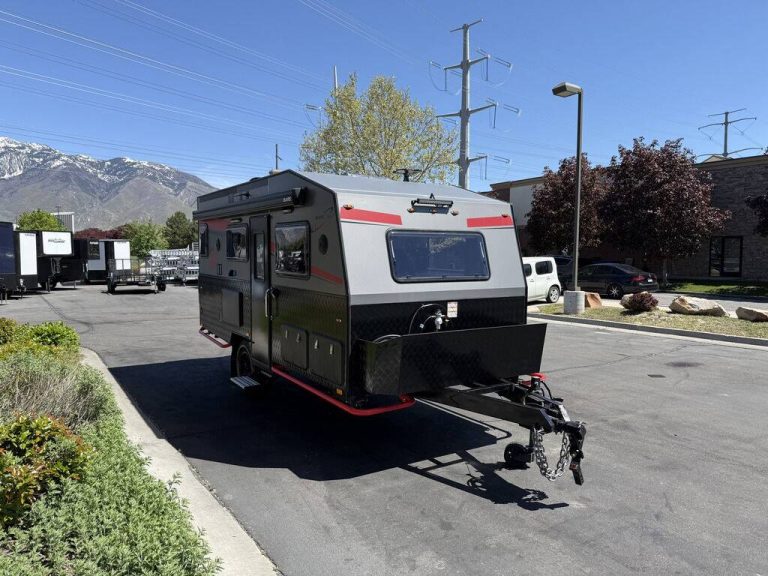
Yes — dispersed camping is open to RVs if space allows, but plan for waste disposal and water.
Are dogs allowed?
Pets are generally permitted but must be under control.
XI. Glossary
BLM: Bureau of Land Management
Dispersed Camping: Primitive camping outside developed campgrounds
Permit: Authorization for specific camping uses
Stay Limit: Maximum days allowed at a location
Fire Restriction: Rules limiting open flames
Leave No Trace: Outdoor ethics to reduce impact
XII. Conclusion
Understanding blm camping rules ensures a more enjoyable, responsible, and lawful outdoor experience. Whether you’re planning a weekend getaway or a month of trail exploration, these guidelines give you confidence and clarity. Following proper procedures protects public land for future generations..