Table of Contents
Introduction: What Are Used Off Road Campers?
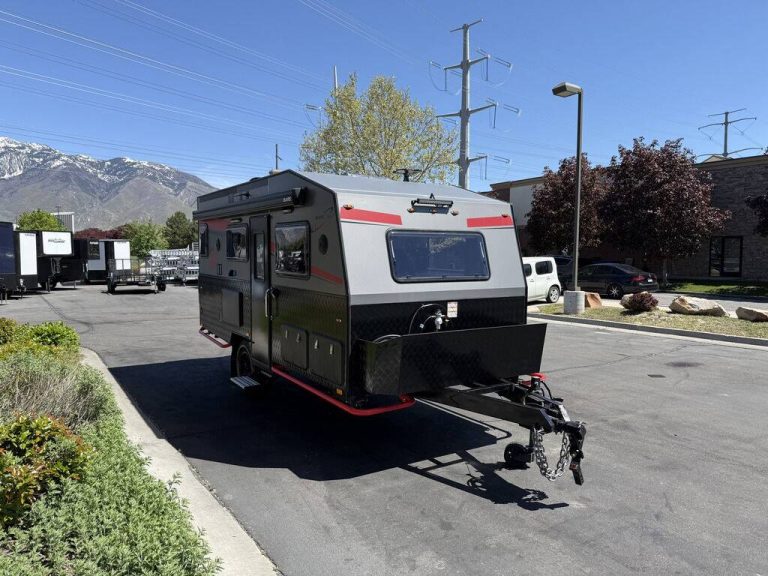
The term used off road campers refers to second-hand camping units specifically designed for rugged, unpaved terrain — whether towable trailers, truck campers, or expedition vehicles capable of remote, all-weather travel. Unlike standard RVs or travel trailers that are optimized for paved highways and campgrounds, off-road campers offer enhanced ground clearance, reinforced chassis, specialized suspensions, and off-grid living capabilities.
Why Choose Off-Road Capable Campers?
Choosing a used off-road camper allows adventurers to:
Access remote landscapes unreachable by conventional RVs.
Camp independently, often without hookups.
Stay comfortable in rugged environments with systems designed for autonomy (solar, water storage, robust suspensions).
Often save on cost compared to buying new while still accessing capable hardware.
Consumer preferences in the U.S. and beyond show a growing appetite for lightweight, modular, and sustainable builds that support extended outdoor stays and remote work lifestyles.
Global Demand Overview
North America: The U.S. especially has seen exponential interest in overlanding culture (search interest grew more than 2000% over the past decade), driving both new and used off-road camper demand.
Europe: Travelers increasingly seek self-sufficient overland adventures through Austria, Germany, Scandinavia, and the UK — aligning with broader off-road camping growth.
Oceania: Australia and New Zealand feature a strong segment of rugged outback exploration culture, further supported by custom conversions and sustainable travel trends.
Asia: Emerging markets in South Korea, Japan, and Southeast Asia have niche yet growing communities exploring overland and remote camping lifestyles.
Key Global Market Trends
Growth of Overlanding & Off-Road Travel Worldwide
“Overlanding” — defined as self-reliant, extended travel using rugged vehicles — has expanded from niche hobby to mainstream outdoor lifestyle, particularly in North America and parts of Europe. Peak seasonal search interest consistently occurs in warmer months, reflecting planning cycles for summer adventures.
This cultural shift has encouraged many travelers to invest in capable used rigs that allow boondocking and off-grid stays without reliance on campgrounds or hookups.
Influence of Social Media & Adventure Culture
With platforms like YouTube, TikTok (#RVLife), and Pinterest driving digital discovery in outdoor lifestyles, more travelers are researching remote adventures, gear setups, and camping solutions online before making a buying decision. Nearly 60 % of leisure travelers now use social media to find camping and RV destinations, underlining the importance of online visibility for relevant search terms.
Second-Hand Market Size Estimates
In the U.S., the used RV/off-road camper segment remains sizable even as new unit interest fluctuates.
European markets show growth particularly for lightweight trailer options.
Australian demand is steady, often influenced by DIY and custom conversion trends.
Sustainability & Resale Value Trends
Sustainability is increasingly a deciding factor: buyers now favor used units with solar capabilities, energy-efficient electrical systems, and durable materials that withstand extended use. Trends also indicate higher resale values for campers equipped for four-season or technologically advanced off-grid use.
How to Buy a Used Off Road Camper
1. Pre-Purchase Checklist
Before placing an offer on any used off-road camper, conduct a thorough inspection.
Inspection Checklist
Check the following critical systems:
Frame & Chassis: Look for rust, corrosion, cracks, and weld integrity.
Suspension & Axles: Ensure shocks, springs, and lift systems are road-ready.
Water and Fuel Systems: Verify no leaks, proper tank integrity, and operational pumps.
Seals & Roof: Inspect roofs and seals for moisture intrusion or past leak repairs.
Legal & Registration Considerations
Understand registration requirements in your state/country, including weight classification, road legality, and trailer/vehicle requirements (e.g., lighting, braking systems).
2. Step-By-Step Buying Process
Define Use-Case & Budget: Decide intended terrain, travel duration, and comfort priorities.
Research & Shortlist Models: Use trusted sources and internal reviews, including guides like this one and additional resources on blog.
Inspect In Person / Via Video: Always request in-depth walkthrough videos if you can’t see units in person.
Test Off-Road Conditions: If possible, observe mechanical response on gravel or uneven terrain.
Negotiate & Secure Asset Transfer: Complete inspections, vet paperwork, and arrange secure payment/title transfer.
Best Used Off Road Camper Models
Below is a breakdown by category:
1. Truck Campers
Pros: Compact, excellent articulation, simpler vehicle profile.
Cons: Limited living space relative to trailers (varies by model).
2. Camper Trailers
Pros: Flexible tow options, often larger interior/living areas.
Cons: May require heavier tow vehicles.
3. Expedition Vans
Pros: Integrated living & driving cabin; exceptional mobility.
Cons: Complex mechanical systems.
A global comparison shows truck campers and off-road trailers often dominate availability in the U.S. and Australia, while specialized expedition vans are more popular in Europe’s narrow roads and alpine routes.
Where to Find Used Off Road Campers
Locate used units through:
Online Marketplaces:
Forums & Communities: Overlanding and off-road communities often list used gear and offer peer reviews.
Auctions & Dealers: Local RV dealers sometimes offer certified pre-owned off-road campers.
Common Terms & Definitions
Off-Road Camper: A rig purpose-built for unpaved and rugged terrain.
Ground Clearance: Vertical space between lowest structure and ground.
Approach/Departure Angle: Measurement affecting terrain traversal.
Suspension Lift: Added suspension for improved clearance.
4×4 Chassis vs AWD: 4×4 systems provide true low-range gearing for rugged terrain; AWD suits lighter off-road use.
Case Studies & Market Insights
Real buyers often report that smaller, lightweight units with reliable off-grid power systems (solar/battery) facilitate longer remote stays with fewer campsite hookups. Across North America, many used buyers target rigs with strong resale value and robust mechanical health, underscoring the importance of a solid inspection checklist.
Risks & Red Flags
Before finalizing purchase, watch for:
Frame corrosion
Water damage signs
Suspension wear
Incorrect legal classification
These issues can drastically affect usability and resale value.
Frequently Asked Questions
What should I pay attention to when buying used off road campers?
Focus on structural integrity, off-grid system performance, and evidence of rugged use.
Are used off-road campers worth buying?
Yes — when properly vetted — offering value for adventurers seeking rugged exploration.
How much does a typical used off-road camper last?
With proper maintenance, many used rigs remain reliable for years, especially when corrosion and water damage are absent.
Is it better to buy from private sellers or dealers?
Private sales can offer savings, while dealers may provide warranty support or inspections.
What upgrades improve off-road performance most?
Enhanced suspension, solar/energy systems, reinforced frames, and off-road tires significantly boost capability.
Conclusion
Choosing the right used off road campers requires a blend of market awareness, careful inspection, and understanding of lifestyle needs. As trends show sustained consumer interest—particularly aligned with summer adventure planning and social media influence—this segment offers a meaningful avenue for outdoor enthusiasts to explore beyond traditional boundaries.