Table of Contents
Quick Answer
When you’re dreaming of hitting America’s backroads, national parks, and hidden campgrounds, travel trailers under 3500 lbs are often the smartest choice. They combine everyday towing ease with most of the comfort and features you want — without needing a massive truck or complicated rig setup.
This guide will walk you through every key question and step: what these lightweight trailers are, why they’re ideal for U.S. travel trends, how to choose and use them safely, and what you can realistically expect from them — all while featuring insights relevant for Mars RV explorers.
What Are Travel Trailers Under 3500 lbs?
Definition
When an RV expert talks about travel trailers under 3500 lbs, they’re referring to towable RVs designed so that their GVWR (Gross Vehicle Weight Rating) — the loaded maximum weight — does not exceed 3,500 pounds. That makes them compatible with a wide range of SUVs and mid-size vehicles instead of requiring heavy-duty trucks.
Inside that category you’ll find everything from ultra‑compact teardrop campers to slightly larger trailers that still deliver key features like kitchens and bathing areas.
Lightweight RVing is booming across the U.S., because more travelers want freedom without complexity — and this weight range hits that sweet spot.
Why This Category Is Popular in the US
There are a few major reasons Americans are flocking to trailers under 3500 lbs:
SUV Tow Trends: More families and couples in the U.S. own SUVs and crossovers than full-size trucks; these vehicles are fuel‑efficient and comfortable but have moderate towing limits. Lightweight travel trailers fit right in.
Weekend & National Park Culture: From Yellowstone to the Blue Ridge Parkway, people want easy, reliable ways to explore iconic destinations. Drivable trailers paired with versatile vehicles allow deeper access.
Fuel Efficiency & Handling: Smaller trailers reduce wind drag and weight, improving gas mileage and making mountain or desert driving far less stressful.
Key Benefits of Lightweight Travel Trailers
If you’re considering travel trailers under 3500 lbs, here are the biggest advantages owners experience first‑hand:
Easier Towing for Beginners
Unlike heavy fifth wheels and big trailers, lightweight models are forgiving for new towers. You’ll spend less time learning sway control and brake timing, and more time enjoying the road.
Better Fuel Efficiency
Every pound counts. Light travel trailers reduce engine strain, which improves real‑world MPG — especially important on long U.S. road trips that cover hundreds or thousands of miles.
Access to More Campsites
Many off‑grid spots, forest roads, and state parks have limits on tow length or require low ground pressure. Smaller trailers often make those cut.
Lower Maintenance Complexity
Fewer tires, simpler systems, and less mass means fewer parts to service and less time in the shop (or fixing things yourself at the campsite).
—
Can Your Vehicle Tow a Trailer Under 3500 lbs?
Before you fall in love with a lightweight trailer floorplan, there’s a critical step: make sure your vehicle can safely and legally tow it.
How to Check Towing Capacity
Here’s how to verify towing capability:
Owner’s Manual: The first and most accurate source for your vehicle’s rated towing limit.
Match Trailer GVWR, Not Dry Weight: Dry weight is the trailer’s weight without gear or fluids, but GVWR is what matters for safety. GVWR must be equal to or below your vehicle’s maximum tow rating.
Understanding how weight ratings relate to each other is critical. For more on this, Mars’s Essential Travel Trailer Specifications Guide is an excellent companion read — it breaks down weight and towing terms in plain language.
Important Towing Terms (Glossary)
Here are some commonly used terms:
GVWR: Maximum safe loaded weight of the trailer.
Tongue Weight: Downward force the trailer exerts on the hitch — usually about 10–15% of trailer weight. Incorrect tongue weight affects stability.
Payload Capacity: The amount of equipment and gear you can safely add after accounting for fluids and personal items.
Tip: Always leave margin in your towing capacity — stay under 80% of your vehicle’s rated tow limit to improve safety and handling.
How to Choose the Best Travel Trailer Under 3500 lbs
A lightweight trailer can be a perfect adventure partner if you evaluate it the right way. Here’s a step‑by‑step checklist you can follow:
1. Confirm Towing Capacity
As detailed above, always start by confirming your tow vehicle’s limits via the manual or official spec sheet.
2. Choose Sleeping Capacity
How many people will regularly sleep in the trailer? Solo travelers and couples have very different needs from small families.
3. Decide Bathroom vs No Bathroom
Do you need a wet bath (combined shower/toilet), a dry bath, or no bathroom at all? Greener campers may even choose composting toilets.
4. Evaluate Storage & Layout
Check the storage space for your gear: camping tables, bikes, food, and water. A smart layout reduces clutter and increases livability.
5. Consider Off‑Road vs Highway Use
Some trailers are designed for mild road use; others have reinforced frames and suspension for rougher terrain.
If you want a bigger picture of travel trailer types — especially how they vary in comfort, features, and off‑grid readiness — the Travel Trailer Types: Complete Guide for 2025 from Mars can help orient your decisions.
Common Types of Travel Trailers Under 3500 lbs
Even within this lightweight category, there’s diversity in design and purpose.
Teardrop Trailers
These are ultra‑compact trailers — usually 1500–2500 lbs — ideal for couples, minimalists, or solo travelers. They offer a bed and basic storage but typically no indoor bathroom. Their aerodynamic shape also helps fuel efficiency.
Compact Travel Trailers
Still under 3500 lbs, these can have kitchenettes, wet baths, and convertible furniture. They’re versatile for families or longer trips while preserving manageable towing.
A hybrid option — blending hard‑shell protection with expandable sections for space — is increasingly popular.
Features You Can Expect (Even Under 3500 lbs)
Advances in RV design have made it possible for even lightweight travel trailers to pack comfort and practical features:
Kitchenette: Stove, sink, storage, and sometimes a small refrigerator.
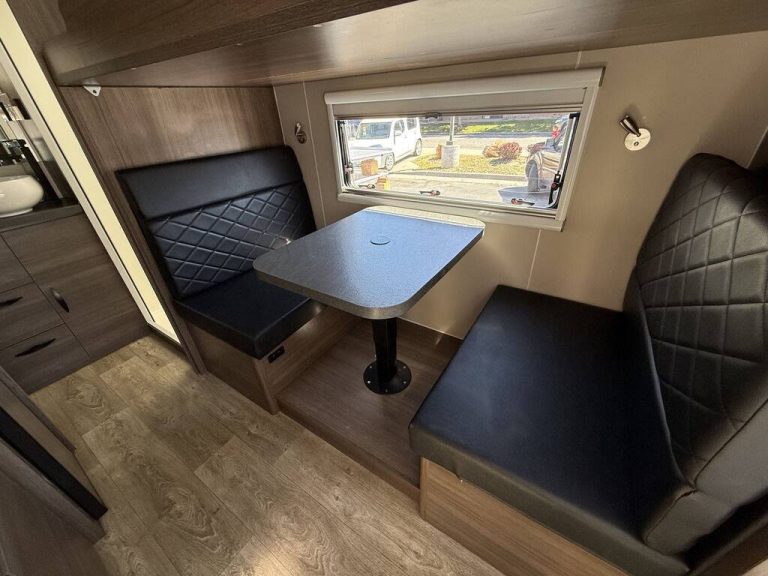
Convertible Beds: Sofa or dinette that turns into sleeping space.
Wet Bath: Compact shower + toilet combo in some mid‑size lightweight models.
Solar Prep: Designed for solar panel integration — great for boondocking.
Storage Systems: Clever cabinetry and under‑bed storage maximize space.
Modern lightweight trailers can feel surprisingly complete: everything you need for a comfortable trip without hauling excess weight.
Real‑World Use Cases in the U.S. Market
Weekend Camping
For quick getaways to state parks, river cabins, or national forests, lightweight trailers shine. Easy towing and quick setup translate to more time outdoors.
Cross‑Country Road Trips
Planning a road trip? Lightweight trailers reduce fuel costs and simplify long drives, especially across mountainous or desert terrain.
First‑Time RV Owners
For beginners, lighter weight means less intimidation. You can gain experience without wrestling with heavy rigs — and the Mars RV blog How to Choose Your First Travel Trailer: Beginner Guide is a great primer for newcomers.
Common Mistakes to Avoid
Here are some mistakes that often derail new owners:
Only looking at dry weight: You must plan around GVWR.
Ignoring payload limits: Gear, water, and personal items add weight fast.
Overloading the trailer: This affects braking and sway control.
Wrong hitch setup: Mismatched hitches reduce stability.
Maintenance Tips for Lightweight Travel Trailers
Even a lightweight trailer needs care. Here are essentials:
Check Tire Pressure: Correct pressure improves fuel efficiency and safety.
Manage Weight Distribution: Heavy items should be forward and low.
Maintain Water Systems: Flush tanks and insulate lines as needed.
Battery & Solar Upkeep: Keep batteries charged and check solar connections seasonally.
Regular checks not only prevent repair headaches but also prolong the life of your trailer.
FAQ — Your Most Common Questions Answered
What is the best travel trailer under 3500 lbs?
There’s no universal “best,” but the ideal choice depends on your intended use — weekend fun, extended road trips, or rugged terrain.
Can an SUV tow a 3500 lb trailer?
Yes — most mid‑size SUVs can tow trailers under this weight, but always confirm with your specific vehicle’s rated capacity first.
Do trailers under 3500 lbs have bathrooms?
Many do — especially compact travel trailers — though ultra‑minimal teardrops often do not.
What is the safest towing weight margin?
Keeping total trailer weight under 80% of your vehicle’s rated capacity is a good rule of thumb for stability and confidence.
Final Thoughts on Travel Trailers Under 3500 lbs
Lightweight travel trailers open up a huge range of outdoor adventures without the hassle or expense of heavy rigs. Whether you’re a weekend warrior, a national park explorer, or a first‑time RV owner, travel trailers under 3500 lbs hit a unique sweet spot of towability, comfort, and versatility.
And if you want a real taste of adventure with quality engineering and thoughtful design, looking deeper into Mars travel trailers — known for their lightweight structure and outdoor capability — could be your next step.