Table of Contents
What Are Pop‑Up Campers?
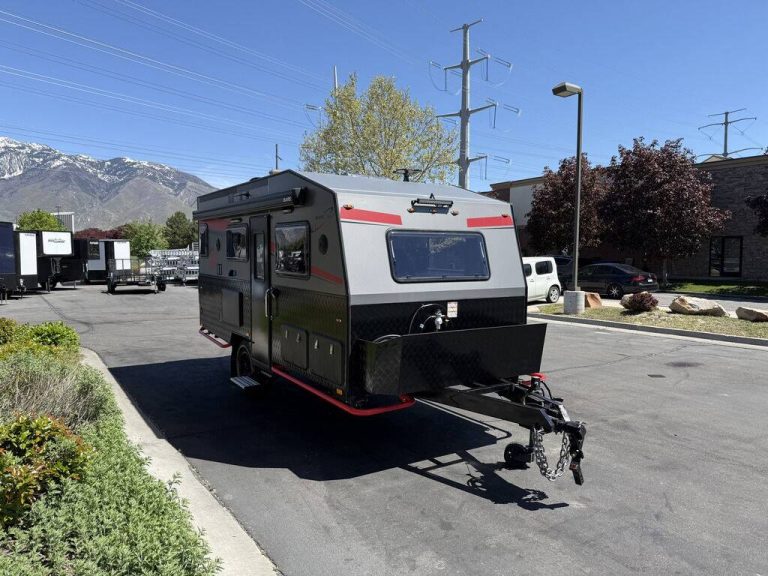
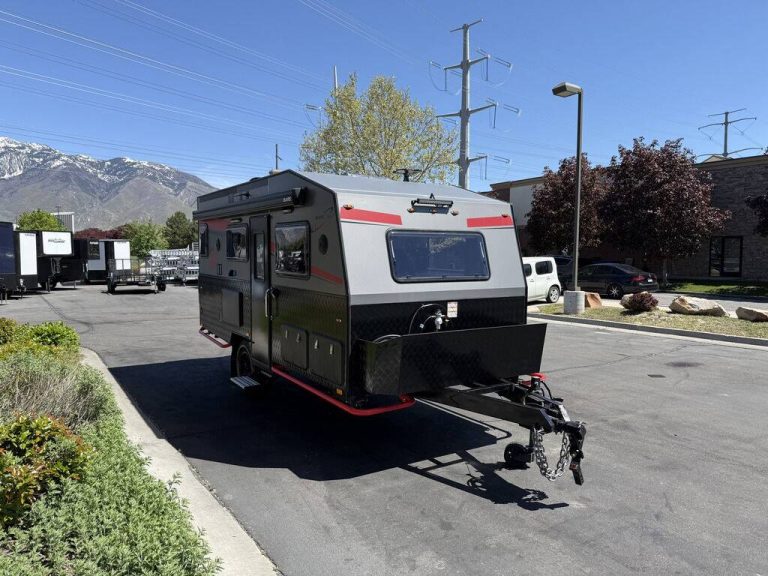
Pop‑up campers are lightweight, foldable camping trailers designed to expand when parked and collapse during travel. They blend features of traditional travel trailers with the simplicity and open feel of tent camping.
Core Components:
Collapsible roof: Lowers for towing, raises for camping.
Canvas walls: Flexible sides for light weight and ventilation.
Compact trailer base: Easy to tow with a variety of vehicles.
Pop‑up campers differ from traditional RV travel trailers in size, setup complexity, and towing requirements. While larger trailers offer more indoor amenities, pop‑up campers appeal to users who want simplicity, fuel efficiency, and closer connection to the outdoors.
Ideal users include:
Families seeking weekend camping trips
Beginner campers who want an easy introduction
Road trip travelers who value lightweight design
Why Pop‑Up Campers Are Growing in Popularity
Key reasons for popularity:
Lightweight design: Easier to tow than many travel trailers.
Simple setup: Many campers can be assembled in under 20 minutes.
Closer to nature experience: Canvas walls provide an immersive outdoor feel.
Fuel efficiency: Lower weight means less gas consumption.
According to industry trend analyses, the global pop‑up camper market continues expanding as outdoor recreation participation increases year over year. Many families now view pop‑up campers as an affordable gateway into RV travel.
Types of Pop‑Up Campers
Different pop‑up camper designs suit different needs. Below are the most common categories:
Soft‑Sided Pop‑Up Campers
These campers feature canvas walls that fold down for travel and raise up for camping.
Key traits:
Breathable canvas promotes airflow
Very lightweight
Easier to set up than hard‑sided units
Hard‑Sided Pop‑Up Campers
Hard‑sided campers have rigid panels instead of canvas.
Benefits:
Better insulation against weather
Improved durability
Increased resistance to wear
Hybrid Pop‑Up Campers
Hybrid units combine elements of both soft and hard sides to maximize space and comfort.
Advantages:
Expanded interior space
Increased comfort while camping
Balanced weight and convenience
Each type serves different traveler needs, from minimalist adventurers to small families who want more comfort.
How to Set Up a Pop‑Up Camper (Step‑by‑Step)
Below is a structured guide to ensure a smooth setup:
Park and Level the Trailer
Ensure your trailer is level to support proper setup and comfort.Stabilize the Camper
Use stabilizer jacks to reduce movement.Raise the Roof
Crank or lift the roof using the built‑in mechanism.Pull Out Sleeping Platforms
Extend beds or sleeping areas on each side.Install Support Poles
Secure support poles to maintain structural integrity.Connect Utilities
Attach power, water, and other necessary connections.
For a broader travel trailer maintenance checklist that covers systems beyond the pop‑up mechanism, see this full guide:
👉 https://www.marsrvs.com/maintenance-checklist-for-travel-trailers-full-safety-guide.html
Pop‑Up Camper Buying Guide
If you’re considering your first pop‑up camper, focus on these key factors to match your needs with the right model:
Size and Capacity
Determine whether you need space for 2 adults or a family setup. Consider sleeping areas and interior room.
Weight and Tow Compatibility
Check your vehicle’s towing capacity to ensure safe and efficient travel.
Interior Layout
Evaluate the layout for essentials such as:
Sleeping areas
Storage zones
Small kitchenette spaces
Material Quality
Choose materials that offer:
Durable canvas
Weather‑resistant frames
Corrosion‑proof components
Pop‑Up Camper vs Travel Trailer
| Feature | Pop‑Up Camper | Travel Trailer |
|---|---|---|
| Size | Compact | Larger |
| Setup | Required | Minimal |
| Fuel Efficiency | Higher | Lower |
| Storage | Easier | Requires more space |
Conclusion: Pop‑up campers are often ideal for beginner campers, weekend trips, and lightweight towing, while travel trailers may be better for longer stays and indoor comfort.
Pop‑Up Camper Maintenance Checklist
Proper maintenance keeps your pop‑up camper reliable and safe.
Before Every Trip
Inspect canvas for tears
Check roof seals
Test all lights
Seasonal Maintenance
Lubricate lift system
Clean fabric panels
Check tire condition
Storage Preparation
Dry canvas completely
Remove moisture
Cover trailer to protect from elements
Having a routine helps prevent costly repairs and keeps your camper ready for adventure.
FAQs About Pop‑Up Campers
Are pop‑up campers good for beginners?
Yes. Their simple setup and lightweight design make them ideal for first‑time RV owners.
How long does it take to set up a pop‑up camper?
Most setups can be completed in 10–20 minutes with practice.
Are pop‑up campers suitable for family camping?
Yes. Many models accommodate multiple sleepers and offer practical storage.
Do pop‑up campers require regular maintenance?
Absolutely. Inspecting canvas, seals, and mechanical systems regularly increases longevity.
Conclusion
Pop‑up campers offer an accessible and enjoyable way to experience outdoor travel. With lightweight design, easy setup, and growing market interest, they remain a popular choice for families, beginners, and road trip travelers.
Whether you’re exploring campground trends, preparing for your first adventure, or comparing options with larger travel trailers, a well‑maintained pop‑up camper can provide unforgettable outdoor experiences.