Table of Contents
What Are PNW Overland Routes?
PNW overland routes refer to navigable paths — often on unpaved forest service roads, BLM land, or other public land — suitable for off‑road travel, dispersed camping, and remote exploration through the Pacific Northwest’s diverse landscapes. These routes differ from scenic byways because they are typically unpaved, multi‑use roads that connect dispersed campsites and natural points of interest rather than just offering a paved scenic drive.
What Makes the Pacific Northwest Unique
The Pacific Northwest (PNW) boasts a remarkable combination of ecosystems:
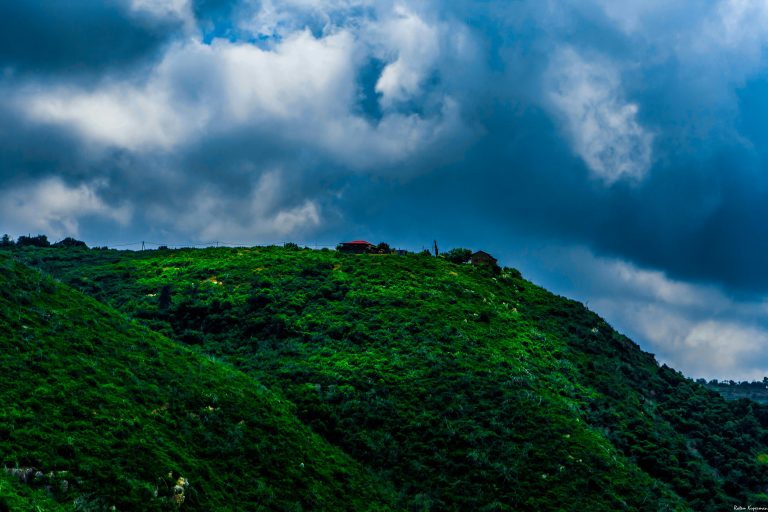
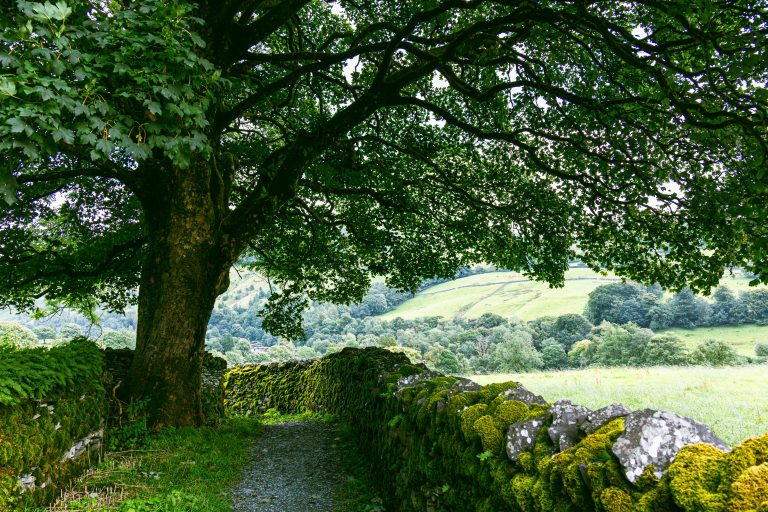
Dense forests of cedar, fir, and pine
Volcanic terrain shaped by the Cascades
Coastal and alpine transitions visible within relatively short distances
These landscapes make PNW overland routes attractive for both new and experienced overlanders who value variety and natural beauty in their travel.
Key Terms Explained
Understanding specific terminology helps you read maps and plan your routes:
Forest Service Roads (FSR): Unpaved roads managed by the US Forest Service used for access to various sectors of public land.
Dispersed camping: Camping outside developed campgrounds on public lands such as BLM land or national forests, typically allowed as long as you follow specific rules.
BLM land: Bureau of Land Management land offering extensive areas for off‑road exploration and dispersed camping.
Route difficulty: PNW overland routes range from easy gravel tracks to rugged remote trails requiring high‑clearance 4×4 vehicles.
Global Insight
Interest in overlanding — and by extension PNW overland routes — has expanded significantly in North America, Europe, and Australia as travelers seek experiences beyond traditional campgrounds.
Why PNW Overland Routes Are Popular
Popular Appeal of PNW Routes
Climate and scenery: Cooler summers and lush forests draw travelers seeking seasonal outdoor adventure.
Public land access: Washington, Oregon, and Idaho contain vast tracts of BLM and national forest land with legal dispersed camping options.
Best Types of PNW Overland Routes by Travel Style
The Pacific Northwest offers a range of overland routes to match different experience levels and travel goals.
PNW Overland Routes for Beginners
Ideal first routes include wide gravel forest roads with minimal technical obstacles. These beginner‑friendly options generally have:
Clear, well‑graded tracks
Easy access from paved highways
Reliable emergency access
These routes are perfect for testing your system and building confidence as an overlander.
Scenic & Photography-Focused Routes
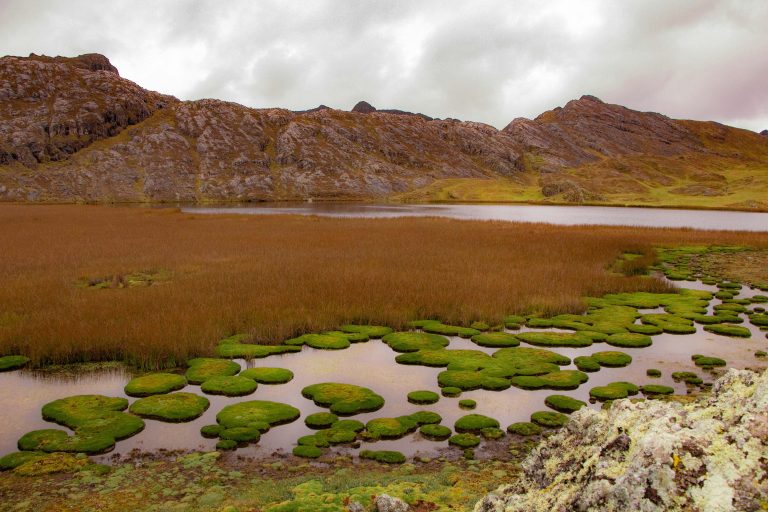
Some overland routes focus on visual diversity, combining accessible roads with spectacular views. Routes that wind through alpine lakes, old‑growth forests, and volcanic plateaus offer excellent photography opportunities, especially during golden hours and seasonal changes.
Remote Off‑Road Camping Routes
For travelers seeking solitude and challenge, remote off‑road routes traverse deeper into public lands. These typically involve:
Long distances from paved roads
Self‑sufficient camping setups
Emphasis on Leave No Trace principles
Legally camping on these routes requires familiarity with dispersed camping guidelines managed by agencies such as the BLM and U.S. Forest Service. Dispersed camping is usually allowed on much public land away from developed sites, with stay limits and rules that vary by region.
How to Plan PNW Overland Routes
Planning is central to a successful overland adventure — arguably more important than the vehicle you drive or trailer you tow.
Step‑by‑Step Planning
Choose your region: Start with specific areas like the Cascade range or forest roads in Washington, Oregon, and Idaho — places with legal public access roads.
Check land management rules: Review USFS and BLM regulations for the districts you’ll travel.
Verify seasonal access: Snow, mud, and wildfires can close roads — always confirm road conditions ahead of time.
Build offline route maps: Cell service is limited in many PNW regions, so use offline map tools for navigation.
Identify dispersed camping zones: Look for Forest Service and BLM maps that mark legal camping areas. Tools like USFS Motor Vehicle Use Maps (MVUM) are essential in planning routes.
Emphasis: Good planning reduces risks and enables you to adapt if conditions change.
Essential Checklist for PNW Overland Travel
A well‑curated checklist makes sure you’re ready for both the journey and remote stays.
Route Prep
Offline navigation: Maps saved on multiple devices
Weather & elevation checks: Seasonal variations matter
Road condition verification: Use recent trail reports
On‑Route Essentials
Water & food buffer beyond anticipated needs
Emergency communication device (satellite or radio)
Tire pressure strategy for varying terrains
Common Mistakes on PNW Overland Routes
| Mistake | Risk | Prevention |
|---|---|---|
| Ignoring seasonal closures | Blocked access or hazards | Always verify road status |
| Underestimating mud/rain impact | Stuck vehicles | Check weather + road reports |
| Poor campsite selection | Environmental impact | Use dispersed camping rules |
| Overconfidence | Missing supplies | Plan redundancies |
These common issues often come up in forums and trail reports — being aware helps ensure safer trips.
Real‑World Overland Scenarios
Case 1: Weekend Forest Route – Beginner Friendly
A group entered the Mt. Hood forest service area on a wide gravel backroad, camping near established dispersed sites. The route’s accessibility allowed them to test navigation skills and campsite selection without technical challenges.
Case 2: Multi‑Day Backcountry Route – Navigation & Resource Management
Seasoned travelers followed a longer PNW overland corridor that connected multiple viewpoints and dispersed camp spots. They emphasized offline map planning, water resupply points, and systematic campsite rotation to protect land resources.
Key Insight: Most failures on PNW overland routes stem from planning gaps — not equipment inadequacies.
FAQs
What are the best seasons for PNW overland routes?
Late spring through early fall, depending on snowpack and wildfire conditions.
Are PNW overland routes suitable for beginners?
Yes, beginner‑friendly gravel and forest service roads exist, though preparation is still essential.
Can you camp anywhere along the routes?
Only in designated dispersed camping areas or where USFS/BLM permits it.
Do PNW overland routes require special permits?
Some areas may require passes or season‑specific permits — check local land management sites.
How do I find legal dispersed camping areas?
Use official forest/BLM maps, MVUM data, or reputable mapping apps that show legal camping zones.
Summary & Next Steps
Key Takeaways
PNW overland routes offer diverse terrain — from coastal transitions to volcanic forests.
Reliable planning, offline navigation, and public land rules matter more than raw vehicle capability.
Respecting dispersed camping guidelines ensures long‑term access for all.
Next Steps
Start with beginner‑friendly routes and build confidence.
Build detailed offline maps with multiple navigation sources.
Explore more on camp setup, off‑road safety, and route planning on our Blog