Table of Contents
What Are Off Road Campervans
Definition
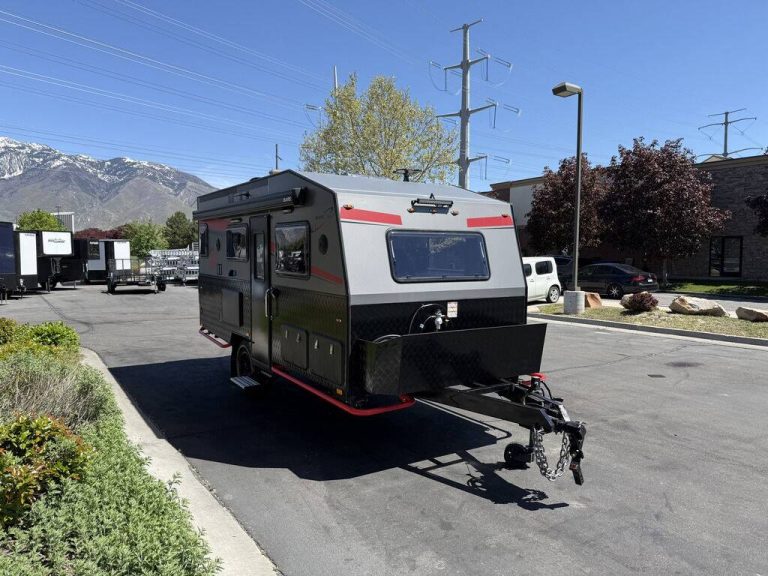
Off road campervans are self-contained vehicles designed to travel beyond paved roads while providing essential living facilities such as sleeping areas, cooking space, and storage. Unlike traditional camper vans intended mainly for highways and campgrounds, off-road versions are engineered to handle rough terrain, gravel roads, and remote wilderness routes.
They combine transportation and accommodation into a single mobile living unit—making them ideal for travelers seeking flexibility and independence.
Key Features of Off Road Campervans
Most modern off-road campervans share several important features:
4×4 drivetrain or AWD system for traction on uneven terrain
High ground clearance to avoid damage from rocks and obstacles
Reinforced suspension designed for rugged trails
All-terrain tires capable of handling sand, mud, and gravel
Compact living space optimized for storage and mobility
Off-grid utilities such as solar power and water storage
These structural upgrades allow off-road campervans to reach destinations where conventional RVs cannot safely travel.
For a deeper overview of rugged RV design and terrain capability, you can explore this related guide:
👉 https://www.marsrvs.com/off-road-rv-guide-2025-rugged-off-grid-camper-tips.html
Key Terms and Definitions
Understanding common off-road vehicle terminology helps travelers evaluate campervan capabilities more effectively.
Ground Clearance
The distance between the ground and the lowest part of the vehicle’s underbody. Higher clearance improves the ability to travel over rocks, ruts, and uneven terrain.
Approach and Departure Angles
These angles determine how steep an obstacle a vehicle can climb without hitting the front or rear bumper.
Skid Plates
Metal protective plates installed underneath the vehicle to protect critical components such as the engine and transmission.
Off-Grid Systems
Integrated energy and water systems that allow campervans to operate independently from campground hookups.
Payload Capacity
The maximum amount of additional weight the vehicle can safely carry, including gear, water, and equipment.
These factors directly influence how well a campervan performs in remote travel environments.
Why Off Road Campervans Are Growing in Popularity
Search demand for off road campervans has grown rapidly due to several lifestyle and travel trends.
1. Rise of Adventure Travel
Outdoor recreation has become one of the fastest-growing tourism sectors in North America. Travelers increasingly seek remote landscapes, backcountry routes, and dispersed camping locations.
Off-road campervans allow people to explore beyond traditional campgrounds and reach less crowded destinations.
2. The Vanlife Movement
The global vanlife lifestyle—popularized through social media—has inspired many people to live or travel full-time in converted vans.
Mobile living provides:
travel flexibility
reduced accommodation costs
immersive outdoor experiences
This lifestyle trend continues to drive searches for campervan builds and off-grid setups.
3. Growth of Overlanding
Overlanding refers to long-distance travel using self-sufficient vehicles designed for remote terrain. Many travelers are now combining campervans with overlanding gear to create all-in-one exploration vehicles.
4. Demand for Self-Sufficient Travel
Remote work and digital nomad lifestyles have expanded dramatically. As a result, more travelers are searching for:
off-grid campervan setups
mobile living solutions
self-sustaining travel vehicles
These trends have pushed off-road campervans into mainstream outdoor culture.
Types of Off Road Campervans
Different styles of off-road campervans serve different travel needs.
1. 4×4 Expedition Campervans
These vehicles are built for extreme terrain and long expeditions. They feature heavy-duty suspension systems, reinforced frames, and high ground clearance.
Ideal for:
cross-country overlanding
desert expeditions
remote wilderness travel
2. Compact Adventure Campervans
Compact campervans prioritize mobility and efficiency. Their smaller size makes them easier to maneuver on narrow trails or forest roads.
Best for:
weekend adventures
national park travel
solo or couple travelers
3. Pop-Top Off Road Campervans
Pop-top roofs provide additional sleeping space while keeping the vehicle compact during travel.
Advantages include:
increased interior space
improved ventilation
lower driving height
4. DIY Off Road Campervan Conversions
Many adventurers convert standard cargo vans into custom off-road campervans. These DIY builds allow travelers to design layouts tailored to their specific needs.
How to Choose the Right Off Road Campervan
Selecting the right campervan requires balancing vehicle capability, living comfort, and travel goals.
Step 1: Define Your Travel Style
Start by identifying how you plan to use the vehicle.
Common travel styles include:
weekend off-road camping trips
long-distance overlanding journeys
extended remote exploration
Your travel style determines the size and capability needed.
Step 2: Evaluate Terrain Needs
Consider the terrain you expect to encounter:
forest service roads
desert sand tracks
rocky mountain trails
Different terrains require different suspension systems and tire setups.
Step 3: Check Vehicle Capability
Important specifications include:
| Feature | Why It Matters |
|---|---|
| Drivetrain | Determines traction on rough terrain |
| Suspension | Improves ride comfort and durability |
| Wheelbase | Shorter wheelbases improve maneuverability |
| Payload capacity | Supports gear and water storage |
Step 4: Consider Living Space
Comfort is essential for long trips.
Key interior features include:
sleeping layout
kitchen and cooking systems
storage compartments
ventilation and climate control
Off Grid Systems for Off Road Campervans
Self-sufficiency is one of the main advantages of off-road campervans.
Solar Power System
Roof-mounted solar panels generate electricity that charges onboard batteries. This allows users to power lights, appliances, and electronic devices without external hookups.
Solar systems are increasingly common in modern RV designs.
Water Storage System
Fresh water tanks and filtration systems provide clean water for drinking, cooking, and cleaning during extended trips.
Power Management
Battery management systems and inverters regulate energy use and convert stored power for appliances.
Heating and Ventilation
Climate control systems help maintain comfortable temperatures in extreme environments.
Off Road Campervan Conversion Guide
Building a DIY off-road campervan is a popular project among adventure travelers.
Step-by-Step Conversion Process
Choose a suitable van platform
Upgrade suspension and install all-terrain tires
Add insulation and flooring
Build modular furniture and storage
Install off-grid electrical systems
Integrate water storage and cooking equipment
Important Design Principles
Successful campervan builds prioritize:
balanced weight distribution
durable materials
modular layouts
easy maintenance
These principles help ensure reliability in remote environments.
Real Use Cases and Travel Scenarios
Off-road campervans support a wide range of outdoor activities.
Long-Distance Overlanding
Travelers can explore multiple regions during extended road trips, spending weeks off-grid in remote locations.
National Park Exploration
Many parks include unpaved access roads where rugged campervans provide easier access to dispersed camping areas.
Digital Nomad Travel
Remote professionals increasingly use campervans as mobile workspaces combined with living environments.
Wilderness Photography Trips
Photographers often spend days in remote areas waiting for wildlife or ideal lighting conditions.
A self-sufficient campervan makes these extended stays possible.
FAQ
What is the difference between a campervan and a motorhome?
Campervans are typically smaller and built from standard vans, while motorhomes are larger vehicles with dedicated living structures.
Are off road campervans suitable for long trips?
Yes. Their off-grid systems allow travelers to stay independent from traditional campgrounds.
Do off road campervans require special driving skills?
Driving on rugged terrain may require learning basic off-road techniques such as traction management and obstacle navigation.
Can a regular van become an off road campervan?
Yes. Many travelers convert cargo vans by upgrading suspension, tires, and installing off-grid living systems.
Conclusion
Off road campervans represent the future of adventure travel. Combining mobility, rugged engineering, and self-sufficient living systems, these vehicles enable travelers to explore remote landscapes far beyond traditional campgrounds.
As outdoor recreation, vanlife culture, and overlanding continue to expand across the United States, demand for capable off-road campervans will likely keep growing.
Whether you plan weekend wilderness trips or long overland journeys, a well-designed off-road campervan can transform the way you travel—bringing comfort, freedom, and adventure together in one vehicle.