Table of Contents
What Is Florida Off Grid Camping?
Florida off grid camping refers to camping in undeveloped or remote areas of Florida where travelers rely on their own resources for shelter, water, power, and waste management rather than using established campgrounds with utilities.
How It Differs from Traditional Campgrounds
Traditional campgrounds often offer amenities like electricity, potable water, and bathroom facilities. In contrast, off grid camping means:
No hookups or established utilities
Greater reliance on solar power, battery systems, and stored water
Independent waste management
Off‑Grid Power & Essentials
Travelers typically use:
Solar panels for off‑grid power
Battery systems for energy storage
Portable water storage and filtration systems
Key Terms Explained
Dispersed camping: Camping outside of developed or designated campsites
Primitive campsite: Basic camping site with no amenities
Off‑grid power: Energy generated and used independently of grid infrastructure
Leave No Trace: Camping principle focused on minimizing environmental impact
Why Florida Off Grid Camping Is Unique
Florida’s natural landscapes—wetlands, forests, beaches, and the Everglades—provide a wide range of environments for off grid camping. Global interest in dispersed and overland camping has increased, and Florida draws travelers because of its mild winters and diverse ecosystems.
Florida’s Unique Camping Appeal
Florida stands apart due to:
Large swaths of public land and state forests
Easy access to coastal and wetland backcountry
Mild year‑round temperatures (with considerations for hurricane and wet seasons)
Best Florida Off Grid Camping Spots
In Florida, off grid campers can choose from forest trails, savannas, coastal stretches, and wetland areas. Below are categories of ideal spots:
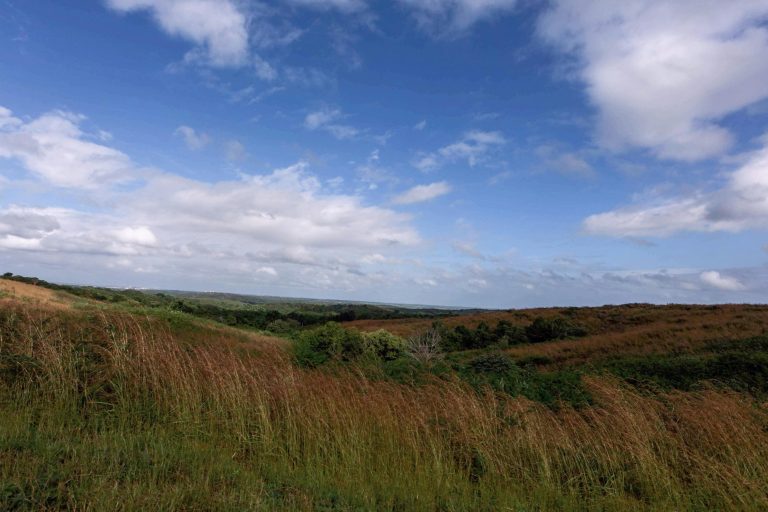
Desert & Savanna Camping Sites
Wide open landscapes with minimal tree cover
Easier navigation for larger vehicles
High visibility for night sky viewing
Good for travelers who want solitude and straightforward terrain.
Forest & Trail Areas
Deep forest backcountry experiences
Trails that may require higher clearance vehicles
More shade and wildlife viewing opportunities
Note: Many forest sites require careful route planning.
Coastal & Wetland Areas
Camping near shores and salt marshes
Scenic views and water access
Be aware of:
Tides and coastal weather
Soft ground and possible flooding
Each of these locations should include considerations for seasonal conditions, vehicle access, and ecological sensitivity.
How to Go Off Grid Camping in Florida
Below is a practical step‑by‑step roadmap.
Step 1: Planning & Research
Proper planning is the foundation of any off grid trip:
Study maps and terrain features
Check weather forecasts for rainy/wet seasons or hurricane warnings
Understand land management rules (USFS, State Parks, county lands)
Step 2: Navigation & Route Selection
Use offline maps and GPS backups
Mark campsite coordinates and exit routes
Identify possible emergency access roads
Preparation reduces risk and helps with route confidence.
Step 3: Shelter Setup
Choose high, flat ground with good drainage
Set tents or shelters away from standing water
Lay ground tarps and secure stakes
A well‑set site improves comfort and reduces weather risk.
Step 4: Water, Power & Waste
Water: Bring extra storage; use purification systems on local sources
Power: Solar panels and battery storage keep electronics and lights running
Waste: Pack out all garbage; use portable toilets if required
Key principle: Good planning matters more than gear alone.
Florida Off Grid Camping Checklist
An actionable Florida off grid camping checklist can make pre‑trip preparation easier. This checklist is ideal for downloading and using before any trip.
🔧 Pre‑Trip Preparation
Validate access and permits
Pack essential navigation and communication tools
Review weather and route plans
🧰 On‑Site Essentials
Survival and emergency kits
Tools for site setup and shelter
Weather‑appropriate gear and clothing
Clean water & purification tablets
Florida Off Grid Camping Safety Tips
Safety is a top concern for anyone entering remote areas. Florida off grid camping safety tips cover weather, wildlife, and emergency readiness.
Major Risks & Prevention
| Risk | Prevention |
|---|---|
| High heat & humidity | Hydration plans and shade sheltering |
| Mosquitoes & pests | Insect repellents and netting |
| Tides/Flooding | Tide charts and elevated camping spots |
Emergency Preparedness
Carry a satellite communication device
Have evacuation and emergency exit routes
First‑aid and medical supplies readily accessible
Troubleshooting Common Off Grid Issues
Even with thorough planning, off grid campers encounter challenges. Here’s how to address common issues.
| Issue | Likely Cause | Solution |
|---|---|---|
| No Phone Signal | Remote location | Offline maps & satellite comms |
| Water Shortage | Underestimated needs | Pack extra & purify local sources |
| Gear Failure | Wear and tear | Regular checks before departure |
Real‑World Florida Off Grid Camping Scenarios
Real examples help connect theory to practice.
Case 1: Weekend Backcountry Trip
Lightweight gear
Quick setup
Easy weather window
Short trips allow testing checklist and site selection skills.
Case 2: Extended Wilderness Camping
Multi‑day water and power planning
Advanced navigation
Greater weather variability
Insight: Most trip failures are tied to planning gaps, not equipment faults.
FAQs About Florida Off Grid Camping
What permits are needed for Florida off grid camping?
Permits vary by land type; check local land management rules.
Are off grid camping sites legal in Florida public lands?
Many state forests and wildlife areas allow off grid camping with restrictions.
How do I find safe water sources?
Scout known springs, rivers, or use water purification systems on local sources.
Can beginners try off grid camping in Florida?
Yes, with proper planning and conservative site choices.
What tools are essential for off grid travel?
Navigation, communication, water purification, and first‑aid are must‑haves.
Summary & Next Steps
Key Takeaways
Florida off grid camping offers diverse terrain and experiences. Detailed planning and safety preparation are the foundation of successful trips. Practical checklists and navigation confidence outperform last‑minute improvisation.
Actionable Next Steps
Print your off grid camping checklist
Build and test your route map before departure
Explore related guides on RV safety, solar power for remote camping, and weather‑ready camping techniques
Off grid camping in Florida blends adventure with self‑sufficiency—mastering these principles ensures not just survival, but a memorable wilderness experience.