Table of Contents
What Are Off-Road Trails for Long Term Camping? (Core Definitions)
Off-Road vs. Standard Camping Routes
Off-road trails for long term camping are rugged vehicular paths that move beyond typical paved campground access roads. Unlike traditional car camping or backpacking paths, these routes often require high-clearance 4×4 vehicles, navigation skills, and self-sufficient gear. They connect remote landscapes where access to water, food, and services is limited, making them ideal for extended stays in nature.
Long-term camping on these trails isn’t about quick weekend stops—it’s about exploration, landscape immersion, and spending weeks living outside of traditional infrastructure.
Key Terminology You Should Know
| Term | Meaning |
|---|---|
| Overlanding | Self-reliant travel to remote destinations where the journey itself is the experience, using off-road capable vehicles. |
| 4×4 Trail | Routes that require four-wheel drive vehicles due to their rugged terrain. |
| Remote Track | Unpaved and undeveloped roads through wilderness or public lands. |
| Long Distance Route | Extended off-road paths that span hundreds to thousands of miles, suitable for multi-day or multi-week camping. |
These definitions help frame how off-road trails for long term camping differ from casual trail running or short scenic drives.
Why Overlanding & Long-Term Camping Is Trending
Growing Search Demand and Participation
Google Trends data shows that interest in overlanding has grown more than 2000% in the United States over the past decade, with consistent seasonal search peaks during spring and summer.
Industry reports estimate that millions of Americans are embracing adventure travel and vehicle-based camping, making off-road experiences a mainstream outdoor trend.
National Park Crowding Drives Remote Exploration
With record national park visits and campground congestion, many campers are opting for dispersed camping on BLM lands and forest roads, which allow up to 14 days of free camping and provide access to connecting off-road trails — a major driver of interest in extended off-grid trips.
Top Off-Road Trails for Extended Camping by Region
Below are globally iconic routes that represent prime opportunities for off-road trails for long term camping, along with brief seasonal and gear planning notes.
North America: Epic Routes & Extended Camps
Trans-America Trail (TAT)
The Trans-America Trail stretches over 4,200 miles across the U.S., crossing multiple states and landscapes on mostly unpaved roads. Originally scouted in the 1980s, it remains a classic overlanding route that blends remote tracks with cultural highlights and dispersed camping opportunities.
⮞ Best for: Multi-week adventures.
⮞ Considerations: Seasonal timing matters — spring through fall offers best conditions.
Utah & Moab BDRs (Backcountry Discovery Routes)
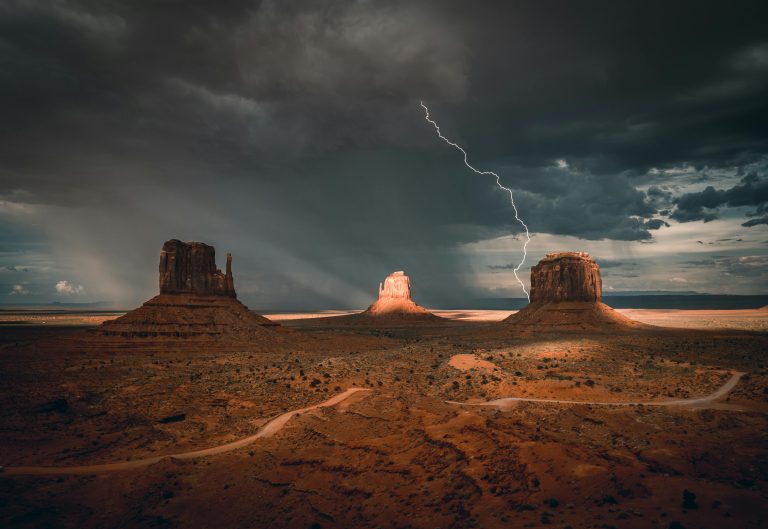
The Utah BDR is a network of scenic off-road roads with frequent dispersed campsites on public land. Moab, in particular, is an off-road mecca with interconnected tracks and red rock vistas.
⮞ Why it’s great: Dense trail networks + water access points make this ideal for long-term, exploratory camping.
Alaskan Highways & Denali Region
For remote solitude, the Dalton Highway and surrounding tracks offer unparallelled access to tundra, wildlife, and wilderness.
⮞ Best season: May to early autumn — winters are extreme.
Australia: Outback Roads & Wild Camp Tracks
The Australian Outback Routes
Massive desert roads like the Gunbarrel Highway or Oodnadatta Track challenge travelers with long stretches between water and fuel, perfect for seasoned off-road camping.
⮞ Tip: Water caches and planning are critical due to arid conditions.
Cape York Peninsula
Tracks like the Old Telegraph Track weave through tropical bush and freshwater camp areas — ideal for adventurous multi-week expeditions.
⮞ Peak travel season: Dry months (May–September).
Europe & Africa: Diverse Long-Haul Trails
Spain’s Trans-Ibérica Routes
Cross-country off-road routes offer mixed terrain, cultural stops, and dispersed camping opportunities across Iberia.
Moroccan Desert Tracks (Sahara)
From the Atlas foothills to deep desert passages, Moroccan routes offer epic solitude — but require careful navigation and emergency planning.
⮞ Gear must-haves: Satellite communications and fuel redundancy.
South America: Patagonia & Desert Crossings
Patagonia 4×4 Trails
Winding gravel roads and glacier approaches make Patagonia an unforgettable long-term off-road camping destination.
Atacama Desert Routes
Sand, salt flats, and dramatic skies reward disciplined planners who manage their water and food supplies carefully.
How to Plan Your Long-Term Off-Road Camping Adventure
A successful extended off-road camping trip relies on thorough planning. Below are actionable steps.
1. Planning Your Route & Navigation
Use tools with offline capabilities — apps like The Dyrt PRO, Gaia GPS, or MVUM forest maps — to ensure access where cell coverage isn’t available.
Understand trail difficulty ratings, elevation changes, and likely weather windows before departure.
2. Vehicle & Gear Preparation
Choose a capable 4×4 SUV or truck. Prioritize:
Reliable suspension & tires suited for varied terrain
Communications gear (satellite phone or messaging)
Solar panels and battery power for extended energy needs
Water storage & filtration systems
Rooftop tents or camping gear with durability in remote environments
3. Managing Food, Water & Resources
Plan daily calorie needs and water consumption, and use reliable filtration for natural water sources. Consider how you’ll protect food from wildlife and securely store gear — especially in desert or alpine climates.
Step-by-Step Checklist Before Departure
✔ Create a detailed itinerary with milestones and alternate routes.
✔ Inspect vehicle and carry spare parts appropriate for your terrain.
✔ Confirm permits, land use rules, and insurance coverage.
✔ Share your plan with a friend or family and set checkpoints.
Safety Protocols and Emergency Planning
When isolated miles from civilization:
Carry satellite SOS tools (e.g., Garmin inReach, Starlink devices).
Monitor weather forecasts and retreat early if conditions deteriorate.
Always have spare fuel, water, and recovery gear (shackles, winch, traction mats).
Real-World Trends in Off-Road Long-Term Camping
Industry data reveals accelerating overlanding participation and gear investment. The overlanding vehicle and gear market has grown significantly in recent years as more people pursue rugged outdoor experiences, and overlanding events and communities are expanding globally.
Seasonal search behavior shows peak interest for gear and route planning in late summer, reflecting user intent to prepare for upcoming off-road camping seasons.
Frequently Asked Questions
Q1: Do I need permits for long-term off-road camping?
Permits vary by region — national parks often require reservations, while BLM and Forest Service lands frequently allow dispersed camping with minimal restrictions. Always verify local requirements.
Q2: What vehicle requirements are needed?
A capable 4×4 with good ground clearance and off-road tires is essential. For remote long distance routes, recovery and self-sufficiency gear are equally important.
Q3: How do I find reliable water in deserts?
Research water caches, seasonal springs, or stock up before entry. Water filtration gear is crucial.
Q4: Should I go solo or in a group?
Group travel improves safety but solo trips can work with strong preparation and emergency communications.
Q5: What’s the best season for global off-road trails?
orthern Hemisphere trails commonly peak in late spring to early fall, while southern routes may differ. Seasonal travel windows impact accessibility and safety.
Summary
Off-road trails for long term camping offer unmatched freedom, solitude, and connection with natural landscapes. From the iconic Trans-America Trail to the deserts of Australia and Sahara, these routes reward prepared adventurers willing to embrace remote travel.
Bookmark this guide, subscribe for seasonal trail recommendations, and share your next extended overlanding experience!