Table of Contents
1. What is a Pop Up Camper?
A pop up camper is a towable, collapsible camper designed to maximize portability and ease of storage. Unlike traditional travel trailers, its walls and roof fold down during transport and expand at the campsite, offering both protection and comfort. Pop up campers generally come in two main types:
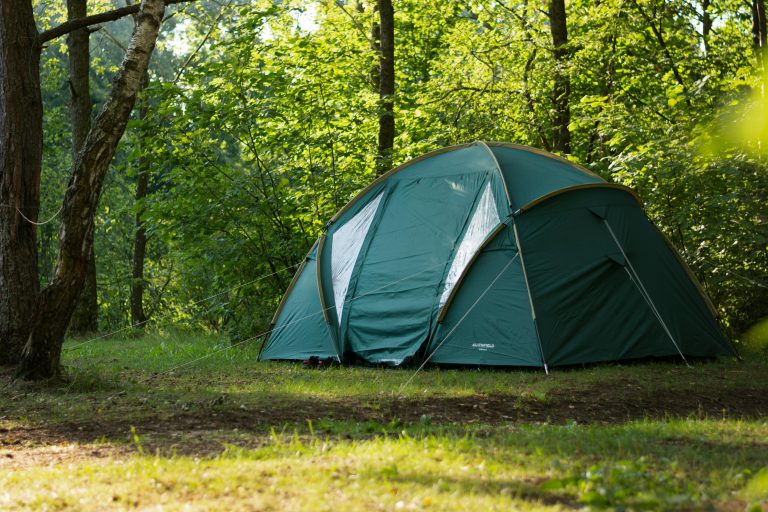
Soft-sided tent-style pop up campers: These feature collapsible fabric walls supported by poles, providing lightweight and compact options suitable for small families or solo travelers.
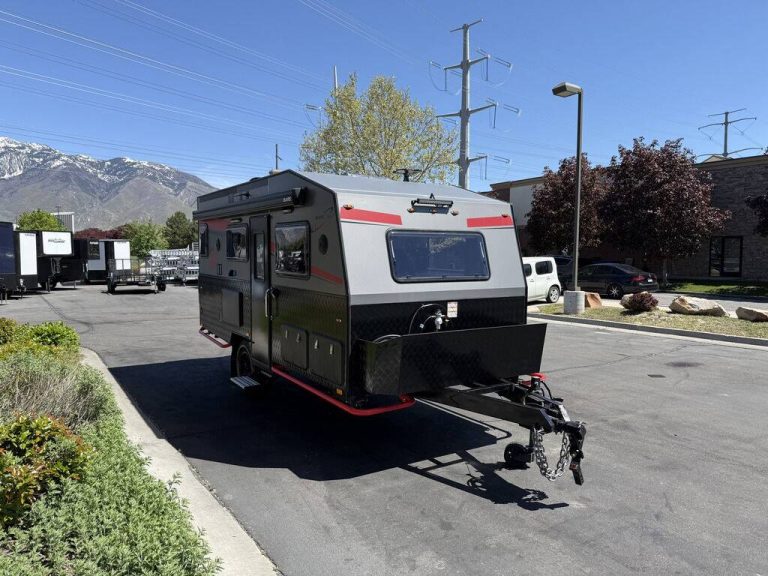
High-wall / hybrid pop up trailers: Combining hard-sided walls with expandable tent sections, these offer additional insulation, storage, and interior space, ideal for multi-day adventures or larger groups.
The primary design philosophy is lightweight towing, small folded footprint for easy storage, rapid setup, and a balance of comfort and portability.
2. Who is it For?
Pop up campers suit a variety of outdoor enthusiasts:
Families with children or multi-generational groups: Offers more protection, comfort, and organization compared to traditional tents, with dedicated sleeping and storage areas.
Weekend or holiday campers: Perfect for occasional travelers who want the benefits of a small camper without the commitment or complexity of a full-sized RV.
First-time campers or budget-conscious travelers: Lightweight, easy to tow, and compatible with most SUVs, crossovers, and light trucks.
Flexible travelers and outdoor adventurers: Ideal for those who want mobility, short-term setups, and access to off-road or remote camping locations without the restrictions of a larger trailer.
3. How to Choose & Set Up a Pop Up Camper — Step-by-Step
Step 1: Assess Towing Capacity & Vehicle Readiness
Before purchasing or using a pop up camper, confirm that your vehicle can safely tow it. Check:
Tow rating: The maximum weight your SUV, crossover, or truck can tow.
GVWR (Gross Vehicle Weight Rating): The maximum allowable weight including trailer, passengers, and cargo.
Tongue weight and payload: The downward force at the hitch and the trailer’s carrying capacity must not exceed vehicle limits.
Step 2: Select Appropriate Camper Type & Size
Choose a camper based on travel style and group size:
Tent-style soft-sided campers are lightweight, easy to store, and simple to set up.
High-wall or hybrid pop up campers provide added durability, insulation, and space for longer trips.
For rougher terrains or extended camping, prioritize trailers with reinforced frames, robust support systems, and durable suspension.
Step 3: Plan Layout vs. Comfort vs. Portability
Decide what is essential:
Minimal camping (sleeping + light cooking) → choose a lightweight, compact setup.
Extra storage, kitchen, or seating → balance comfort with towing weight and folded size.
Step 4: Prepare Setup Process & Campsite Needs
Learn to unfold the camper: deploy support legs, roof poles, and stretch canvas properly.
Install basic amenities: ground cloth, ventilation, mosquito netting, sleeping pads, and storage containers.
Step 5: Ensure Safety & Compatibility
Check brake connection, lights, and tail lamps.
Confirm the integrity of support legs, pins, locks, and safety chains or breakaway systems.
Inspect tires, wheel bearings, and hitch components before every trip.
4. Specs & Safety / Pre-Trip Checklist
Before hitting the road, confirm:
Dry weight / empty camper weight
Payload / GVWR
Tongue weight
Axle & tire load ratings
Hitch compatibility (class)
Pre-trip checklist:
Check tire pressure and tread.
Inspect wheel bearings and axles.
Test lights, turn signals, and brake lights.
Ensure hitch is secure, chains attached, and breakaway cable connected.
Verify support legs are fully stowed or correctly deployed.
5. Packing & Campsite Setup Checklist
Place heavy items low and close to the axle to minimize sway.
Spread ground cloths, moisture barriers, and floor mats for comfort and water protection.
Prepare sleeping areas with moisture-resistant bedding, pads, and insect protection.
Organize essential items: clothing, cooking gear, food, water, lighting, and rain protection.
Ensure proper drainage around the campsite to prevent water pooling.
Maintain ventilation and insect barriers via windows or mesh panels.
Set up basic lighting, including flashlights or camp lanterns.
Keep emergency kits, tools, and rain gear accessible.
Use leveling blocks for uneven terrain.
Maintain campsite order to prevent hazards or tripping.
6. Maintenance & Common Issues
Canvas / Tent Walls: Inspect for tears, worn areas, or water damage. Clean and apply mold or waterproof treatments as needed.
Support Structures & Hinges: Check poles, hinges, and locking mechanisms for corrosion or looseness. Lubricate moving parts regularly.
Axles & Bearings: Monitor bearing temperature and lubrication levels to prevent failure.
Brakes & Electrical: Test connections, brake lights, and any integrated trailer braking system.
Seals & Waterproofing: Inspect doors, windows, and seams. Replace or repair weather seals as needed.
Cleaning & Storage: Dry the camper completely after each trip to prevent mold, odors, and structural damage.
7. Market Snapshot & Global Trends
The global pop up camper market was valued at approximately USD 744.1 million in 2024, with projected growth over the next decade.
North America dominates the market, driven by a strong camping culture, developed road networks, and access to national parks.
Europe and Asia-Pacific regions are growing rapidly due to urbanization, rising disposable income, and younger generations’ interest in outdoor travel.
Market trends include lightweight materials (aluminum and composites), modular and collapsible designs, family-friendly and rental-oriented products, and eco-conscious solutions such as solar-powered or low-energy setups.
8. Typical Configurations / Example Use Cases
Compact Family Weekend Pop-Up: Soft-sided, basic sleeping, simple storage, outdoor stove; ideal for weekend family trips.
Lightweight Compact Camper for Couples/Solo Travelers: Small, easy to tow, and perfect for city access or short-term trips.
Extended Adventure / Multi-Season Pop-Up: Upgraded support, waterproof canvas, leveling supports, basic kitchen, and ventilation for multi-day or multi-season use.
9. FAQ
Q: What is the difference between a pop up camper and a tent or traditional caravan?
A: A pop up camper combines tent portability with a small camper’s comfort and towability, offering a middle ground.
Q: What kind of vehicle do I need to tow a pop up camper?
A: Most compact SUVs, crossovers, and light trucks suffice as long as weight ratings (dry weight, payload, tongue weight) are within vehicle limits.
Q: Is a soft-sided pop up camper durable for frequent use?
A: Yes, with proper maintenance of fabric, structural supports, and seals. Regular inspection is essential.
Q: How often should I maintain or inspect a pop-up camper?
A: Check after every trip and perform seasonal maintenance including bearings, hardware, and waterproofing before long journeys.
Q: Can a pop up camper handle different climates?
A: Many models handle mild to moderate conditions. Ventilation, waterproofing, and optional insulation improve adaptability.
Q: Why are pop up campers popular worldwide?
A: Their affordability, compactness, ease of towing, and flexibility make them ideal for growing outdoor, family, and mobile lifestyle trends.
10. Conclusion
Pop up camper trailers provide a flexible, lightweight, and accessible way for families, couples, and adventurers to explore the outdoors with comfort and mobility. By carefully selecting a camper type, setting it up properly, maintaining it, and packing thoughtfully, you can enjoy years of memorable camping experiences.