Table of Contents
Summary
Camping has become one of the fastest-growing outdoor activities worldwide, and a significant portion of new participants are campers for beginners. More people in the U.S., Europe, and Australia are turning to camping as an affordable, accessible way to reconnect with nature, especially after the global shift toward local travel and outdoor recreation.
For beginners, the biggest challenge is not the destination—it’s knowing how to start camping, what gear to bring, and how to stay safe and comfortable outdoors.
1. What Are Campers for Beginners?
The term campers for beginners refers to individuals who are new to outdoor camping and need step-by-step guidance on:
Choosing camping styles
Understanding essential equipment
Selecting safe campgrounds
Following basic outdoor skills and etiquette
Why Beginner Camping Is Trending Globally
Across North America, Europe, and Australia, camping participation has surged due to:
The rise of local, self-contained travel
Growth in weekend micro-adventures
A cultural shift toward wellness and nature
More families choosing outdoor recreation
Increased interest in budget-friendly travel
New campers also search heavily for practical knowledge—everything from “camping gear list” to “how to set up a tent.”
2. Global Market Overview & Trends
2.1 Growth of Beginner Camping Worldwide
United States: Outdoor participation rates continue to climb, especially among young adults and families seeking accessible adventure.
Europe: Outdoor tourism is rebounding with strong interest in eco-travel and nature walks.
APAC: Countries like Australia and New Zealand have seen a spike in micro-camping, weekend nature trips, and car camping.
2.2 Motivations for New Campers
Affordable alternative to long-distance travel
A safe activity accessible for families
Remote workers exploring flexible lifestyles
Growing wellness trends favoring outdoor living
3. Essential Concepts & Terminology
3.1 Types of Camping for Beginners
Understanding basic camping styles helps beginners choose the right starting point:
Tent camping – Simple, affordable, and popular
Car camping – Sleeping at a drive-in campsite with car access
Cabin camping – A comfortable option requiring less gear
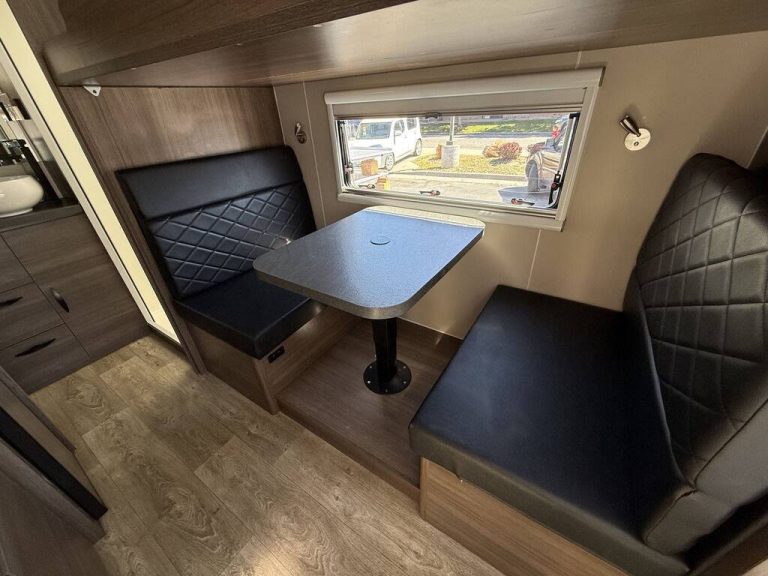
RV camping – Offers more conveniences
3.2 Base Terminology to Know
Campsite / campground / pitch – Where you set up
Fire ring – Safe fire area
Bear box – Food storage box in wildlife zones
Trailhead – Start of a hiking trail
Leave-no-trace – Outdoor ethics principles
Overlanding – Off-grid vehicle-based travel
4. Beginner Camper Tips
4.1 Selecting the Right Camping Style
Choose based on:
Your comfort level
The climate and season
Whether you camp solo, as a couple, or as a family
Facilities available at the campground (water, bathrooms, trails)
4.2 Preparing for Your First Camping Trip
Select a beginner-friendly campground
Read reviews for safety and cleanliness
Check weather forecasts and wind levels
Pack light but include all essentials
Test your tent and stove at home first
5. Camping Gear Checklist for Beginners
Beginners often search for “camping gear list”, so here is a practical breakdown.
5.1 Shelter & Sleeping
Beginner-friendly tent
Sleeping bag with appropriate temperature rating
Sleeping pad or inflatable mattress
5.2 Cooking & Food
Simple camping stove
Cooler for food storage
Easy meal planning: pasta, sandwiches, pre-cut fruits, nuts
5.3 Clothing & Personal Gear
Layering system for temperature control
Comfortable hiking shoes
Headlamp or LED lantern
Quick-dry towel, toiletries, sunscreen
5.4 Safety & Navigation
First aid essentials
Map and GPS basics
Wildlife safety guidelines
Fire safety rules
5.5 Printable Checklist
You may insert a table with categories such as:
Sleeping
Cooking
Clothing
Tools
Safety
6. How to Start Camping for the First Time
6.1 Step-by-Step Beginner Guide
Choose a beginner-friendly destination
Reserve your campsite early
Prepare your gear using a checklist
Test equipment at home
Arrive before sunset
Set up tent and sleeping areas
Follow fire safety rules
Apply leave-no-trace practices
6.2 Beginner Camping Mistakes to Avoid
Overpacking heavy gear
Underestimating nighttime temperatures
Choosing poorly maintained campsites
Arriving too late to set up safely
Improper food storage
Not checking weather changes
7. Practical Use Cases for Beginner Campers
First-Time Family Camping
Simple destinations with bathrooms and playgrounds help children adjust.
Solo Beginner Camper Experience
Great for building skills; choose well-marked campgrounds.
Road Trip + Camping Combo
Perfect for exploring multiple scenic spots in one trip.
Weekend Micro-Adventures
Short, local trips ideal for busy schedules.
8. FAQ
What do I need as a beginner camper?
You need a tent, sleeping bag, pad, stove, food supplies, weather-appropriate clothing, and a simple safety kit.
How do I prepare for my first camping trip?
Practice setting up your tent, choose a safe campground, pack essentials, and check weather before departure.
What mistakes should beginner campers avoid?
Avoid overpacking, poor campsite selection, arriving late, and unsafe food storage.
How do I stay safe camping as a beginner?
Follow campground rules, keep food sealed, manage fires responsibly, and stay aware of weather.
What is the easiest type of camping for beginners?
Car camping and cabin camping are the most accessible, offering comfort and basic facilities.
How do I choose a campsite for the first time?
Look for clean bathrooms, clear parking, level ground, and positive recent reviews.
9. Conclusion + CTA
Camping is one of the most accessible outdoor activities for beginners. With the right tips, gear, and planning approach, campers for beginners can enjoy safe, relaxing outdoor adventures without stress or confusion.
If you want more step-by-step outdoor guides, tutorials, and experience-based tips, visit:
👉 https://www.marsrvs.com/blog