Table of Contents
What Is an Off Road RV Trailer?
Definition
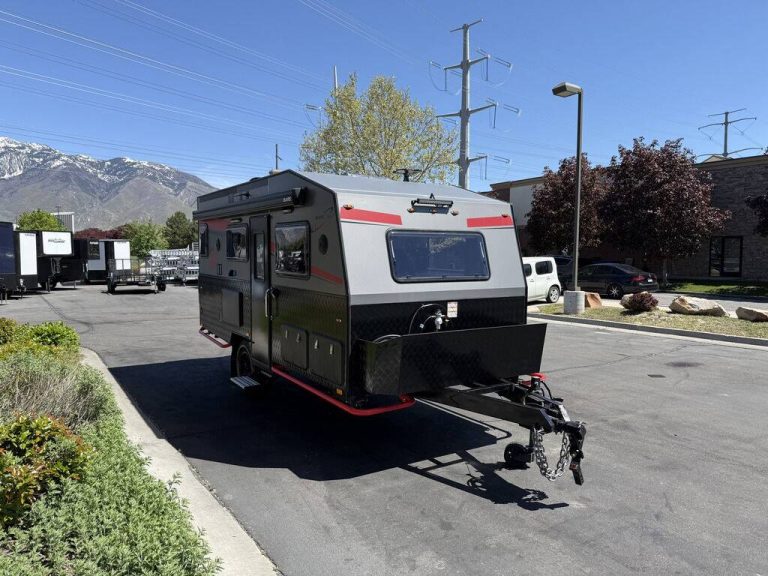
An off road RV trailer is a towable camping trailer specifically engineered for rugged environments such as forest roads, desert trails, mountain terrain, and backcountry routes.
Compared with standard travel trailers, these units are designed with stronger structures and advanced suspension systems that allow them to travel safely on rough terrain. Off-road trailers typically include:
Reinforced frames
Increased ground clearance
Heavy-duty suspension
Off-grid power systems
These upgrades allow travelers to reach remote campsites where traditional RVs cannot go. A typical off-road trailer camper uses stronger construction and terrain-ready components to withstand uneven terrain and harsh outdoor conditions.
Key Differences From Regular RV Trailers
The main differences between a standard travel trailer and the best off road RV trailer include structural durability and terrain capability.
| Feature | Off Road RV Trailer | Standard Travel Trailer |
|---|---|---|
| Suspension | Heavy-duty or independent suspension | Standard leaf spring |
| Ground Clearance | High clearance for rocks and ruts | Low clearance |
| Chassis | Reinforced steel frame | Lightweight frame |
| Power Systems | Solar and battery storage | Shore power focused |
These features enable off-road trailers to travel safely across gravel, sand, and uneven trails.
Why Off Road Camper Trailers Are Growing Globally
Market Trends
Search data shows that overlanding travel and off-grid camping have become major outdoor trends in the United States and globally. Travelers increasingly prefer flexible, self-sufficient travel setups rather than crowded RV parks.
Several factors are driving the popularity of the best off road RV trailer:
The rise of the overlanding lifestyle
Increased interest in national parks and remote destinations
More people working remotely while traveling
Another emerging trend is the combination of off-road trailers with adventure vehicles such as side-by-side UTVs, enabling explorers to set up base camps while exploring surrounding terrain.
Key User Segments
The modern off-road trailer market attracts several types of travelers:
Overlanders
Travelers who explore remote routes for weeks or months.
Outdoor explorers
Weekend adventurers seeking access to remote campsites.
Digital nomads
Remote workers who travel long distances while maintaining connectivity.
Many of these travelers prioritize mobility, off-grid power systems, and compact trailers that can travel far from traditional campgrounds.
Key Features of the Best Off Road RV Trailer
When evaluating the best off road RV trailer, several technical features determine its real-world performance.
Rugged Suspension System
A strong suspension system is essential for off-road travel.
Most off-road trailers include:
Independent suspension systems
Heavy-duty shock absorbers
Flexible axle articulation
These components allow the trailer to absorb impacts and maintain stability on uneven terrain.
High Ground Clearance
Ground clearance determines whether a trailer can pass over rocks, ruts, and steep inclines.
Higher clearance allows:
Better trail navigation
Reduced risk of underbody damage
Improved approach angles
For rugged terrain, higher ground clearance is one of the most important factors.
Off-Grid Power Systems
One of the biggest search trends related to off-road RV trailers is off-grid energy capability.
Most modern off-road trailers include:
Solar panels
Lithium battery banks
Smart energy management systems
These systems allow travelers to run refrigerators, lighting, laptops, and other equipment without relying on campground electricity.
If you’re planning extended remote travel, learning about off-grid camping setups is essential. This guide explains how off-grid adventure trailers are designed for remote travel:
https://www.marsrvs.com/adventure-camper-trailer-guide-for-off-grid-travel.html
Durable Exterior Protection
Off-road travel exposes trailers to rocks, debris, and harsh weather.
Protective features may include:
Rock guards
Reinforced body panels
Off-road tires
Protective skid plates
These elements help protect the trailer from impact damage during long journeys.
Interior Designed for Off-Road Travel
Inside the trailer, components must remain secure even during rough travel.
Typical features include:
Vibration-resistant cabinets
Secure storage compartments
Compact, space-efficient layouts
These designs prevent equipment damage while driving on rough terrain.
Lightweight Off Road RV Trailer: Why Weight Matters
Many travelers prefer lightweight models because they provide a better balance between capability and towing convenience.
Benefits of Lightweight Trailers
Lightweight trailers provide several advantages:
Easier towing for mid-size trucks or SUVs
Reduced fuel consumption
Better maneuverability on narrow trails
Because of these benefits, lightweight off-road trailers have become one of the fastest-growing segments of the RV market.
Ideal Use Cases
Lightweight off-road trailers are perfect for:
Weekend camping trips
Long overlanding journeys
National park exploration
Remote photography trips
They provide enough comfort while remaining compact enough for rugged travel.
How to Choose the Best Off Road RV Trailer
Choosing the best off road RV trailer requires evaluating several key factors.
Step 1 — Check Towing Capacity
Always confirm that your tow vehicle can safely handle the trailer weight.
Step 2 — Evaluate Terrain Capability
Consider where you plan to travel:
Forest trails
Desert terrain
Mountain roads
Different environments require different trailer capabilities.
Step 3 — Analyze Off-Grid Systems
Look for trailers equipped with:
Solar charging systems
Battery storage
Water tanks for extended travel
Step 4 — Consider Sleeping Capacity
Choose a layout that matches your travel group size and comfort needs.
Step 5 — Review Durability and Materials
Durable materials and reinforced frames help ensure long-term reliability in harsh environments.
How to Use an Off Road RV Trailer for Overlanding
Once you have chosen a trailer, proper setup and preparation are essential for safe travel.
Pre-Trip Preparation
Before every trip:
Inspect tires and suspension
Check battery and solar systems
Secure all equipment
Off-Road Driving Tips
When towing a trailer off-road:
Drive at slower speeds
Reduce tire pressure on loose terrain
Use a spotter in technical areas
These techniques help prevent trailer damage and improve safety.
Camp Setup Process
Once you reach your campsite:
Level the trailer
Deploy stabilizers
Activate power systems
This setup process allows you to quickly establish a comfortable basecamp.
Common Terms in Off Road RV Trailers
| Term | Definition |
|---|---|
| Overlanding | Long-distance off-road travel |
| Ground Clearance | Distance between the trailer and terrain |
| Articulation | Suspension flexibility on uneven ground |
| Off-Grid | Camping without external utilities |
Understanding these terms helps travelers evaluate trailers more effectively.
Common Problems and Solutions
Problem: Limited Power Supply
Extended trips require reliable power systems.
Solution:
Use solar panels combined with lithium battery storage.
Problem: Trailer Damage on Rough Terrain
Rocks and uneven terrain can damage trailers.
Solution:
Choose reinforced frames and protective skid plates.
FAQ
What is the best off road RV trailer for overlanding?
The best off road RV trailer typically includes independent suspension, high ground clearance, reinforced construction, and off-grid power systems.
Can you take an RV trailer off road?
Yes, but only trailers specifically designed for off-road environments should be used on rough terrain.
What size off road camper trailer is best?
Compact and lightweight trailers are often easier to tow and maneuver in rugged environments.
Are off road RV trailers good for off-grid camping?
Yes. Most off-road trailers include solar power systems, water storage, and battery systems that support remote camping.
Conclusion
The best off road RV trailer allows travelers to go far beyond traditional campgrounds and explore remote landscapes with comfort and reliability.
When choosing an off-road trailer, focus on the features that truly matter:
Strong suspension systems
High ground clearance
Off-grid power capability
Lightweight and durable construction
As overlanding and remote travel continue to grow in popularity, off-road RV trailers will remain one of the most versatile solutions for modern outdoor adventure.
Whether you’re planning weekend camping trips or long overland expeditions, the right off-road trailer can transform the way you explore the outdoors.