Table of Contents
1. Introduction
What is a cold weather off-road camper trailer?
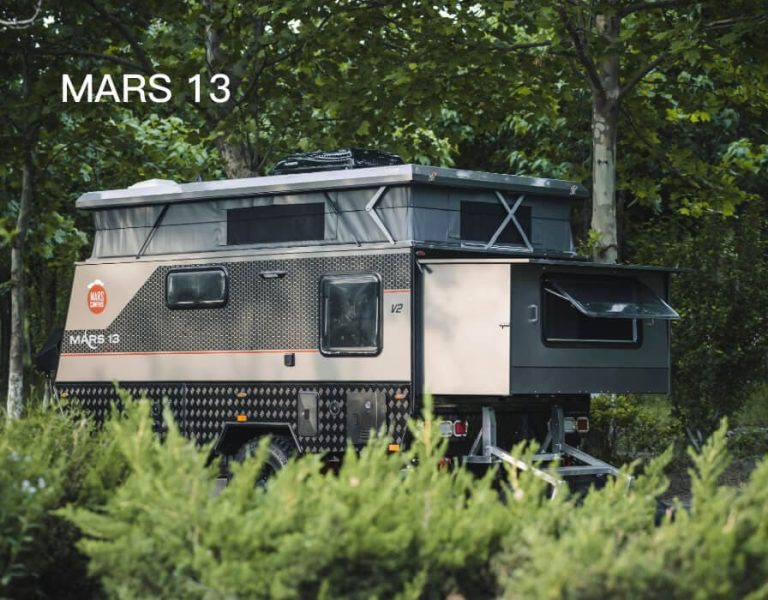
A cold weather off-road camper trailer is a four-season, insulated, off-grid-ready camping trailer engineered to perform in snow, sub-zero temperatures, icy terrain, and long-distance winter overlanding. Compared to standard travel trailers, these models use high-grade insulation, thermally protected plumbing, diesel heating systems, and rugged chassis designs to ensure safe and comfortable winter camping anywhere in the world.
Why They Matter in the 2025 Global Overlanding Market
Several global trends are driving demand for true cold-weather camper trailers:
Growing winter outdoor recreation: Snow camping, winter overlanding, and alpine travel are increasing rapidly.
Rise of remote and off-grid lifestyles: More travelers choose year-round mobility.
Unpredictable climate patterns: Harsh winters and extreme temperatures boost interest in 4-season rigs.
Expansion of global overland travel routes: Arctic highways, Nordic wilderness, and high-elevation trails all demand better winter-ready equipment.
2. Global Market Trends for Cold-Weather Off-Road Campers
2.1 Countries & Regions with the Highest Demand
North America (U.S. & Canada)
North America leads the global overlanding market. Demand is especially strong in northern states and all Canadian provinces, where winter temperatures often reach −20°C to −40°C. Buyers typically prioritize:
Diesel heaters for sub-zero reliability
Lithium battery banks with low-temperature protection
Heavy-duty suspension and high ground clearance
Northern Europe (Nordic Region, Germany, U.K.)
Scandinavia has the world’s strictest winter RV standards. Average users expect:
Double or triple-glazed windows
Fully insulated underbodies
Diesel or wood-stove heating options
Snow-load rated roofs
Winters can reach −30°C, making 4-season capability essential.
Australia & New Zealand
While known for warm climates, the alpine regions of Australia and New Zealand have booming winter camping segments. Mixed-climate off-road trailers must withstand:
Rapid temperature swings
Snowy mountain passes
Corrugated outback roads
China (新疆 / 西藏 / 黑龙江)
China’s winter overlanding market has grown sharply over the past three years. High altitude areas such as Xinjiang and Tibet bring unique requirements:
Extreme cold and wind exposure
High elevation reducing heater output
Insulated tanks and closed-cell foam walls becoming standard
2.2 Consumer Motivations
Across global markets, buyers tend to prioritize:
Ability to camp year-round, not just in summer
Long-term off-grid boondocking capabilities
Survival and exploration travel
Rugged durability and insulation reliability
Digital nomad lifestyles, turning trailers into 4-season mobile micro-homes
2.3 Market Insights
Global CAGR for 4-season off-road trailers: 8–11%
Diesel heater adoption: 60%+ of all winter-ready units
Lithium + solar upgrades: chosen by 70% of off-grid users
Global winter camping gear growth: 20–40% annually
These numbers highlight a strong, sustained shift toward winter overlanding worldwide.
3. Key Features of a Cold Weather Off-Road Camper Trailer
3.1 Insulation System (Thermal Performance)
High-quality insulation is the foundation of a winter-ready trailer. The most effective setups include:
XPS or closed-cell foam walls for stable R-values
Composite insulated roof panels to reduce heat loss
Thermally broken aluminum frames to eliminate cold bridging
Double or triple glazed windows for condensation control
Fully insulated underbelly with sealed skirting
Heated water tanks and protected plumbing
3.2 Heating Systems (Staying Warm in Sub-Zero Climates)
A reliable heater determines whether a trailer can truly operate at −20°C or below.
Common Heating Options:
Diesel Heater – Most stable, fuel-efficient, and altitude-friendly
Propane Furnace – Good for short trips or moderate cold
Wood Stove – Popular in Nordic countries; great for condensation control
Electric Heater – Only practical with shore power or large lithium systems
Heated Floors – Premium feature in high-end trailers
BTU Calculator Tip:
Ensure heater output aligns with internal trailer volume + insulation rating. Underpowered heaters are a common issue in budget models.
3.3 Off-Road Capabilities (Built for Rough, Frozen Terrain)
Cold weather and rugged terrain often appear together. Look for:
Independent suspension for stability on icy, uneven surfaces
Heavy-duty chassis (3–5mm reinforced steel)
16–18 inch all-terrain tires designed for snow/ice
High ground clearance for snow buildup
Off-road articulation hitch
Winterized plumbing routing to avoid exposure to wind-chill
3.4 Off-Grid Power & Water Systems
Winter off-grid camping puts extra strain on power systems.
Recommended setups:
Solar: 300–800W (winter efficiency typically 20–40%)
Lithium batteries: 200–600Ah with low-temp cutoff protection
Smart BMS to prevent charging below freezing
Dual-fuel cooking setups (LPG + diesel for redundancy)
Water filtration and frost protection for icy sites
4. How to Choose a Cold Weather Off-Road Camper Trailer
Step 1: Identify Your Winter Environment
−10°C (Light Winter): Basic insulation, standard windows
−20°C (Heavy Snow): Mid-level insulation + double glazing
−30°C to −40°C (Extreme): Premium insulation, diesel heater, heated tanks
Step 2: Check Insulation Quality
Are wall/roof R-values clearly stated?
Is the floor insulated and heated?
Is plumbing inside a warm utility corridor?
Are windows double or triple paned?
Step 3: Evaluate Off-Road Structure
Reinforced 3–5mm steel chassis
Independent suspension
Anti-freeze brake systems
Adjustable articulating hitch
Step 4: Choose the Right Heating System
Diesel: Best all-round performer
Propane: Cheaper short-distance option
Electric: Limited to powered campsites
Wood: Niche but effective for dry heat
Key rule: Match BTU to trailer volume.
Step 5: Evaluate Real Cold-Weather Usability
Ask these questions:
Can the roof handle heavy snow accumulation?
Do windows fog or frost?
Are storage areas prone to cold spots?
Are there verified owner reviews from −20°C or below?
5. Cold-Weather Packing List (Essential Items)
Bring these items for safe winter overland travel:
Traction boards
Snow shovel
Backup diesel heater
Insulated hoses
Anti-freeze for tanks
−20°C rated sleeping bags
Extra diesel/propane
Ice scraper
Tire chains
6. Real Cases & Field Data
6.1 Canada Winter Overlanding Case (−25°C)
Recommended insulation: R12 or higher
Average diesel heater consumption: 1 L/h
Winter solar output: 20–40% efficiency
Common issues: frozen pipes, lithium battery degradation
6.2 Nordic Winter Camping Case
Northern Europe offers some of the most demanding winter conditions. Typical requirements:
Double glazing is the minimum standard
Plumbing often uses 12V heating pads
Roofs must be reinforced for snow load
Diesel heaters dominate the market
7. Glossary
4-Season Trailer: A camper designed for use in all weather conditions year-round.
Thermal Bridge: A weak point where heat escapes through metal or structural components.
R-Value: A measure of insulation efficiency. Higher = better.
Boondocking: Off-grid camping without hookups.
8. FAQ
Q1: How cold can a 4-season off-road camper handle?
Most can sustain −15°C to −30°C. Extreme models withstand below −40°C.
Q2: What heater is best for winter off-road camping?
A diesel heater offers the most reliable performance in harsh sub-zero temperatures.
Q3: How do I prevent freezing pipes?
Use heated tanks, insulated hoses, heat tape, and keep plumbing routed through interior warm zones.
Q4: Is solar effective in winter?
Yes, but expect 20–40% output, depending on latitude and weather conditions.
9. Conclusion
A cold weather off-road camper trailer opens the door to true year-round adventure—from snowy mountain passes to Arctic-style remote wilderness. With the right combination of insulation, heating systems, rugged chassis engineering, and off-grid power setup, these trailers provide unmatched comfort and safety in extreme climates. As winter overlanding grows globally, understanding your environment, evaluating real insulation performance, and choosing dependable heating systems will ensure you travel confidently and comfortably in the coldest conditions.