Table of Contents
Introduction: What “4×4 Off‑Road” Really Means
When people search for best 4×4 off‑road vehicles and gear, they’re often looking for the answers to one question: How can I go farther, tougher, and more confidently off‑pavement? At its core, “4×4 off‑road” refers to vehicles equipped with four‑wheel drive systems that distribute power to all four wheels simultaneously — improving traction, control, and mobility across uneven, slippery, or rugged terrain.
A true off‑road 4×4 doesn’t just have a label — it combines ground clearance, drivetrain design, low‑range gearing, traction features, and suspension geometry with the driver’s intention to explore beyond paved roads.
Global Off‑Road Trends & Why It Matters
Across the U.S. and global markets, 4×4 SUVs consistently outpace other segments in search interest — particularly during winter months or around outdoor planning periods like December, indicating that consumers research 4×4 capability heavily ahead of off‑season adventures.
Hybrid and electric 4×4 vehicles are also rising fast as enthusiasts prioritize sustainability and efficiency without sacrificing capability. Electrified off‑road powertrains are featured increasingly in top lists, merging rugged performance with modern tech.
Understanding these trends helps frame what “best” means: it’s not just power or toughness — it’s capability aligned with real world use, seasonal planning, and long‑term adaptability.
Best 4×4 Off‑Road Vehicles for Trail Riding
Choosing the best 4×4 off‑road vehicles for trail riding begins with understanding how terrain, clearance, weight, and power interact.
How to Choose: Key Criteria
To compare contender vehicles, focus on these fundamentals:
Terrain Capability: Rock faces, mud, sand — different terrains demand different features.
Ground Clearance: Higher clearance reduces bottoming and facilitates obstacle traversal.
Weight & Power: Less weight and strong torque improve acceleration through tough sections.
Low‑Range & Lockers: Gearing and differential locks allow precise control and traction at low speeds.
These criteria guide what makes a vehicle genuinely “off‑road capable”.
Top Use‑Case Categories
Rock Crawling
Rock crawling is an extreme form of off‑road driving over very challenging obstacles. It demands slow‑speed control, high torque, and exceptional traction. Vehicles commonly used include Jeeps, Toyota Land Cruisers, and Mercedes G‑Class variants, thanks to specialized gearing and robust suspension design.
Mud & Sand Trails
Mud and sand require long‑travel traction and smart tire choice. Wide all‑terrain tires with self‑sealing features help prevent getting bogged down. Low‑speed torque and a capable 4WD system make the difference between being stuck and continuing your journey.
Forest/Trail Overlanding
Overlanding blends trail riding with self‑sufficient travel. Vehicles here balance power with cargo space for gear, water, and camping setups — an ideal use case for durable 4×4 SUVs and pickup platforms.
Common Capabilities Explained
To understand “best 4×4 off‑road” vehicles, a few technical terms become crucial:
Approach Angle: How steep a wall the vehicle can climb before the bumper hits.
Breakover Angle: Determines how sharply the chassis can clear humps.
Departure Angle: How steep a decline you can exit without bottoming.
Lockers: Mechanisms that lock wheels together for maximum traction.
All these features interplay to define trail performance.
Best 4×4 Off‑Road Camping Setups
Essentials for Overnight & Long‑Distance Off‑Road Travel
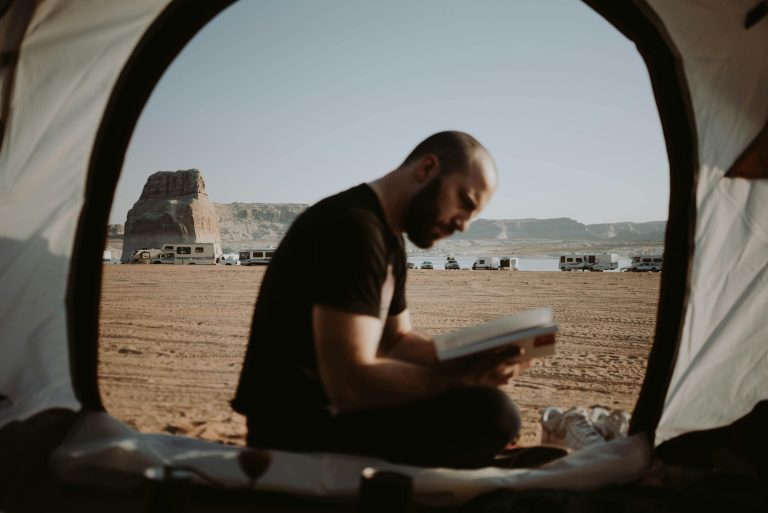
Planning off‑road camping requires more than a capable 4×4 — you need setups designed for comfort and survival:
Roof Tents and Sleeping Systems: Modular setups allow fast deployment and secure sleep above ground.
Water & Food Storage: Secure systems maintain provisions without spillage.
Lighting & Power: LED lighting systems and auxiliary power support night activities and charging.
Market trends indicate that roof tents and recovery gear have grown in popularity as overlanding and remote camping surge.
Visiting Eco/Protected Areas (Rules & Best Practices)
When heading off‑road into eco zones, local rules often require staying on designated trails, minimal environmental impact, and animal safety adherence. Understanding these rules preserves nature and keeps access open.
Modular vs Purpose‑Built Setups
Modular Setups: Attachments like removable racks, tents, and cargo drawers flex with needs.
Purpose‑Built Setups: Custom‑designed for specific journeys or environments.
Both have merits — modular for flexibility, purpose‑built for optimized tasks.
Best 4×4 Off‑Road Recovery Techniques
Even the best 4×4 off‑road vehicles can get stuck — that’s where recovery techniques shine.
Step‑by‑Step Recovery Procedures
Recovery begins with assessment:
Stop and Evaluate: Identify terrain, wheel spin risk, and vehicle posture.
Clear Obstacles: Remove debris or use boards to create traction.
Use Winch or Traction Tools: Safely pull out by applying one tool at a time.
Winching Basics & Safety
Winching can be intimidating but is essential in mud, sand, or steep inclines. Always anchor to a stable point (tree, rock) and use gloves and protective gear to avoid snapback injuries.
Traction Boards, Hi‑Lift Jacks & Snatch Straps
Traction boards like ActionTrax enhance grip on sand, snow, or mud by acting as a temporary surface underneath tires, enabling vehicles to emerge from sticky spots.
Snatch straps store kinetic energy during pull attempts, aiding stuck vehicles without winches, while hi‑lift jacks elevate to reset tire placement.
These are essential additions to any best 4×4 off‑road recovery kit.
Best 4×4 Off‑Road Accessories Guide
To maximize your capability on the trail, these upgrades and accessories are now widely adopted:
Lighting Systems
High‑output LED systems illuminate trails during night sections. With trends showing 80%+ adoption in aftermarket installs, lighting ranks among the most upgraded components.
Suspension Upgrades
Suspension mods improve control, articulation, and load capacity — essential for tackling uneven ground and loaded rigs.
Protection & Armor
Skid plates, rock sliders, and underbody armor protect vital components from impact — a must for rugged off‑road environments.
Case Studies / Data / Statistics
Global Off‑Road Use Cases by Region
Off‑road use varies by geography — desert dunes in the southwest, rock gardens in the Rockies, mud bogs in the southeast — each shaping vehicle choice and skills.
Accident & Recovery Rates (Non‑Brand Specific)
Recovery gear installation rates (like winches) rose nearly 30% in recent years, reflecting increased preparedness among enthusiasts.
Comparative Terrain Performance Insights
Vehicles with advanced traction systems and adjustable suspension tend to perform best across mixed terrain — a valuable insight when choosing your next 4×4.
How to Plan an Off‑Road Trip
Pre‑Trip Checklists
Inspect vehicle fluids & tire pressures.
Secure tools and recovery gear.
Map route and alternate exits.
Weather & Terrain Assessment
Before hitting trails, check forecasts and expected trail conditions; some seasonal weather can drastically alter difficulty (e.g., rain increasing mud depth).
Navigation & Communication Practices
GPS trackers and offline maps help keep you safe beyond cell coverage. Regular check‑ins and planned arrival times add safety.
FAQs
What makes a vehicle “best” for off‑road?
A balance of traction systems, ground clearance, durability, and adaptability to multiple terrains.
Can stock 4×4 handle serious obstacles?
Some can, but most benefit from targeted upgrades and recovery solutions.
How to camp safely off‑grid?
Secure essentials: water, shelter, navigation, and know environmental regulations.
How to avoid common off‑road mistakes?
Plan ahead, understand your vehicle limits, and bring proper recovery gear.
Conclusion & Next Steps
Summary of Key Takeaways
Best 4×4 off‑road capability blends vehicle choice, preparation, recovery readiness, and smart gear decisions. The trends toward SUVs, electrification, and community gear adoption underscore how the off‑road world is evolving.
Recommended Learning & Practice Paths
Regular trail days, recovery clinics, and gear reviews will deepen confidence and ability — expanding your range of adventure.