Table of Contents
What Is a 4WD Motorhome?
Definition of a 4WD Motorhome
A 4WD motorhome is a self-contained recreational vehicle equipped with a four-wheel-drive system that delivers power to all four wheels simultaneously. Unlike standard RVs that rely on two-wheel drive, a 4WD motorhome is engineered for traction, stability, and control across unpredictable terrain.
At its core, a 4WD motorhome combines two essential systems:
- All-wheel power distribution — allowing the vehicle to maintain grip on sand, snow, mud, and rocky trails
- Integrated living systems — including a bed, kitchen, water storage, and electrical systems for off-grid living
This dual-purpose design makes the 4WD motorhome one of the most versatile options for travelers who want both mobility and independence.
From a performance standpoint, 4WD systems significantly improve traction and terrain control. When driving through loose surfaces like desert sand or snow-covered mountain roads, distributing power evenly prevents wheel slip and helps maintain forward momentum—something traditional RVs struggle with.
In practical terms, this means a 4WD motorhome can reach places that standard motorhomes simply cannot.
4WD Motorhome vs Campervan
Understanding the difference between a 4WD motorhome and a campervan is essential, especially for U.S. buyers comparing options.
Size and Space
- A 4WD motorhome typically offers more interior space, including full kitchens, larger sleeping areas, and onboard water systems
- Campervans are more compact, often sacrificing space for maneuverability
Off-Road Capability
- A true 4WD motorhome is built for rugged terrain with reinforced suspension, higher clearance, and drivetrain systems
- Many campervans are either 2WD or AWD, limiting their performance in extreme environments
Daily Driving vs Expedition Use
- Campervans are easier for urban driving and daily commuting
- A 4WD motorhome is purpose-built for long-distance travel and remote exploration
For travelers prioritizing comfort and off-road access, the 4WD motorhome stands out as the more capable solution.
Why 4WD Motorhomes Are Popular in the USA
Growth of Overlanding Culture
The rise of overlanding in the United States has dramatically increased demand for 4WD motorhome setups. Overlanding focuses on self-reliant travel to remote destinations, often using backcountry routes and undeveloped land.
The U.S. offers a unique environment for this lifestyle:
- Vast networks of public land, including Bureau of Land Management (BLM) areas
- Thousands of miles of forest service roads
- Iconic destinations like Utah deserts, Colorado mountains, and Alaska wilderness
As interest in remote travel grows, more people are moving away from crowded campgrounds and toward off-grid experiences.
Key Benefits for US Travelers
Off-Grid Camping
A 4WD motorhome allows travelers to camp without relying on hookups or developed campgrounds. This aligns with the increasing demand for boondocking and dispersed camping in the U.S.
Remote Access
From desert trails in Arizona to forest roads in Montana, a 4WD motorhome can access areas that are completely unreachable for traditional RVs.
All-Terrain Versatility
Whether you’re crossing muddy trails after rain or navigating snowy passes, a 4WD motorhome adapts to changing conditions with ease.
This flexibility is one of the biggest reasons travelers are upgrading from standard RVs to more capable platforms.
Key Benefits of a 4WD Motorhome
Off-Road Capability
The defining feature of any 4WD motorhome is its ability to handle diverse terrain, including:
- Sand dunes
- Snow-covered roads
- Mud trails
- Rocky backcountry routes
Unlike conventional RVs, which are limited to paved or well-maintained roads, a 4WD motorhome thrives in environments where traction is constantly changing.
Higher Ground Clearance
Another major advantage is increased ground clearance. This reduces the risk of:
- Undercarriage damage
- Getting stuck on uneven terrain
- Scraping over rocks or steep inclines
Combined with reinforced suspension systems, this makes a 4WD motorhome far more durable for long-term travel.
Freedom & Flexibility
Owning a 4WD motorhome fundamentally changes how you travel.
Instead of planning routes around campgrounds, you can:
- Choose remote campsites
- Avoid crowded tourist areas
- Stay longer in natural environments
This level of freedom is often what draws people into full-time RV lifestyles, as explored in this full-time RV living guide.
How to Choose a 4WD Motorhome (Step-by-Step)
Step 1 – Define Your Travel Style
Start by identifying how you plan to use your 4WD motorhome:
- Weekend trips vs full-time travel
- Solo travel vs family use
- Remote wilderness vs national parks
Your travel style determines everything from size to interior layout.
Step 2 – Check Drivetrain & Chassis
Not all “4WD” systems are created equal.
A true 4WD motorhome should include:
- A low-range transfer case
- Locking differentials (in some models)
- A reinforced chassis built for off-road stress
Without these features, performance in extreme conditions may be limited.
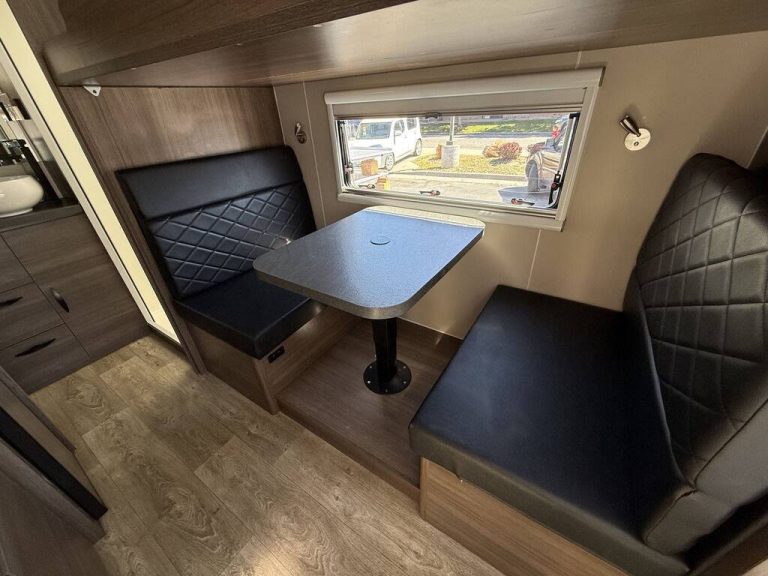
Step 3 – Evaluate Interior Needs
Your motorhome should support your lifestyle off-grid.
Key systems to evaluate:
- Water storage and filtration
- Battery and solar capacity
- Kitchen and cooking setup
- Sleeping configuration
Step 4 – Consider Terrain in the US
Different regions require different capabilities:
- Desert (Arizona, Nevada) — prioritize cooling systems and sand traction
- Mountains (Colorado, Utah) — focus on torque, braking, and stability
- Forests (Pacific Northwest) — consider wet terrain handling
Matching your 4WD motorhome to your environment is critical for safety and performance.
4WD Motorhome vs 2WD: Is It Worth It?
Pros
- Superior traction in all conditions
- Increased safety on unstable surfaces
- Access to remote destinations
- Greater travel flexibility
Cons
- More complex drivetrain systems
- Higher maintenance requirements
- Heavier vehicle weight
Despite these trade-offs, for travelers focused on off-road exploration, the benefits of a 4WD motorhome typically outweigh the downsides.
Common Use Cases in the US
A 4WD motorhome is not just for extreme adventurers—it supports a wide range of lifestyles:
Overlanding Trips
Extended journeys across remote regions with self-sufficient setups
National Park Travel
Access less crowded areas outside main tourist zones
Van Life / Digital Nomads
Work remotely while living on the road
Mars 4WD Motorhome: Designed for American Adventures
Mars Design Philosophy
Mars focuses on combining rugged durability with practical comfort.
Instead of overcomplicating designs, the emphasis is on:
- Reliability in extreme conditions
- Efficient use of space
- Real-world usability for long trips
Built for US Terrain
Mars products are engineered with the U.S. landscape in mind:
- Long-distance travel capability
- Adaptability to varied climates
- Durability for off-road conditions
Ideal Users
A 4WD motorhome from Mars is best suited for:
- Adventure travelers seeking remote destinations
- Families wanting flexible travel options
- Remote workers embracing mobile lifestyles
FAQs About 4WD Motorhomes
What is the difference between AWD and 4WD motorhome?
AWD systems operate automatically and are designed for general road conditions.
4WD systems are more robust, allowing manual control and better performance in extreme terrain.
Is a 4WD motorhome worth it in the US?
Yes—especially if you plan to explore beyond highways and campgrounds. The U.S. offers vast areas where 4WD capability is essential.
Can beginners drive a 4WD motorhome?
Yes, but it requires practice. Understanding vehicle size, braking distance, and off-road handling is important before taking longer trips.
Where can you use a 4WD motorhome in the USA?
You can use a 4WD motorhome on:
- BLM land
- National forests
- Backcountry trails
- Remote camping areas
Always check local regulations before traveling.
Conclusion
A 4WD motorhome represents more than just a vehicle—it’s a gateway to a different way of traveling. It allows you to go beyond paved roads, avoid crowded spaces, and experience the outdoors on your own terms.
For U.S. travelers increasingly drawn to off-grid living, overlanding, and flexible lifestyles, the 4WD motorhome is becoming the preferred choice.
With a focus on durability, adaptability, and real-world usability, Mars continues to align its designs with how modern adventurers actually travel—far beyond the limits of traditional RVs.